Emergency Plumbing in Tacoma & Pierce County 24/7 Human Support Free Second Opinion Quality Plumbing Services
Emergency Plumbing in Tacoma & Pierce County 24/7 Human Support Free Second Opinion Quality Plumbing Services
Emergency Plumbing in Tacoma & Pierce County 24/7 Human Support Free Second Opinion Quality Plumbing Services
Emergency Plumbing in Tacoma & Pierce County 24/7 Human Support Free Second Opinion Quality Plumbing Services

Text Us: 253-231-7015
Text Us: 253-231-7015
Call Us: 253-231-7015
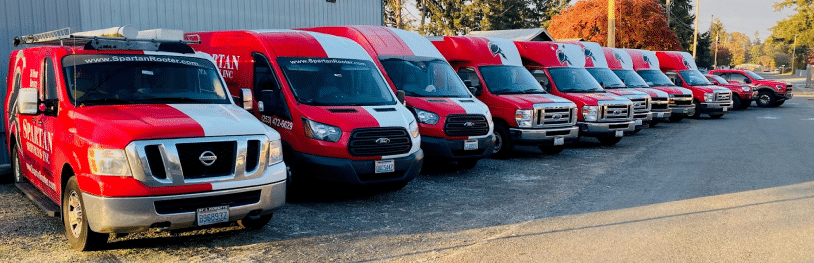

When a commercial hot water tank quits, the building finds out fast. Restrooms go cold, a kitchen stops, and a janitorial crew that works after close discovers it at eleven at night with nobody to call. Commercial hot water tank repair in South Hill rarely arrives at a convenient hour, and at Spartan Plumbing Inc., we have repaired and replaced commercial tank water heaters across Pierce County since 1958.
We test before recommending anything, because a thermostat, an element, a gas valve, or an anode rod is often the whole problem on a unit with years of service left. Every job comes with an upfront written estimate, licensed and insured crews, 24/7 emergency response, and a free second opinion on any water heater quote you already hold.
Our team tells you plainly which side of the repair-or-replace line your unit sits on and why, then completes the work to code with the Pierce County permit it requires. You get the reasoning behind the recommendation, not just the number at the bottom of it.
Minerals settle to the bottom of a commercial tank and form a layer between the heat source and the water. The unit then runs longer to reach the same temperature, which costs efficiency and shortens the tank’s life.
The popping or rumbling staff describe is water boiling underneath that sediment. It is the most common underlying cause we find, and it is preventable.
The anode rod is sacrificial: it corrodes so the tank wall does not. Once it is consumed, the tank itself begins corroding from the inside.
That is the failure that ends with water on a floor rather than a repair order, and checking the rod is one of the cheapest things a property can do.
Retail and mixed-use space turns over, and equipment usually does not turn over with it. A tank specified for the last tenant frequently cannot carry the current one’s peak.
The unit is working exactly as designed. It is simply the wrong unit for the building’s present demand.
Commercial tanks are often installed where a failure does the most damage: adjacent to finished space, above a tenant, or in a room with a drain nobody has tested. A tank holds its full volume right up until it does not, and then it releases that volume wherever it happens to be standing.
Pan placement, drain routing, and shut-off access decide whether a tank failure is a plumbing bill or an insurance claim. Those three decisions get made at install time and almost never get revisited.
An annual flush and a periodic anode check are inexpensive and they materially extend equipment life, but in most commercial buildings nobody owns them and no record says when either last happened.
The absence of a schedule is the actual problem. The equipment is just where it surfaces, usually as a replacement several years earlier than the tank needed one.
A tank that empties and then makes everyone wait is a constraint on the business, not merely an inconvenience.
In a food-service or janitorial context that wait is unproductive time, repeated daily, and it is worth measuring rather than tolerating.
Every job runs the same way. We look at the system, tell you plainly what we found, put the estimate in writing before we start, and finish to code.
Pressurized water cuts grease, scale, and debris out of commercial drain lines, and a paired high-definition camera run shows the inside of the pipe before and after, so the result is on record rather than guessed at.
Cured-in-place lining rebuilds a failed or cracked sewer line through small access points, sparing parking lots, landscaping, and flooring. Where the line is too far gone, we replace it outright with as little disruption as the site allows.
Commercial tankless installation and repair for operations that need hot water on tap all day. On-demand units drop the standby energy a tank wastes and remove the recovery wait between draws.
Full commercial repiping for buildings running corroded, undersized, or out-of-spec supply lines. We pull the failing system and put in modern materials rated to carry the building’s demand for decades.
Tenant-improvement plumbing, fixture and appliance hookups, supply-line repairs, and full system upgrades. New space or existing, we take it from first cut to final connection.
Repair and replacement of broken downspouts that carry water off your foundation, plus sump pump fixes and primary or backup pump installs that keep below-grade space dry through a storm.
Diagnosis, repair, and full replacement for commercial tank heaters across every major brand and size, getting the hot water back on quickly so the operation keeps moving.
Scheduled and emergency work on pinholes, burst lines, and freeze damage anywhere in the building. We pin the source down first so the wall or floor only opens where it has to.
Motorized cabling and hydro-jetting on floor drains, floor sinks, mop sinks, kitchen lines, and main sewers. We clear the full length of the line rather than punching a single hole through the clog and leaving the rest in place.
Full support across tank, tankless, and heat pump units, including scheduled maintenance plans that stretch equipment life and head off the surprise failures.
Complete plumbing for commercial kitchens, restroom renovations, tenant improvements, and whole-facility remodels, coordinated with your contractor or property manager to hold the schedule and the budget.
Heat pump water heater installation and repair for operations chasing lower utility costs, since these units draw far less power than standard resistance heating, which is where the savings come from.
Scheduled and emergency cleaning for every commercial drain type, from grease traps to floor drains to the main building sewer, stopping the backups and floods that shut a business down before they start.
Video inspection of commercial sewer lines to locate root intrusion, collapse, offset joints, and blockages, giving you a clear read on the system before you commit to any repair or replacement.
The everyday commercial list handled by one licensed team: valves, fixtures, backflow devices, supply lines, and the small repairs that sit on a punch list until they turn into an after-hours call.
Water at the base means the tank itself is failing, and a failing tank is not a repairable condition.
This one moves to the top of the list immediately, because the next stage is not a slow drip.
A shrinking usable volume usually means sediment has taken up space and insulated the heat source.
Caught early it is a flush. Left alone it becomes a replacement.
That sound is water boiling under a sediment layer. It is the unit telling you the flush is overdue.
Ignoring it does not make it quieter, it makes the tank shorter-lived.
Discoloration on the hot side alone points at the tank interior and a spent anode rod.
It is a straightforward check, and it is far better done before the corrosion reaches the tank wall.
A temperature and pressure relief valve discharging is a safety device doing its job, which means something upstream is wrong.
That is not something to cap, adjust, or ignore. It needs diagnosing.
Equipment running past its rated life in a commercial building is a deferred cost with an unpredictable due date.
Planning the replacement is how the timing stays yours.
Most buildings arrive at this the same way, and it is worth naming plainly rather than pretending every call starts from scratch.
We do not default to replacement. A thermostat, element, gas valve, thermocouple, or anode rod is frequently the whole problem. We test first and show you the reasoning behind whichever answer applies.
A replacement is the one moment when correcting an undersized tank costs almost nothing extra. We size to the building’s real peak-hour demand rather than matching the nameplate that was there.
South Hill is unincorporated, so the permit routes through Pierce County. Washington code sets requirements for seismic strapping, expansion control, venting, and the relief discharge line, and we finish so it passes.
A tank that lets go over finished space is a restoration claim, not a plumbing bill. During any install we look at pan, drain, and shut-off placement and tell you plainly where the exposure sits.
Most commercial tanks fail early because the annual flush and the anode check belong to nobody in particular, not because the equipment was poor to begin with. We set the interval against how hard the unit works, note what was done and what the anode looked like when it came out, and leave a record the next person on site can act on. That turns a tank from something that fails on its own schedule into something you replace on yours.
South Hill business owners and property managers choose us for licensed professionals, upfront pricing with no hidden fees, code-compliant work that passes inspection, and repairs built to last.
Spartan Plumbing is licensed and certified to work on your South Hill property.
Upfront estimates before work begins. No hidden fees or surprise charges after the fact.
We know the permit path, the inspection points, and the commercial code that applies in South Hill.
Commercial-grade materials, pressure-tested connections, and documented work on every project.
We work around your operating hours where we can and keep the space clean while we work.
A commercial tank gives plenty of warning and almost none of it gets acted on, because every one of those signals arrives at a moment when something else is more urgent and the water is still hot. Every sign it offers is an invitation to handle the work on a scheduled visit instead of an after-hours call.
At Spartan Plumbing Inc., we have served Pierce County businesses since 1958, and South Hill properties get 24/7 human support for the failure that will not wait. Call us today at 253-231-7015 to schedule tank service.
A commercial tank generally runs eight to twelve years, and a unit that is flushed annually with its anode rod checked reaches the upper end of that. Skipping maintenance is what pulls a unit toward the lower end, because sediment and a spent anode both shorten tank life directly.
It depends on the age of the unit and what failed. A thermostat, element, gas valve, or anode rod on a relatively young tank is usually worth repairing. A tank leaking from the tank itself is not repairable, and a unit past its rated life with a major component failure is generally better replaced.
Hot water running out sooner than it used to, rusty or discolored hot water, popping or rumbling during recovery, a relief valve discharging, and any moisture or rust at the base. Water at the base is the one that means call now rather than later.
Once a year for most buildings, and more often where the unit works hard or the water leaves heavy sediment. Flushing removes the layer that insulates the burner or element from the water, which is what drives longer recovery, higher energy use, and premature failure.
It is a sacrificial metal rod inside the tank that corrodes so the tank wall does not. Once it is consumed the tank itself starts corroding, and that is the failure that puts water on a floor. Checking it periodically is among the highest-value maintenance items on a tank.
Sizing follows peak-hour demand rather than daily total: fixture count, tenant mix, simultaneous use, and incoming water temperature. Buildings whose tenant mix has changed since the equipment was specified are the ones most often running the wrong size without knowing it.
Yes. South Hill is unincorporated, so the permit routes through Pierce County, and Washington code sets requirements for seismic strapping, expansion control, venting, and the relief valve discharge line. We pull the permit and schedule the inspection as part of the job.
A temperature and pressure relief valve discharges because something upstream is outside its safe range, whether that is excess pressure, a thermostat problem, or a thermal expansion issue. It is a safety device doing its job and it should be diagnosed rather than capped or adjusted.
Yes. We diagnose, repair, and replace commercial tank heaters across the major brands and capacities in service locally. What matters more than the badge on the unit is whether the failure is a component or the tank itself, and that is what the testing establishes.
Usually. On a retail corridor the trading day is the business, so we schedule around operating hours wherever access allows. Where the work has to happen during open hours, we isolate only the fixtures involved, contain the area, and keep it clean.
Cost tracks whether the failure is a component or the tank, the capacity required, how accessible the mechanical space is, what the code upgrades on a replacement involve, and whether the job needs a Pierce County permit. You get a written estimate before any work starts.
Yes, and the cause is usually load or maintenance rather than age. Tenant turnover changes hot water demand without anyone revisiting the equipment, and a tank that has never been flushed builds sediment on the same schedule regardless of how new the building around it is.
 Book Now!
 Book Online