Emergency Plumbing in Tacoma & Pierce County 24/7 Live Answer Free Second Opinion Quality Plumbing Services
Emergency Plumbing in Tacoma & Pierce County 24/7 Live Answer Free Second Opinion Quality Plumbing Services
Emergency Plumbing in Tacoma & Pierce County 24/7 Live Answer Free Second Opinion Quality Plumbing Services
Emergency Plumbing in Tacoma & Pierce County 24/7 Live Answer Free Second Opinion Quality Plumbing Services

Text Us: 253-231-7015
Call Us: 253-231-7015
Common plumbing issues in Tacoma homes include aging galvanized pipe corrosion, tree root intrusion in older sewer lines, chronic leaks in crawl spaces, and water heater failures due to sediment. These issues are often exacerbated by cold weather and the city’s aging housing infrastructure.
Most Tacoma homes were built before 1970, which means the plumbing under your floors and behind your walls has been working hard for half a century or more. Pierce County’s wet winters, original galvanized supply lines, and aging clay sewer laterals all push that plumbing toward predictable failure points.
At Spartan Plumbing Inc., we have repaired the same handful of plumbing issues across Tacoma and Pierce County homes since 1958. Whether you live in the North End, Stadium District, or South Tacoma, the four problems below are the ones we see most often. If you are unsure whether a small symptom is worth a call, our licensed Tacoma plumbing team offers a free second opinion before you spend on a repair. Contact us today!
Across thousands of service calls in Tacoma and Pierce County, four issues come up more than any others. Each has a fast fix when caught early and a much harder one when ignored.
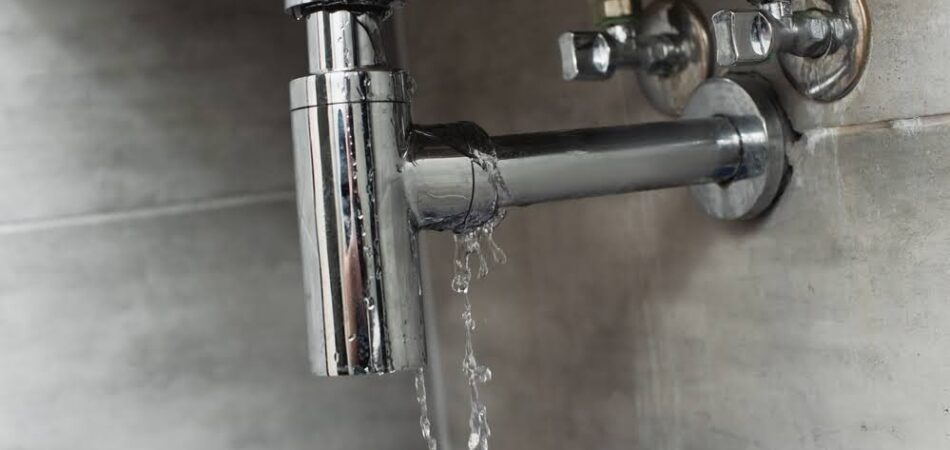
Faucet and toilet leaks usually trace back to a few common parts: a worn flapper valve, a failed fill valve, a cracked cartridge, or a worn washer or seal. Most are quick fixes, often under an hour, and the parts are inexpensive.
Pipe leaks behind a wall or under a slab are a different problem. Cracked or corroded pipe can lose a steady drip of water for months before the moisture shows up as a stain on drywall or a soft spot in the flooring. In an older Tacoma home, the framing damage from a slow leak often adds up to thousands of dollars before anyone finds the leak itself. If the leaking pipe is on the sewer side, the leak can also be a real health hazard. A licensed plumber locates the leak with cameras and moisture meters and repairs only the affected section.

Low water pressure can come from a few sources. Sometimes it is the city water supply, and the whole neighborhood notices it at once. More often, it is something inside the home: a partially closed main shutoff, multiple fixtures running at the same time, or a pressure regulator that has drifted out of spec.
In older Tacoma homes with galvanized water pipes, the most common cause is internal corrosion. Galvanized lines build up scale on the inside as they age, which shrinks the inner diameter of the pipe. Pressure drops across every fixture in the house, and the only real fix is replacing the affected runs with copper or PEX. Most galvanized water lines installed before 1960 are near or past their useful life.
Most slow drains start small and build up over time. Hair, soap scum, and grease combine in shower and bathroom sink drains. Kitchen drains pick up food scraps and oil. Routine drain maintenance keeps these clear, and drain cleaning service in Tacoma usually handles both interior and yard drains in the same visit.
When the slow drain affects multiple fixtures at the same time, the cause is usually further down the line. Older Tacoma yards with mature trees often see root intrusion into the main sewer lateral, especially in neighborhoods like Proctor District and Old Town where clay pipe is still common. A sewer camera inspection on older Tacoma drain lines confirms whether roots are the cause before any cutting or excavation begins.
Water heaters fail in two main ways. The first is a leak from worn fittings, a corroded tank, or a failed pressure relief valve. The second is gradual capacity loss from mineral buildup at the bottom of the tank, which insulates the burner or heating element and shortens tank life.
Annual maintenance handles most of this. Draining and flushing the tank clears the sediment. Checking the anode rod prevents the tank itself from rusting through. Once a tank has been actively leaking, replacement is usually the right call rather than a patch repair. Professional water heater repair and replacement in Tacoma keeps both the manufacturer warranty and the home warranty intact.
Three factors stack up against most Tacoma homes when it comes to plumbing wear.
The median Tacoma home was built around 1967, and roughly 26.9% of homes predate 1940. Many of those homes still use original galvanized water supply lines and clay sewer laterals. Each material ages in its own way, and the failure points are predictable enough that we see the same four issues repeatedly across Tacoma neighborhoods.
Pierce County averages about 38 inches of rain per year, with the wettest stretch between November and February. Months of saturated soil push on buried sewer and water lines while heavy rain events stress city drainage. The plumbing that handles a light spring shower fine can develop leaks or cracks after a long wet winter.
Older Tacoma yards have mature trees with deep, wide root systems. Roots are drawn toward the moisture inside buried sewer and water lines. When a root finds the smallest crack at a pipe joint, it grows into the line and restricts flow over time. Tree-related plumbing failures are one of the most common service calls in established neighborhoods.
Most plumbing problems in Tacoma give you signals before they fail. Catching them early is usually the difference between a quick repair and a costly cleanup.
Most of these signs can be checked in 10-15 minutes. If you spot more than one, the issues are often connected to a single underlying cause.
A handful of small maintenance tasks each year prevents most of the major plumbing failures we are called out for in Tacoma homes. Here is the schedule we recommend.
| Maintenance Task | Frequency | Why It Matters |
|---|---|---|
| Flush the water heater tank | Annually | Removes sediment that shortens tank life |
| Check the anode rod | Every 2-3 years | Prevents tank corrosion from the inside out |
| Clean exterior drains | Annually (October-November) | Stops foundation flooding during storm season |
| Inspect visible pipes for corrosion | Annually | Catches small leaks before they damage framing |
| Sewer camera inspection (older homes) | Every 5-7 years | Catches root intrusion and joint failure early |
| Test water pressure | Once a year | A drop signals scale buildup or a partial blockage |
Some plumbing repairs are well within reach for a Tacoma homeowner: replacing a flapper valve, swapping a P-trap, tightening a fixture supply line. Anything past that gets complicated fast.
Call a licensed plumber when:
At Spartan Plumbing Inc., we have worked Tacoma and Pierce County homes since 1958 (LIC #SPARTSI794OC). Our licensed, insured technicians offer flat-rate upfront pricing and a Free Second Opinion on any plumbing concern. Call 253-231-7015 any time.
Faucet and toilet leaks, low water pressure from aging galvanized pipes, slow drains often caused by tree root intrusion, and water heater issues. These four problems account for most service calls across Tacoma and Pierce County.
Galvanized pipes typically last 40 to 60 years, but many in older Tacoma homes are now 70+ years old. Internal corrosion builds up scale that restricts water flow and lowers pressure across the whole home. Replacement with copper or PEX is the usual fix.
A clogged showerhead is the most common cause and is an easy fix. If cleaning the showerhead does not restore pressure, the issue may be a partially closed valve, scale buildup in the supply line feeding the shower, or a pressure-balancing cartridge inside the shower valve.
Yes. Tree roots seek out the moisture inside sewer lines and grow into the smallest cracks at pipe joints. Older Tacoma neighborhoods with mature trees and clay sewer laterals see the most root intrusion. A sewer camera inspection confirms the problem before any repair work begins.
Once a year, ideally before peak winter demand. Sediment buildup at the bottom of the tank reduces capacity, shortens tank life, and can cause rumbling or banging sounds. Flushing is a 1-hour job that pays for itself in unit longevity.
It is a no-charge review of a plumbing quote you have received or a repair you are about to attempt yourself. Our licensed plumbers give you their honest read on whether the work is necessary, whether the price is fair, and whether the diagnosis is correct.
Small faucet and toilet leaks are usually safe for a DIY fix if you are comfortable with basic tools. Pipe leaks behind walls or under slabs almost always cost more to DIY than to hire out, once you factor in time, missed leaks, and water damage.
Repiping is worth considering if you have galvanized pipes that are 60+ years old, recurring leaks in multiple sections, persistent low water pressure, or visible rust in your hot water. A licensed plumber can confirm whether targeted repairs or full repiping is the right call.
 Book Now!