Emergency Plumbing in Tacoma & Pierce County 24/7 Live Answer Free Second Opinion Quality Plumbing Services
Emergency Plumbing in Tacoma & Pierce County 24/7 Live Answer Free Second Opinion Quality Plumbing Services
Emergency Plumbing in Tacoma & Pierce County 24/7 Live Answer Free Second Opinion Quality Plumbing Services
Emergency Plumbing in Tacoma & Pierce County 24/7 Live Answer Free Second Opinion Quality Plumbing Services

Text Us: 253-231-7015
Call Us: 253-231-7015
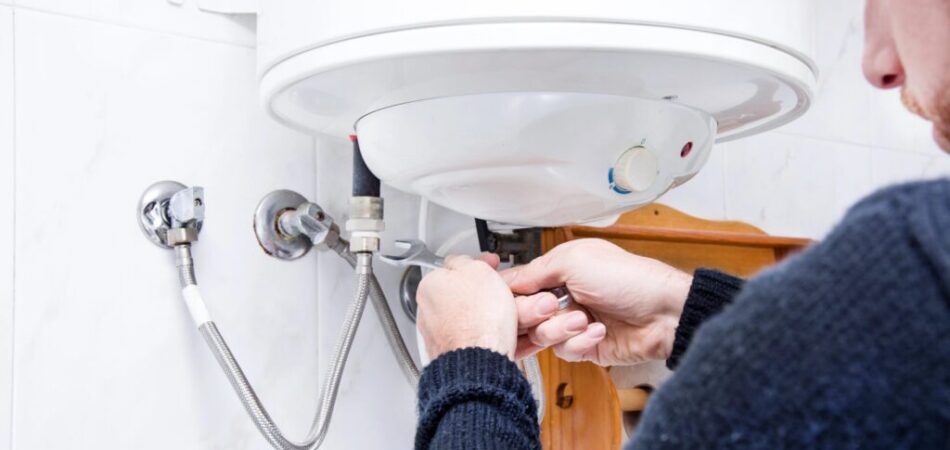
Most traditional tank water heaters last between 8 and 12 years. Tankless models can run reliably for 20 years or more when properly maintained. Knowing your unit’s age and watching for warning signs is the best way to stay ahead of an unexpected failure.
A water heater works in the background every single day, heating water for showers, dishes, laundry, and more. Because it never stops working, most homeowners don’t think about it until something goes wrong. By then, a slow decline has often turned into a flooded utility room or a cold shower at the worst possible time.
Catching early signs of wear can save you from emergency repairs and water damage. Spartan Plumbing Inc. has helped Tacoma-area homeowners manage and replace aging water heaters since 1958, and this guide covers what you need to know to stay ahead of the problem.
A standard tank water heater typically lasts between 8 and 12 years. According to the U.S. Department of Energy, storage tank water heaters have a lifespan of around 10 to 15 years, though many begin showing signs of wear before that window closes. Hard water, infrequent maintenance, and heavy usage can all shorten that timeline.
The steel tank inside a traditional water heater is constantly exposed to water, heat, and dissolved minerals. Sediment from hard water settles at the bottom and forces the heating element to work harder over time. That repeated thermal strain accelerates corrosion from the inside out.
Most tanks include a sacrificial anode rod designed to attract corrosive minerals before they reach the steel walls. Once that rod wears down, the tank itself starts corroding. Most plumbers recommend inspecting the anode rod every three to five years and replacing it as needed.
The age of your water heater is printed on the manufacturer’s label near the top of the unit. Most manufacturers embed a date code in the serial number. If you’re not sure how to read it, searching your brand name and “serial number date code” online will usually explain the format in seconds.
 Tankless water heaters generally last 15 to 20 years, and the U.S. Department of Energy notes that most models exceed 20 years of service life with proper care. Because they heat water on demand rather than storing it continuously, they experience far less corrosion and thermal stress than tank units.
Without a storage tank, there’s no standing water sitting in a corrosive environment all day. That fundamental difference is what gives tankless units their extended lifespan. Most models also have replaceable parts, which means a failing component often doesn’t require a full unit replacement.
Annual descaling is the most important maintenance task for tankless units, especially in areas with hard water. Mineral buildup inside the heat exchanger reduces efficiency and can lead to premature failure if left unchecked. A professional flush once a year typically keeps the system running smoothly and helps it reach the high end of its expected lifespan.
The most common warning signs include rust-colored water, rumbling or popping noises from the tank, visible corrosion around fittings, inconsistent water temperature, and water pooling near the base of the unit. Any one of these on an older unit should prompt a professional evaluation.
If your hot water runs orange or brown at the tap, corrosion has likely started inside the tank. Once rust begins forming on the interior walls, the unit is near the end of its useful life. Replacement is almost always a better investment than repair at this stage, especially on a heater that’s already 8 or more years old.
Rumbling, popping, or cracking sounds from a tank usually mean there’s a thick layer of sediment at the bottom heating and expanding with each cycle. Annual flushing can slow this process, but once the noise becomes persistent, the tank is nearing failure.
Any visible water around the base of a tank water heater should be taken seriously. Moisture often signals a hairline fracture in the tank caused by thermal expansion over years of use. A leaking tank cannot be repaired and needs to be replaced promptly to prevent water damage to the surrounding structure.
If your water heater struggles to keep up with normal household demand or delivers lukewarm water when it used to handle things fine, the heating element may be failing. On a newer unit this may be repairable. On an older one, it’s usually a sign the whole system is in decline.
 Hard water, high usage, skipped maintenance, improper installation, and installation location all shorten a water heater’s lifespan. In areas with mineral-heavy water common throughout parts of Pierce County, sediment builds up faster and accelerates wear on both tank and tankless models.
Hard water is the number one enemy of water heaters. The calcium and magnesium in hard water deposit sediment inside tanks and clog heat exchangers in tankless units. Homes in the greater Tacoma area, particularly those served by well water, may notice faster buildup and more frequent maintenance needs as a result.
An undersized water heater running constantly to keep up with a large household will wear out years ahead of schedule. Choosing the right capacity from the start makes a real difference in how long the unit lasts and how efficiently it runs day to day.
Annual anode rod inspections, tank flushing, and descaling all extend a water heater’s life. Homeowners who skip these steps year after year often find their unit failing earlier than it should. Routine maintenance is inexpensive compared to an emergency replacement.
If your water heater is showing signs of age or you’re not sure how much life it has left, Spartan Plumbing Inc. can help. Serving Tacoma and the surrounding Pierce County area, our team handles everything from inspections to full replacements with upfront pricing and 24/7 availability. Schedule your water heater service today and enjoy reliable hot water without the stress of unexpected breakdowns.
Most standard tank water heaters last 8 to 12 years. Tankless models generally last 15 to 20 years or more according to the U.S. Department of Energy. Regular maintenance helps reach the higher end of either range.
Check the manufacturer’s label on the side or top of the unit. The serial number typically encodes the manufacture date. Searching your brand name plus “serial number date code” will usually explain the format.
Tank water heaters rarely last 20 years without exceptional maintenance, but it does happen in favorable conditions. Tankless water heaters routinely reach and exceed 20 years with annual descaling and professional servicing.
The general rule is that if a repair costs more than half the price of a new unit, or if the heater is more than 10 years old, replacement is usually the better investment. Newer units are also more energy-efficient, which lowers your monthly utility bill.
An aging tank heater can leak or burst, causing significant water damage to floors, walls, and the surrounding structure. The damage from a failed tank unit can easily exceed several thousand dollars, far more than the cost of timely replacement.
Water heater replacement costs in Tacoma vary depending on the type of unit. A basic tank water heater replacement is generally the more affordable option, while tankless units tend to cost more due to the higher equipment costs and more involved installation requirements. Contact Spartan Plumbing for an accurate quote.
Yes. Flushing your tank water heater once a year removes sediment that accumulates at the bottom and forces the heater to work harder. It’s one of the most effective ways to extend the unit’s life and maintain efficiency.
Rumbling or popping sounds are almost always caused by sediment buildup at the bottom of the tank heating and expanding with each cycle. Annual flushing can reduce this, but persistent noise on an older unit usually means the heater is nearing the end of its life.
Tank heaters cost less upfront and are simpler to replace, while tankless heaters cost more initially but last longer and use less energy. Household size, hot water usage habits, and available space are the main factors in the decision.
Yes. Spartan Plumbing Inc. handles water heater repairs, replacements, and new installations throughout Tacoma and Pierce County, including both tank and tankless models.
 Book Now!