Emergency Plumbing in Tacoma & Pierce County 24/7 Live Answer Free Second Opinion Quality Plumbing Services
Emergency Plumbing in Tacoma & Pierce County 24/7 Live Answer Free Second Opinion Quality Plumbing Services
Emergency Plumbing in Tacoma & Pierce County 24/7 Live Answer Free Second Opinion Quality Plumbing Services
Emergency Plumbing in Tacoma & Pierce County 24/7 Live Answer Free Second Opinion Quality Plumbing Services

Text Us: 253-231-7015
Call Us: 253-231-7015
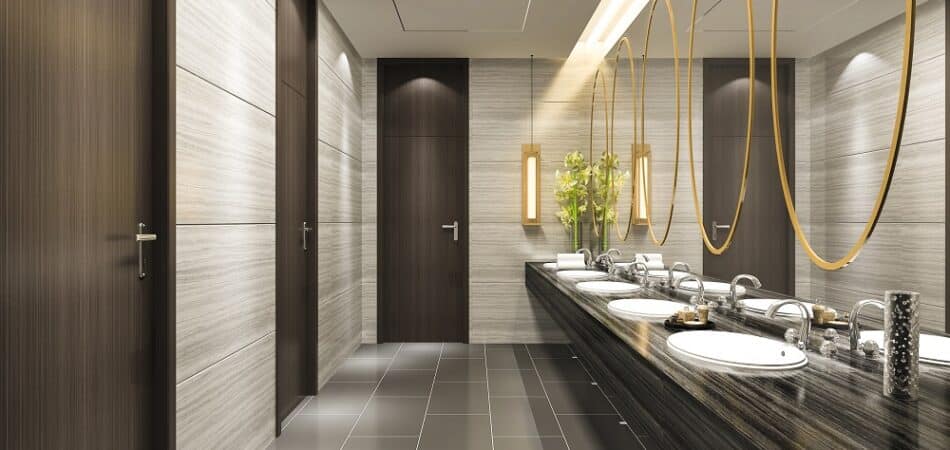
Professional plumbing services are essential for Tacoma hotel upgrades to ensure high-quality, code-compliant installations that minimize guest disruption and maximize long-term durability.
Licensed plumbers can handle the complexity of large-scale hotel systems that general handymen are not trained or equipped for, reducing the risk of future problems and keeping hotel operations running smoothly.
When upgrading the plumbing system in a Tacoma hotel, the choice between hiring a professional plumbing service and a general handyman can affect the quality and efficiency of the work in a big way. At Spartan Plumbing Inc., we see this firsthand, so we put together this guide covering seven reasons to choose a licensed plumber for your next hotel plumbing upgrade in Tacoma.
Need professional help now? Contact us today to schedule a consultation.
Hotel plumbing systems are far more complex than residential ones, and only licensed commercial plumbers have the training to handle them properly. Their education typically includes extensive coursework and hands-on experience in pipe fitting, water systems, drainage, and gas lines. This means they know the most recent best practices and standards for commercial plumbing.
A handyman, while versatile and capable across many home maintenance tasks, generally lacks the specialized knowledge required for complex plumbing upgrades. Hotel plumbing systems involve multi-floor pipe networks, high-occupancy water demand, and commercial kitchen and laundry connections, all of which require a level of specialization that goes well beyond general repair skills.
When your Tacoma hotel guests expect consistent hot water across hundreds of rooms during peak check-in hours, you need a plumber who understands commercial load calculations, not someone who primarily handles residential faucet repairs.
Licensed plumbers use commercial-grade equipment like pipe cameras, hydro-jetting machines, and electronic leak detectors that allow for faster, more accurate diagnostics and repairs.
Handymen typically rely on a basic toolkit: wrenches, screwdrivers, pliers, and other general-use tools. While these are useful for minor fixes, they lack the precision and capability needed for complex or large-scale plumbing work. This gap in equipment can affect the accuracy of diagnostics and the durability of repairs. For anything beyond simple fixes, a licensed plumbing professional is the better choice.
Licensed plumbers perform full system evaluations that go beyond surface-level checks, catching problems like slow corrosion, early-stage leaks, and undersized supply lines before they turn into emergencies.
This ability to diagnose problems accurately is what prevents future complications and extends the life of a newly upgraded plumbing system. A handyman may be able to address symptoms, but without the training and tools to perform deep diagnostics, root causes often go undetected. That leads to recurring issues down the road.
Hotel sewer lines carry far more waste volume through fewer access points than residential systems, which means blockages, root intrusion, and aging pipe failures show up faster and affect more guests at once. A single backed-up line on a lower floor can knock multiple guest bathrooms out of service simultaneously, something a residential plumber rarely has to plan around.
Most professionals recommend a sewer camera inspection every 1-2 years for hotels, or immediately if you notice recurring backups, slow drainage across multiple rooms, or sewer odors near cleanout access points. Catching a developing issue early before it becomes a full backup during a high-occupancy weekend is far cheaper than an emergency repair mid-stay.
Non-compliant hotel plumbing work can lead to failed inspections, fines, legal liability, and even forced closures, which is why only licensed plumbers should handle these projects. They stay current with the latest Tacoma and Washington State building codes, safety regulations, and industry standards, which means every installation and repair they perform is fully compliant.
 What Happens When Hotel Plumbing Work Isn’t Up to Code
For Tacoma hotels, compliance matters even more than it does for residential properties. Failed inspections can result in fines from local authorities, legal liability if a guest is harmed, and in serious cases, forced closures until the issues are corrected.
Handymen often lack the same depth of code-specific knowledge. This increases the risk of non-compliant work that could result in costly rework, unexpected downtime, or safety hazards. A licensed plumber provides safer operations, better performance, and long-term protection for both the property and its guests.
Yes. Most licensed plumbing services offer warranties on their work, covering post-installation issues at no extra cost within a set period, something handymen rarely provide. This gives Tacoma hotel owners and managers peace of mind that their investment is protected.
Handymen rarely offer this type of formal guarantee. Without a warranty, any substandard work or unforeseen complications become an out-of-pocket expense. In a hotel environment, where even a minor plumbing failure can affect guest experience and online reputation, the financial protection of a warranty is an important consideration.
Professional plumbing teams plan and execute upgrades around hotel schedules, working during low-occupancy periods with the right staff and equipment to finish faster and with less downtime. Their experience with commercial projects, combined with access to specialized equipment, allows them to work more effectively than a general handyman working alone.
In the hospitality industry, every hour a guest room is out of service represents lost revenue. Prolonged plumbing projects also inconvenience guests and staff. A handyman, while capable for small tasks, may take much longer to complete the same scope of work due to limited expertise and resources, leading to extended downtime that a Tacoma hotel simply cannot afford.
When hotel plumbing work is done right the first time with proper techniques and quality materials, property owners avoid the cycle of repeat repairs, emergency calls, and premature system replacements that come with substandard work. Licensed plumbers have the training, experience, and specialized tools to diagnose issues accurately and deliver solutions designed to last.
 Long-Term Benefits of Hiring a Licensed Plumber
While a handyman may offer a lower upfront price, the lack of commercial plumbing expertise often results in work that doesn’t hold up under the demands of a hotel environment. Over time, recurring issues and the need for corrections typically exceed the cost of hiring a professional from the start.
Choosing the right plumbing professional for your Tacoma hotel upgrade is a decision that affects guest comfort, operational efficiency, and long-term costs. A licensed commercial plumber brings the expertise, tools, and accountability that the job demands.
If you’re planning a hotel plumbing upgrade in Tacoma or Pierce County, contact Spartan Plumbing Inc. for expert guidance and reliable service you can count on.
Licensed plumbers have specialized training in commercial plumbing systems, advanced diagnostic tools, and up-to-date knowledge of Tacoma and Washington State building codes. Hotels deal with multi-floor piping, commercial kitchens, and high-occupancy water demand that require expertise a general handyman simply isn’t trained for. Licensed plumbers also provide warranties on their work, which protects the property owner’s investment.
Most professionals recommend at least twice a year. Routine inspections catch hidden leaks, evaluate water heater performance, check sewer lines, and confirm code compliance. Hotels with older plumbing or higher occupancy may benefit from quarterly inspections. Staying on a schedule helps prevent costly emergency repairs and extends the lifespan of the entire system.
The most frequent issues include low water pressure on upper floors, clogged drains from high guest turnover, inconsistent hot water during peak demand, running or leaking toilets, and aging pipes prone to corrosion. These problems tend to get worse over time when left unaddressed, and a licensed plumber can fix all of them during a planned upgrade.
Yes. Reliable hot water, consistent water pressure, and properly functioning fixtures are baseline expectations for guests. Plumbing failures rank among the most common complaints in negative hotel reviews. A professional plumbing upgrade keeps these systems performing reliably, which directly supports better guest experiences, higher review scores, and stronger repeat bookings.
In most cases, yes. Professional plumbing services deliver work that lasts longer, comes with warranty protection, and meets all Tacoma code requirements. The long-term savings from fewer repairs, lower emergency costs, and better system efficiency typically outweigh the initial price difference. For most hotel properties in Tacoma, professional service is the smarter financial decision.
Hotel plumbing systems operate at a much larger scale, with multi-floor pipe networks, commercial kitchens, laundry facilities, pools, and hundreds of guest bathrooms running at the same time. Peak water demand during check-in hours or events like conventions can be extreme. Residential plumbers may not have experience handling the pressure calculations and code requirements that hotel systems demand.
Low-flow toilets, water-saving showerheads, and energy-efficient water heaters tend to offer the best ROI. For example, a single guestroom with an older 3.5-gallon-per-flush toilet can use over 50 gallons of water per day on flushes alone. Upgrading to modern low-flow fixtures across toilets, showers, and faucets can cut water usage dramatically and often pays for itself in under two years through utility savings.
A failed inspection can result in fines from local authorities, mandatory rework at the hotel’s expense, and in serious cases, temporary closures until the issues are corrected. Non-compliant plumbing also opens the door to legal liability if a guest is injured. Working with a licensed plumber from the start helps avoid these risks entirely.
The timeline depends on the size of the property and the scope of work. Smaller upgrades like replacing fixtures across a few dozen rooms may take a week or two. Full system overhauls on larger hotels can take several weeks to a few months. Professional plumbers plan the work around hotel schedules to minimize guest disruption.
Yes. Modern low-flow fixtures are designed to maintain strong water pressure while using less water per minute. Guests typically don’t notice a difference. Hotels can also install recirculating hot water systems to reduce wait times and add smart leak detection to catch waste early. These upgrades lower utility bills without compromising the guest experience.
 Book Now!