Emergency Plumbing in Tacoma & Pierce County 24/7 Live Answer Free Second Opinion Quality Plumbing Services
Emergency Plumbing in Tacoma & Pierce County 24/7 Live Answer Free Second Opinion Quality Plumbing Services
Emergency Plumbing in Tacoma & Pierce County 24/7 Live Answer Free Second Opinion Quality Plumbing Services
Emergency Plumbing in Tacoma & Pierce County 24/7 Live Answer Free Second Opinion Quality Plumbing Services

Text Us: 253-231-7015
Call Us: 253-231-7015

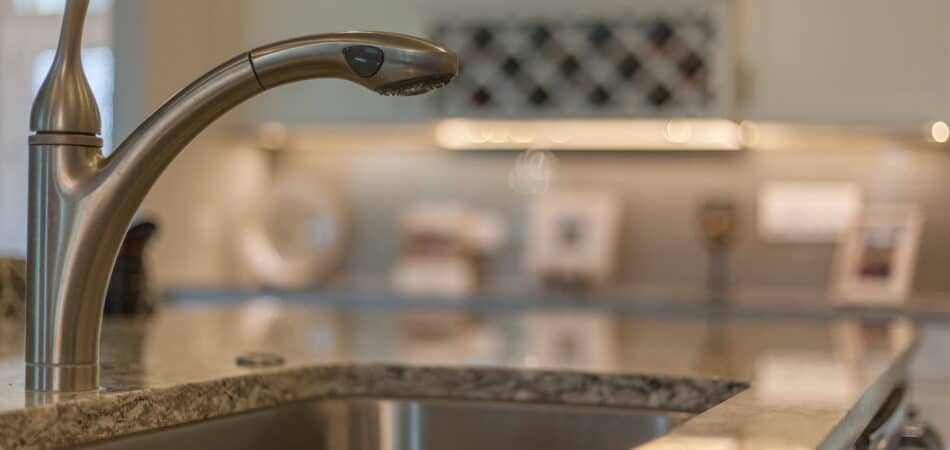
The best material for your kitchen sink will depend on how often you use it, your style, and your budget. Acrylic and stainless steel are both durable and cheap. Quartz and granite composites don’t get hot or scratch easily. Fireclay and cast iron look great in traditional and farmhouse kitchens. Copper naturally fights bacteria and keeps you warm. Matching the sink to your kitchen will help it last longer, keep it from needing repairs, and protect your countertops.
Your sink takes more abuse than any other fixture in the kitchen. Hot pans get dropped in it. Dishes pile up. Coffee gets poured down the drain at 6 a.m. and wine at 10 p.m. The material you choose determines whether it will still look good in five years or become an eyesore you regret every time you walk into the room.
This guide breaks down 11 common sink materials, what they’re actually like to live with, and which kitchens they suit best.
Need help choosing or installing the right sink? At Spartan Plumbing Inc., we can walk you through your options and handle the installation properly. Call or text 253-231-7015 for a quick consultation.
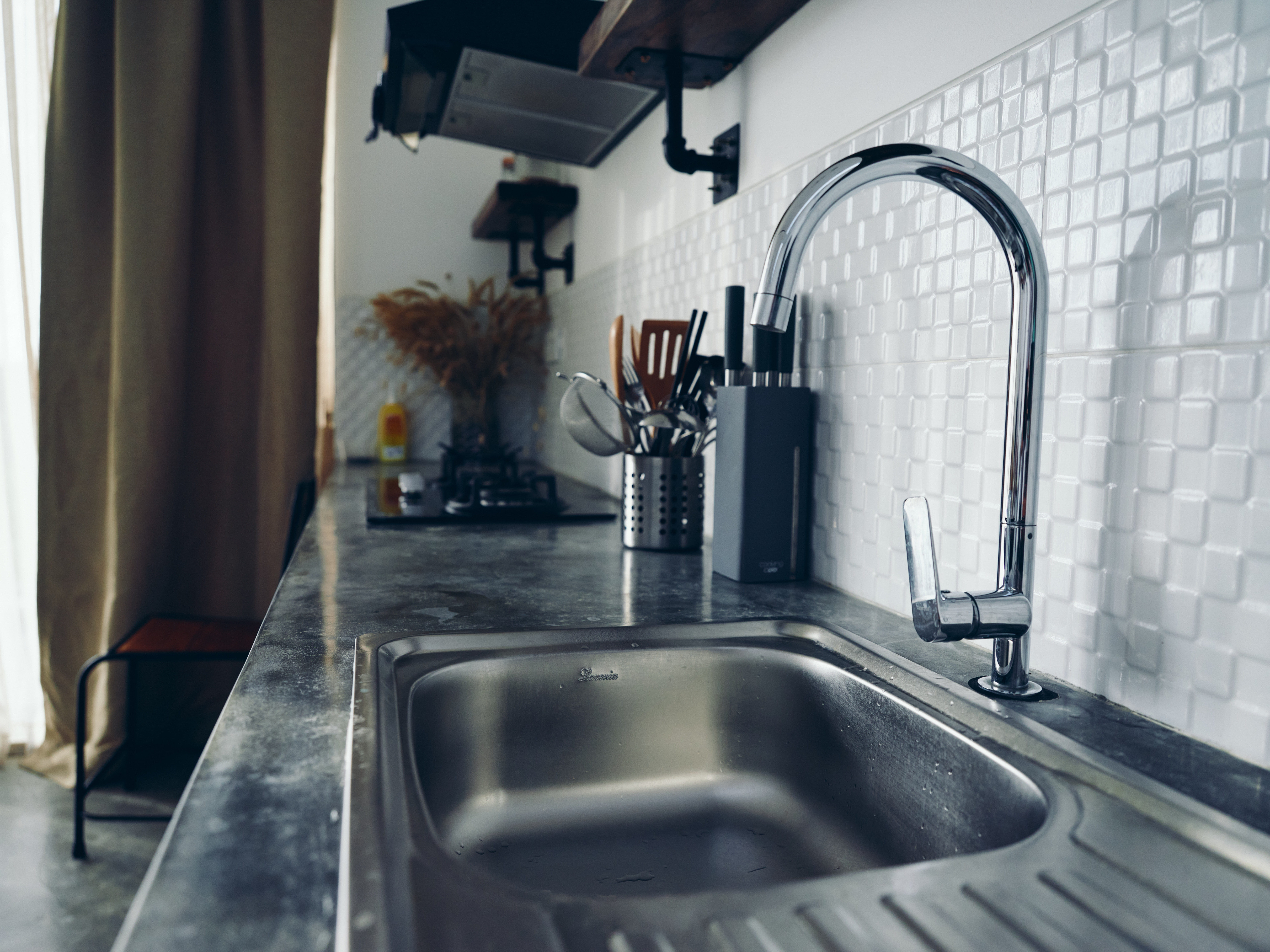 There’s a reason stainless steel dominates the market. It’s affordable, nearly indestructible, and fits any kitchen style from ultra-modern to 1970s ranch.
There’s a reason why stainless sink dominates the market. It’s inexpensive, nearly indestructible, and complements any kitchen design, from ultra-modern to 1970s ranch.
Stainless steel is resistant to high temperatures. You can take a pot right off the stove and drop it into the basin without worry. It will not crack, chip, or stain. Cleanup takes only a few seconds.
The downsides?
Water spots show on shiny finishes (go for brushed if that bothers you). Cheaper gauges dent more easily and sound like a drum when water hits them. Look for 16 or 18-gauge steel if you want something solid.
For the majority of households, stainless steel is the most practical option.
Granite composite mixes crushed stone with resin to create something that looks high-end but handles punishment like a workhorse. These sinks resist scratches, stains, and heat better than most materials at their price point, like solid surface or cast iron.
They’re also quieter than stainless. Dishes don’t clang. Water doesn’t echo.
The tradeoff is weight. Granite composite sinks are heavy, which means your cabinet needs solid support. They also cost more than basic stainless, though less than natural stone.
If you want something that looks expensive without the maintenance headaches of actual stone, granite composite delivers.
Quartz composite works the same way as granite composite, but it usually looks smoother and more even. The color goes all the way through the material instead of just sitting on top, and it doesn’t get stained, scratched, or hot.
These sinks stay quiet during use, and they don’t require sealing like natural stone. The surface wipes clean easily.
Quartz composite works well in kitchens that want a modern, seamless look without high maintenance. It’s a solid middle-ground choice: not the cheapest, not the most expensive, but reliable.
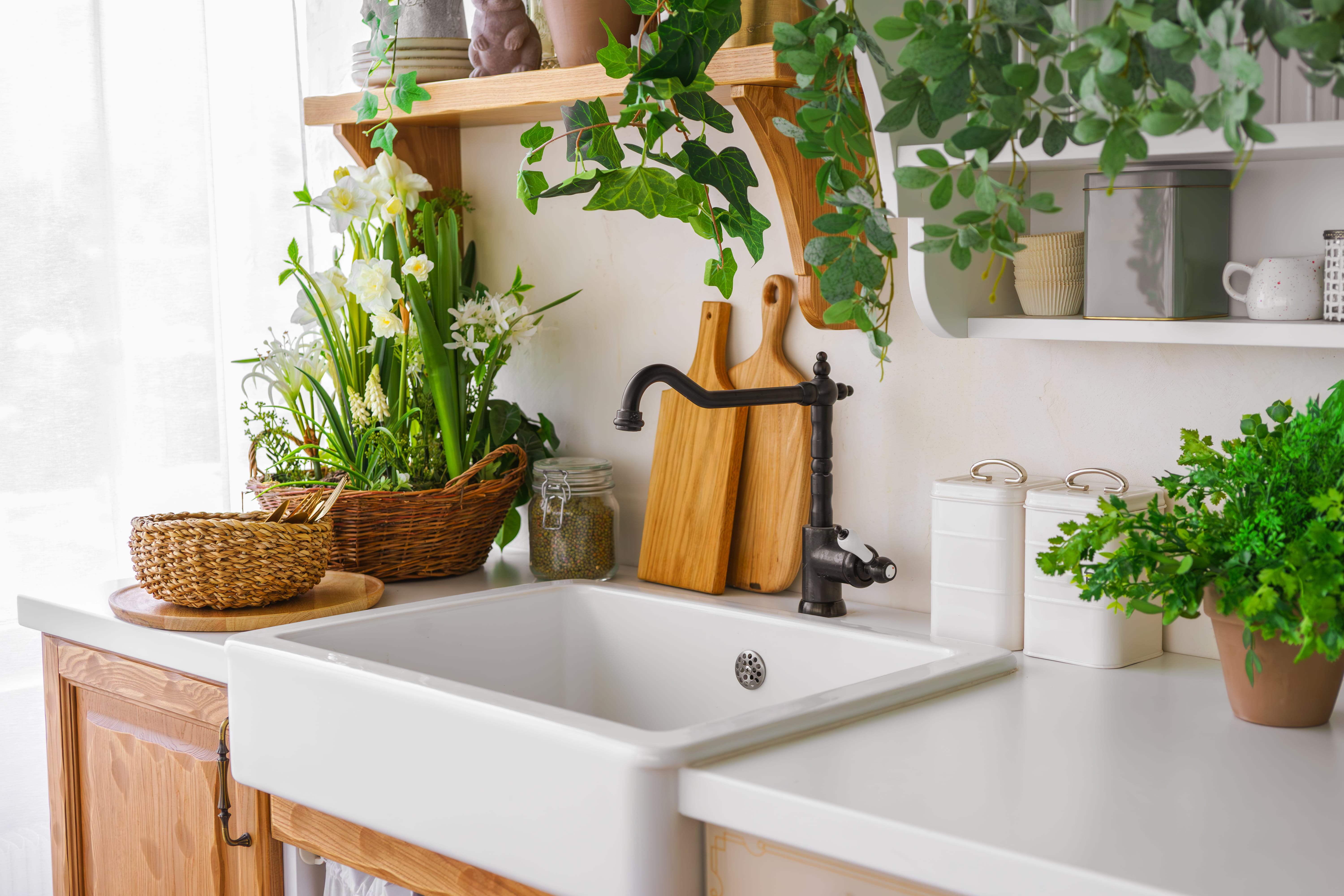 To make fireclay sinks, you shape clay and then heat it to very high temperatures until it becomes rock-hard. The end result is a thick, shiny surface that doesn’t chip, stain, or scratch easily.
This is the material you see in those farmhouse sinks everyone pins on Pinterest. The look is classic, clean, and bright white, but other colors exist, too.
A few things to know: fireclay sinks are heavy. Your cabinet may need extra support. They’re also more expensive than stainless or composite options. And while the surface is tough, dropping a cast-iron pan directly on the edge could potentially chip it.
For homes chasing that farmhouse aesthetic with real durability behind it, fireclay is worth the investment.
There is a reason why cast iron sinks have been around for more than 100 years. Enamel covers the heavy iron core, making a surface that is smooth, colorful, and can handle most daily wear.
These sinks come in many colors, and that makes them popular for kitchens that want personality. They’re also heat-resistant and easy to clean.
The catch? They’re extremely heavy. Installation isn’t a DIY project unless you enjoy back injuries. The enamel can also chip if you drop something heavy on it, and once it chips, rust becomes a concern.
Cast iron suits homes that want a classic, colorful sink and don’t mind the weight.
In Tacoma, cast iron sinks are still common in older homes around the North End and Old Town, where many of them have outlasted the cabinets around them through multiple remodels. The enamel surface eventually chips, but the cast iron core underneath usually holds up far longer than newer materials would in the same spot.
Sinks made of copper are beautiful. That warm reddish-brown color gives it a unique look that no other material can match. They also naturally kill germs, which is a nice bonus in a place where you wash raw chicken.
Here’s the reality check: copper develops a patina over time. Some people love the aged look. Others spend weekends polishing it back to bright copper. Know which camp you’re in before buying.
Copper also shows water spots, reacts to acidic foods like lemon juice, which will leave marks if you don’t wipe it up, and costs significantly more than most alternatives.
Copper sinks add character that other sinks can’t match, but they do need some care.
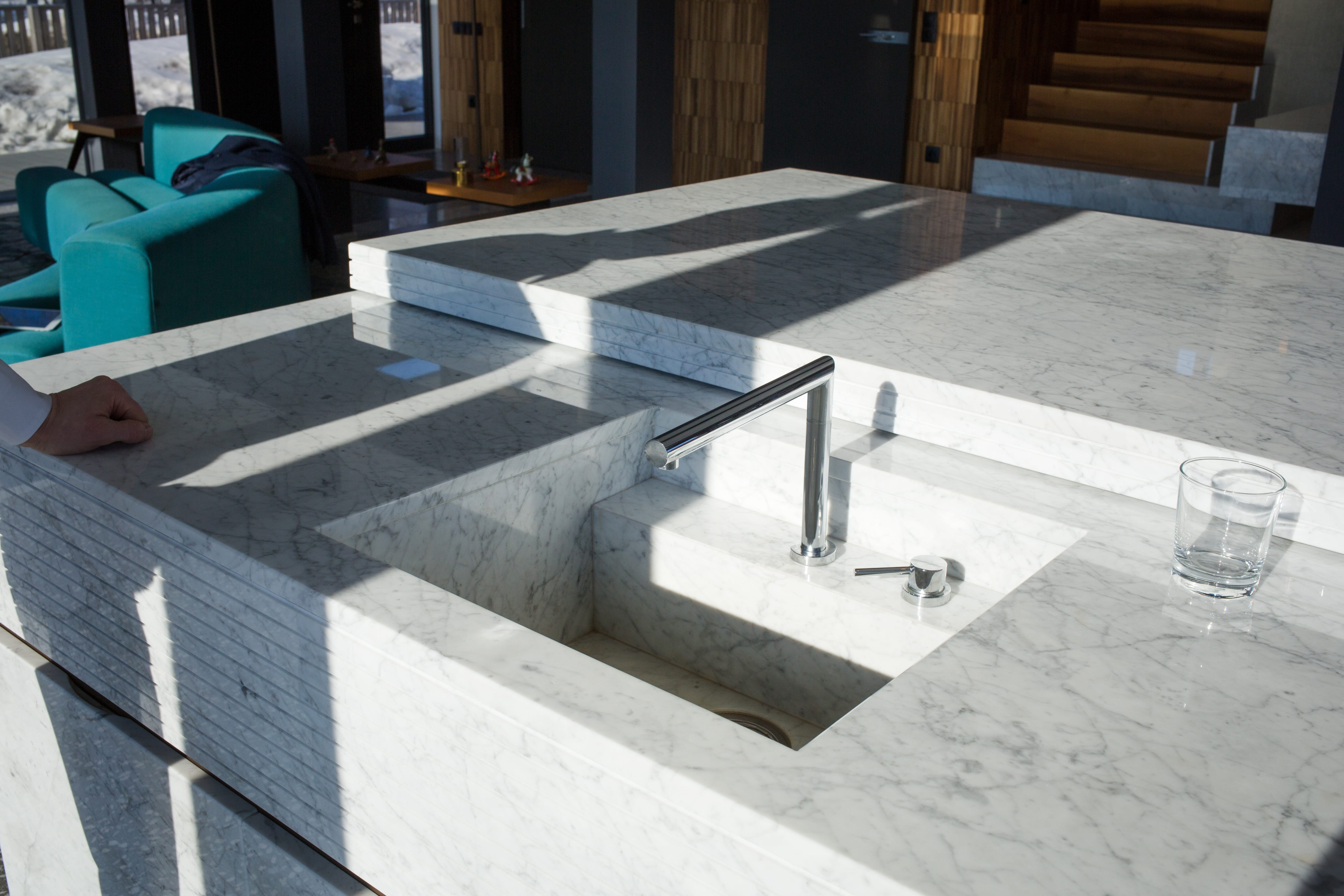 People look twice at sinks made of natural stone, like marble, granite, or soapstone. Because each one has its own unique veining and color, your sink is truly one of a kind.
Stone is good at handling heat and feels solid in a way that lighter materials don’t. These sinks make a kitchen feel expensive because, frankly, they are.
The maintenance part isn’t as exciting. Most natural stone requires regular sealing to prevent stains. Marble scratches. Granite is harder but still needs care. And the weight is similar to that of cast iron.
Natural stone works best in high-end kitchens where the homeowner is willing to maintain it. It’s beautiful, but it asks something of you in return.
Porcelain gives you that bright, clean, classic look without breaking the bank. It is easy to clean, works in both modern and traditional kitchens, and comes in a range of colors.
The weakness of this material is that it doesn’t last. If you drop a heavy mug, your sink could chip.
That being said, porcelain holds up fine for typical daily use. For decades, it’s been a standard because it works for most homes that take care of their kitchens well.
If you want a timeless look on a budget and you’re not particularly rough on your kitchen, porcelain is a solid pick.
Ceramic looks a lot like porcelain and often gets confused with it. The main difference is how it’s made. Ceramic is fired at lower temperatures, which makes it less durable.
It still has a smooth surface that is easy to clean and doesn’t stain. It still looks bright and old-fashioned. And it still chips if you use it too much or drop something heavy on it.
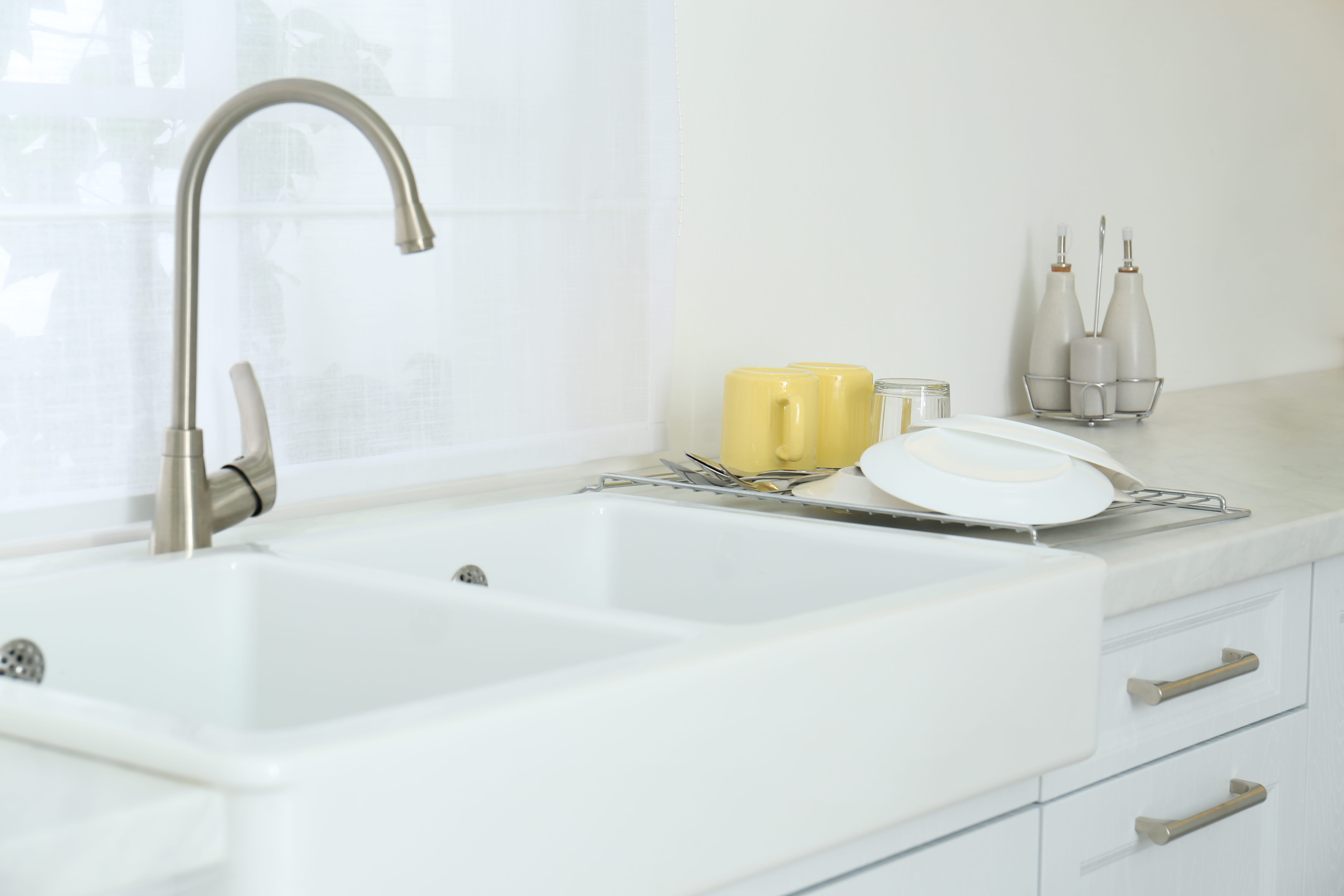 Acrylic sinks are lightweight, not expensive, and come in plenty of colors. They’re easy to install and don’t require heavy-duty cabinet support.
The tradeoff is durability. Acrylic scratches more easily than metal or natural stone. Hot pans can damage the surface if you’re not careful. These sinks can’t handle a lot of abuse well.
On the plus side, minor scratches can sometimes be buffed out, and the low price makes replacement less painful if needed.
Acrylic makes sense for rental properties, secondary kitchens, or homeowners who want a quick, budget-friendly update without long-term commitment.
A mixture of acrylic resins and minerals makes solid surface sinks (Corian, Hi-MACs, Staron). This gives them a smooth, seamless look that can be put right on top of countertops.
Because they don’t have pores, are easy to clean, and don’t stain, they are a good choice for kitchens. Scratches and small damage can be sanded out, which makes them last longer than stone or ceramic.
The initial cost, though, is higher than that of acrylic or stainless steel, but they last a long time and are easy to repair. This is a good investment for families who want a modern look.
The material that works best for you depends partly on how your kitchen looks and partly on how you actually use it. In Tacoma’s mix of older craftsman bungalows and newer Pierce County builds, the right sink material often comes down to matching the era of the kitchen as much as the homeowner’s taste.
Think about how you actually cook.
Match the material to your actual life, not your Pinterest board.
At Spartan Plumbing Inc. (LIC #SPARTSI794OC), we install kitchen sinks and handle the behind-the-walls plumbing work that makes everything function properly for Tacoma and Pierce County homeowners. A great sink installed wrong can leak at the seam, loosen at the fittings, and damage cabinets before you notice anything is off. Our team works on flat-rate, upfront pricing with a written estimate before any work begins. Call or text 253-231-7015 to schedule a sink install or replacement.
It’s durable, affordable, and suits any style. Stainless is stain-resistant, handles heat, and lasts for many years without much maintenance. It’s the safe choice for a reason.
Generally, yes. Undermount sinks eliminate the raised lip where crumbs and gunk collect. Nothing gets trapped when you wipe debris into the basin directly from the counter.
Not all the time. Cast iron can weigh more than 100 pounds. For your cabinet to support that weight without sagging or breaking over time, it needs the right kind of support. Prior to purchasing, make sure.
Stainless steel or granite composite. Both handle heavy use, resist stains and scratches, and clean up quickly. They’re built for households that put their kitchens to work.
That depends on the look you want. If you like the aged patina, copper is low maintenance. If you want it shiny, you’ll be polishing regularly. Copper also stains from water and reacts with acidic foods.
Yes. Fireclay is fired at higher temperatures, making it harder and more resistant to chips and cracks. It costs more, but it holds up better over time.
Yes. Unlike most materials, where scratches are permanent, solid surface can be sanded and buffed to remove minor damage. It’s one of the material’s genuine advantages.
It can. Heavy sinks that aren’t properly supported stress pipes and seals. It’s more of the wrong or improper installation that leads to leaks, no matter what sink you choose. Professional installation prevents most of these issues.
 Book Now!