Emergency Plumbing in Tacoma & Pierce County 24/7 Live Answer Free Second Opinion Quality Plumbing Services
Emergency Plumbing in Tacoma & Pierce County 24/7 Live Answer Free Second Opinion Quality Plumbing Services
Emergency Plumbing in Tacoma & Pierce County 24/7 Live Answer Free Second Opinion Quality Plumbing Services
Emergency Plumbing in Tacoma & Pierce County 24/7 Live Answer Free Second Opinion Quality Plumbing Services
Text Us: 253-231-7015
Call Us: 253-231-7015
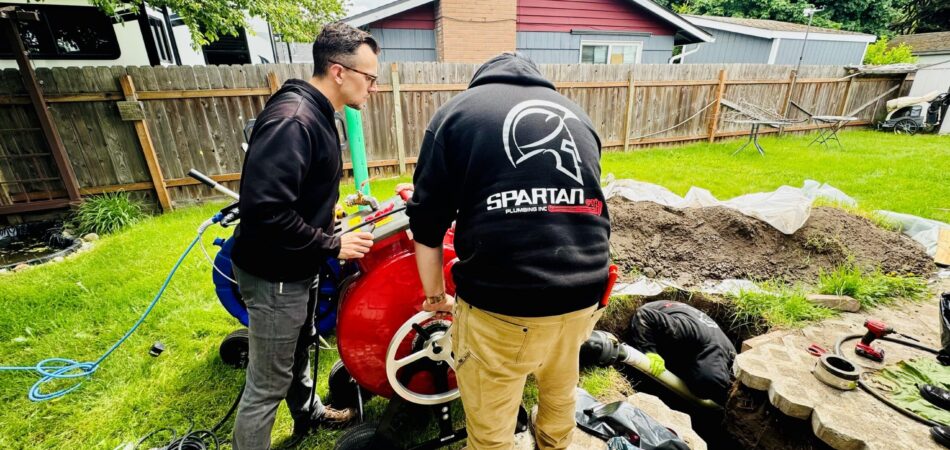
Sewer lining is a trenchless repair method that restores damaged sewer pipes and helps prevent costly plumbing issues, property damage, and health hazards. Warning signs such as slow drains, foul odors, gurgling noises, sewage backups, and foundation cracks should be addressed early through professional inspections and preventive maintenance to keep the plumbing system safe and reliable.
The sewer liner repairs damaged or deteriorating sewer pipes without the need for complete replacement. The early detection of sewer problems prevents extensive property damage, health hazards, and costly repairs for homeowners.
Timely sewer lining helps keep your plumbing system safe, protects your home foundation, and is hygienic. Routine inspections, professional maintenance, and awareness of warning signs save time and money while extending the life of your sewer system.
Water draining slowly from sinks, tubs, or showers is an early indicator of pipe blockages, mineral buildup, or root intrusion. Detecting and addressing slow drains early prevents complete clogs, reduces strain on your plumbing system, and avoids costly emergency interventions. Homeowners maintain normal water flow and improve daily convenience.
Persistent slow drains may indicate deeper issues requiring professional sewer lining to prevent further plumbing damage.
Foul smells emanating from drains, toilets, or outdoor areas near the sewer line indicate leaks, cracks, or blockages in pipes. Identifying these odors early prevents indoor air contamination, health risks, and potential property damage. Eliminating odors quickly eliminates pest attraction and long-term exposure to harmful bacteria.
Trapped air, partial blockages, or misaligned pipes may cause a popping or gurgling sound during drainage or flushing. Addressing gurgling noises promptly prevents wastewater backups, pipe bursts, and reduced water flow, ensuring smooth operation and peace of mind for homeowners. Ignoring these noises causes pipe damage and leads to more extensive repair needs for the sewer.
Leaks in underground sewer pipes may indicate overly lush or unusually thriving grass or vegetation in certain parts of your yard. Early detection prevents soil saturation, pipe collapse, and costly landscaping repairs. Proper assessment helps homeowners prevent environmental damage and avoid sudden sinkholes near problem areas.
Persistent sewage smells around the home or yard are caused by leaking or damaged pipes. Identifying these issues early protects your family from exposure to harmful bacteria, prevents contamination of drinking water or soil, and ensures long-term system reliability. Regular inspections pinpoint the source, saving time and money on large-scale repairs.
Pipes making unusual noises while flushing toilets or draining sinks indicate irregular flow, partial clogs, or damage. Early intervention allows for proper water movement, reduces strain on the plumbing system, and prevents sudden backups that cause extensive water damage. Minor problems never become major plumbing emergencies with continuous monitoring.
Cracks appearing in floors, walls, or near the foundation may be caused by leaking sewer lines that erode the soil beneath the home. By catching them early, you avoid structural instability and expensive foundation repairs and protect your long-term home value. Timely sewer lining keeps soil from spreading to other areas of the home.
Wastewater backing up into toilets, sinks, or floor drains is a sign of severe blockages, broken pipes, or failing sewer lines. Immediate attention prevents water damage, mitigates health hazards, and reduces the cost of emergency restoration services. Promptly repair and safeguard household items and maintain indoor hygiene.
Damaged sewer lining directly disrupts a home’s plumbing system, causing frequent blockages, leaks, and unpleasant odors. Homeowners experience reduced convenience, higher maintenance costs, and potential health hazards. Proper sewer lining protects daily routines and a functional household.
The following points show how damaged sewer lining impacts daily living at home:
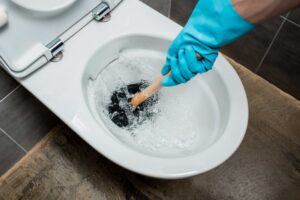 Toilets may overflow due to compromised sewer lines, resulting in unsightly conditions, disrupted routines, and emergency cleanups for homeowners. Preventive lining prevents repeated clogs, ensuring uninterrupted bathroom use and household comfort.
Septic leaks release noxious smells inside and outside the home, causing discomfort and unhealthy living conditions. Early repair/lining prevents odor buildup, keeps the area hygienic, and improves indoor air quality.
Water from leaking pipes seeps into floors, walls, or foundations, causing structural damage, mold growth, and necessitating expensive repairs. Timely lining preserves property and saves homeowners money on restoration work.
Standing wastewater or leaks cause bacterial growth, which is unhealthy. A properly lined sewer liner keeps the water flowing, reduces contamination, and protects your family’s health.
Sewer line problems cause washing machines, dishwashers, and sinks to malfunction, limiting daily chores. Appliances operate safely during preventive maintenance, ensuring no disruption to household tasks.
Chronic clogs, backups, and leaks cause frustration and inconvenience. Timely sewer lining eliminates stress by providing a low-maintenance plumbing system.
Sewer line damage resulted in sudden and expensive repairs. Preventive lining reduces emergency costs and provides homeowners with peace of mind and control over their budget.
The risks of ignoring clear warning signs of sewer problems lead to severe property damage, increased repair costs, and health hazards. Homeowners face higher long-term expenses and disruptions to their daily routines. Timely sewer lining protects the property, ensures system reliability, and prevents emergencies.
The following shows the risks of ignoring clear signs that your home needs sewer lining:
Leaks from compromised sewer lines spread throughout floors, walls, and ceilings, causing structural deterioration and resulting in costly repairs. Early lining prevents water infiltration, protecting home interiors and preserving household functionality.
Persistent leaks weaken a home’s foundation over time, leading to cracks, uneven settlement, and significant structural issues. Timely sewer lining safeguards foundational integrity and avoids complex, high-cost reconstruction projects.
Moisture from broken sewer lines fosters the growth of mold and mildew, creating health hazards such as respiratory issues and allergies. Preventive lining reduces damp conditions, maintaining a healthier indoor environment for residents.
Sewer leaks flood yards, erode soil, and damage gardens or lawns, thereby impacting both the aesthetic appeal and usability of outdoor spaces. Proper lining prevents repeated landscaping damage, saving homeowners time and money on restoration.
Homes with unresolved sewer issues tend to lose market value and may encounter difficulties during resale. Early sewer lining maintains home quality, protects investment, and ensures long-term property value stability.
Professionals inspect clear signs of sewer lines to prevent larger plumbing failures. Timely inspections protect the home’s plumbing system, reduce repair costs, and ensure the safe and reliable operation of the system. Early detection also preserves property value and avoids emergency disruptions.
These insights highlight how professionals inspect clear signs of sewer lining needs:
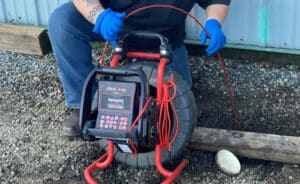 A tiny camera is inserted into pipes to detect cracks, blockages, and corrosion visually. This method pinpoints problems without digging and saves homeowners money on extensive disruption and repair work.
Pushing nontoxic smoke through sewer lines to reveal leaks, cracks, or illegal connections. It shows where airflow escapes, helping homeowners identify problems quickly to prevent sewage backflow or water damage.
Water or air is pumped into pipes to measure pressure integrity or to locate leaks and weak spots. This prevents future flooding and damage to lines.
Electronic locators map the sewer line route beneath the property and pinpoint problem areas. Homeowners benefit from minimal excavation and faster, more accurate repairs.
Nontoxic dye is flushed through drains to trace flow paths and locate blockages or leaks. It offers a cost-effective, safe method for confirming sewer problems and guiding efficient lining or repair.
Preventive care is essential for maintaining a healthy plumbing system and avoiding costly sewer lining repairs. Proactive maintenance protects pipes from damage, minimizes disruptions, and extends the life of the sewer system, saving homeowners time, stress, and money.
These points highlight what preventive steps help homeowners avoid sewer lining issues:
Periodic professional inspections catch minor problems, such as cracks, blockages, or root intrusions, early. This prevents minor issues from escalating into major sewer lining repairs, thereby protecting property and ensuring plumbing reliability.
Wipes, paper towels, and feminine hygiene products clog pipes, cause backups, and strain sewer lines. Proper disposal prevents blockages and premature pipe deterioration.
Tree roots invade sewer lines, causing cracks or blockages. Regularly trimming or monitoring trees near plumbing systems helps prevent root intrusion, thereby protecting the integrity of sewer lines and avoiding costly lining interventions.
Strainers capture hair, grease, and debris before they enter the pipes, reducing clogs and minimizing wear on the sewer system. This simple habit keeps wastewater flowing efficiently and prevents premature lining needs.
Addressing small leaks promptly prevents water damage, mold growth, and pipe erosion. Early repairs reduce long-term costs and protect the overall plumbing system from extensive sewer lining projects.
Preventive plumbing care extends the lifespan of your plumbing system, including regular sewer inspections, fixing minor leaks, using drain strainers, maintaining trees, and avoiding the flushing of non-degradable items, which significantly extends the lifespan of plumbing systems. Such steps prevent minor issues from escalating into major failures, thereby minimizing the need for repairs and property damage.
Addressing small leaks, blockages, and root intrusions protects the entire property from water damage, mold growth, and structural problems. Regular inspections catch early signs of sewer deterioration, ensuring pipes will remain functional and reliable for many years to come.
Small, consistent actions, such as maintaining drains, trimming nearby trees, and following disposal guidelines, reduce sewer line stress and prevent emergencies. Preventive measures are essential in areas with older homes or dense tree growth, as they keep plumbing systems safe and long-lasting while minimizing disruption to daily life.
For expert inspections, preventive maintenance, and trenchless sewer lining, contact Spartan Plumbing Inc. to schedule a visit and keep your plumbing system in reliable working condition.
Yes, regular sewer inspections are necessary to prevent major plumbing failures and detect early signs of pipe damage, blockages, or root intrusions. Earlier detection prevents expensive repairs, protects property, ensures consistent water flow, and supports long-term reliability of homeowners’ plumbing systems.
Yes, unpleasant odors in the home, linked to damaged sewer lines, cause leaks, cracks, or clogs in the sewer lines. Early detection saves property damage, reduces health risks, and prevents expensive repairs while maintaining a hygienic environment and protecting the plumbing system’s performance.
Yes, routine plumbing services, including inspections and cleaning, help prevent sewer line damage, blockages, and deterioration. Regular maintenance reduces the need for emergency repairs, prolongs the lifespan of the sewer line, and ensures consistent performance while safeguarding the home’s infrastructure.
The household items that should never be flushed after use include wipes, sanitary products, paper towels, grease, and chemicals. Avoiding these items prevents clogs, pipe damage, and costly repairs, maintaining long-term sewer line performance.
Yes, frequent inspections can help prevent significant sewer line damage by detecting early cracks, corrosion, and blockages. Proactive measures reduce costly repairs, prevent property damage, and maintain efficient water flow, thereby extending the life of sewer lining systems.
Yes, professional cleaning is better than DIY after sewer lining because it ensures debris removal without damaging the lining. Experts use safe techniques, prolong pipe lifespan, reduce repair risks, and maintain optimal sewer performance compared to DIY approaches.
No, a sewage backup is not necessarily a sign of sewer line damage; temporary clogs, heavy rain, or minor blockages also cause it. However, recurring backups indicate significant damage requiring inspection and possible sewer lining maintenance.
Yes, lined sewer pipes are long-lasting with proper maintenance, lasting 50 years or more. Regular inspections, avoiding clogs, and preventive maintenance help preserve integrity, reduce the need for repairs, and support long-term plumbing reliability.
The maintenance steps that help extend the lifespan of the system include scheduling inspections, avoiding non-degradable items, fixing leaks, using strainers, and maintaining net arbors to prevent damage. These steps protect pipes, minimize emergencies, and extend the lifespan of sewer linings while reducing repair costs.
Yes, sewer lining limitations can be reduced through preventive maintenance, such as regular inspections, cleaning, and proper usage. This reduces common sewer lining limitations, including blockages and root intrusion, and increases system longevity, reliability, and homeowner safety.
 Book Now!