Emergency Plumbing in Tacoma & Pierce County 24/7 Live Answer Free Second Opinion Quality Plumbing Services
Emergency Plumbing in Tacoma & Pierce County 24/7 Live Answer Free Second Opinion Quality Plumbing Services
Emergency Plumbing in Tacoma & Pierce County 24/7 Live Answer Free Second Opinion Quality Plumbing Services
Emergency Plumbing in Tacoma & Pierce County 24/7 Live Answer Free Second Opinion Quality Plumbing Services

Text Us: 253-231-7015
Call Us: 253-231-7015
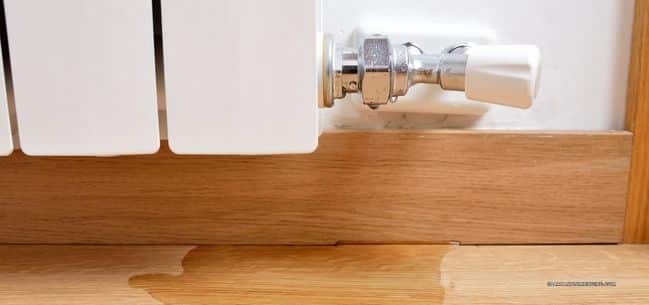
To catch a slab leak under your Tacoma home, watch for a warm spot on the floor, a water bill that climbs for no reason, weak water pressure, or the sound of running water when every faucet is off. A slab leak hides under concrete and only gets worse the longer it runs. The moment you spot these signs, call a licensed plumber to find and stop it before it damages your foundation.
A slab leak is a broken or corroded water line running under the concrete slab your home sits on. Because the pipe is buried, the water has nowhere to go but into the soil and up into your floors. That is what makes it one of the trickier plumbing problems a Tacoma homeowner can face.
 Plenty of homes across Tacoma sit on slab foundations, especially newer builds and additions in South Tacoma, while older Stadium District and Old Town houses often mix slab sections with crawl spaces. When a supply line under that slab fails, you usually feel the symptoms before you ever see the water. Knowing what to look for is half the battle.
At Spartan Plumbing Inc. (LIC #SPARTSI794OC), we have helped Pierce County families pinpoint hidden leaks since 1958, and we know how fast a small slab leak turns into a wet-floor emergency. If you suspect water is moving under your slab, our residential leak detection and repair team can locate it without guesswork.
Contact us today to locate a suspected slab leak before it becomes a wet-floor emergency.
Slab leaks rarely happen out of nowhere. Most trace back to a few predictable causes that build up quietly over years until a pipe finally gives way under your concrete.
The most common culprit is corrosion. Soil chemistry and water that sits slightly acidic or alkaline slowly thin the copper supply lines until a pinhole opens. Abrasion is another frequent cause, where a pipe rubs against the concrete, gravel, or rock around it every time hot water makes it expand and contract, wearing a weak spot over time.
Pressure and movement finish the job. High water pressure stresses every joint in your system, and small ground shifts common across Pierce County can nick or kink a line.
Older homes in neighborhoods like Old Town are especially prone because their original copper and galvanized lines have had decades to corrode. Once any of these weakens the pipe enough, water starts escaping under the slab.
You can usually catch a slab leak by paying attention to a handful of warning signs. None of them require tools, just a little awareness of how your home normally behaves.
Here are the signs Tacoma homeowners notice most often:
If you spot two or more of these together, treat it seriously. The signs only grow louder as the leak runs.
You can run one simple check at home before you ever pick up the phone. It will not tell you exactly where the leak is, but it confirms whether water is escaping somewhere in your system.
Start by turning off every water-using fixture and appliance in the house, including ice makers and irrigation. Then find your water meter, usually near the street, and watch the dial or leak indicator. If it keeps moving with everything shut off, water is leaking somewhere in your plumbing.
That test tells you a leak exists but not whether it sits under the slab, in a wall, or out in the yard. Pinpointing the exact spot takes professional equipment, because guessing means tearing into concrete you may not need to touch. We offer a free second opinion if another company has already told you to jackhammer your floor, so you never pay to open a slab you did not have to.
Not every slab leak floods your living room overnight, but some demand action right away. Knowing the difference helps you decide whether to schedule a visit or call for immediate help.
Treat it as urgent if you see standing water on the floor, a fast-rising water bill, a sudden drop in pressure across the house, or any sign the foundation is shifting, like sticking doors or new cracks. Hot water slab leaks can also raise your floor temperature enough to damage flooring and waste energy day and night. In these cases, the damage compounds by the hour.
Water under a slab does not drain away. It saturates the soil, undermines the concrete, and feeds mold, so a leak left alone for weeks costs far more than one caught early.
We answer the phone live 24/7, not with voicemail or a call center, so a Tacoma homeowner facing active water damage always reaches a real person. If your situation is escalating, our emergency plumbing service in Tacoma is ready around the clock.
Finding a slab leak the right way means locating it precisely before any concrete gets touched. A licensed Tacoma plumber inspects the line with specialized tools, then chooses the repair that fits your home and your slab. Here is how the work typically goes.
A licensed plumber uses acoustic listening equipment and pressure testing to hear and isolate the leak through the concrete. This pinpoints the exact spot so the repair stays small instead of guessing across the whole slab.
Once the leak is located, the simplest fix is opening a small section of concrete directly over it, repairing the pipe, and patching the slab. This works well when there is a single leak in an accessible spot and keeps disruption to a minimum.
When a line has failed in a hard-to-reach area, rerouting runs a fresh pipe around the slab instead of through it. This avoids breaking up large sections of floor and is often the cleaner choice for older Stadium District homes with tight layouts.
If the same corroded lines keep springing leaks, replacing the affected pipes altogether is the long-term answer. It costs more upfront but ends the cycle of repeat repairs on aging copper or galvanized plumbing.
We bring fully stocked trucks so most repairs wrap up in a single visit, and every job comes with a flat-rate written estimate before any work starts. You will know the price before we pick up a tool.
Cost is the first question most homeowners ask, and the honest answer is that it depends on where the leak sits and how the repair is done. Rather than a single number, it helps to understand what actually moves the price up or down.
Leak detection depends on how hard the leak is to isolate, since it relies on acoustic and infrared equipment to find the exact spot under the concrete. The repair itself is driven by how accessible the leak is, how much concrete has to be opened, the extent of the damage, and whether a simple spot repair will do or the line needs rerouting. A full reroute around the slab costs more than a single spot fix, especially when multiple leaks or a difficult slab are involved.
Every home is different, so the only reliable number comes from an on-site assessment. Your actual price depends on the leak location, the repair method, and any flooring or foundation work involved.
We handle slab leaks as part of our full residential plumbing services for Tacoma homes, and every customer gets a flat-rate written estimate upfront, with financing available so a slab repair does not have to wait. Our work is backed by a 100% satisfaction guarantee and a written warranty.
A slab leak will not fix itself, and every day it runs adds to the water bill, the soil damage, and the eventual repair cost. If you have noticed warm floors, climbing bills, or the sound of water with the taps off, the smart move is to have a licensed plumber confirm and locate it now rather than after the floor gives way.
At Spartan Plumbing Inc. (LIC #SPARTSI794OC), we have served Tacoma and Pierce County since 1958 with licensed, insured, background-checked technicians and a free second opinion on any major repair, and our reputation for slab leak repair in Tacoma speaks for itself. Call us today to find your slab leak before it finds your foundation.
A slab leak is serious because the water has nowhere to drain and instead saturates the soil under your foundation, which can lead to cracks, shifting, mold, and major structural damage if ignored. The longer it runs, the more it costs to repair, so early detection matters.
No, a slab leak never resolves on its own. The pipe is broken or corroded, so water keeps escaping and the damage keeps growing until a plumber locates and repairs the line. Waiting only increases the cost and the risk to your home.
You likely have a slab leak if you notice a warm spot on the floor, an unexplained spike in your water bill, low water pressure, the sound of running water with all fixtures off, or damp and warped flooring. Two or more of these signs together strongly suggest a leak under the slab.
Many policies cover the resulting water damage and the cost to access the leak, but not always the pipe repair itself. Coverage varies widely, so check your specific policy and document everything. A plumber can provide the written diagnosis your insurer may require.
Often yes. Rerouting runs a new pipe around the slab instead of through it, avoiding large floor demolition. The right method depends on the leak location and how many lines are affected, which is why precise detection comes first.
A slow slab leak can run for months before obvious signs appear, quietly raising your water bill and saturating the soil the whole time. That is why a sudden bill increase or a faint musty smell is worth investigating even when nothing looks wrong.
A warm spot on the floor is a strong indicator of a hot water slab leak, but radiant heating or a nearby hot water line can also cause it. Confirming the cause takes a meter test and professional leak detection to rule out other sources.
Ignoring a slab leak leads to foundation damage, mold growth, ruined flooring, wasted water, and far higher repair bills over time. What might be a modest spot repair early on can become a major foundation and rerouting job if left to run for months.
 Book Now!