Emergency Plumbing in Tacoma & Pierce County 24/7 Live Answer Free Second Opinion Quality Plumbing Services
Emergency Plumbing in Tacoma & Pierce County 24/7 Live Answer Free Second Opinion Quality Plumbing Services
Emergency Plumbing in Tacoma & Pierce County 24/7 Live Answer Free Second Opinion Quality Plumbing Services
Emergency Plumbing in Tacoma & Pierce County 24/7 Live Answer Free Second Opinion Quality Plumbing Services

Text Us: 253-231-7015
Call Us: 253-231-7015
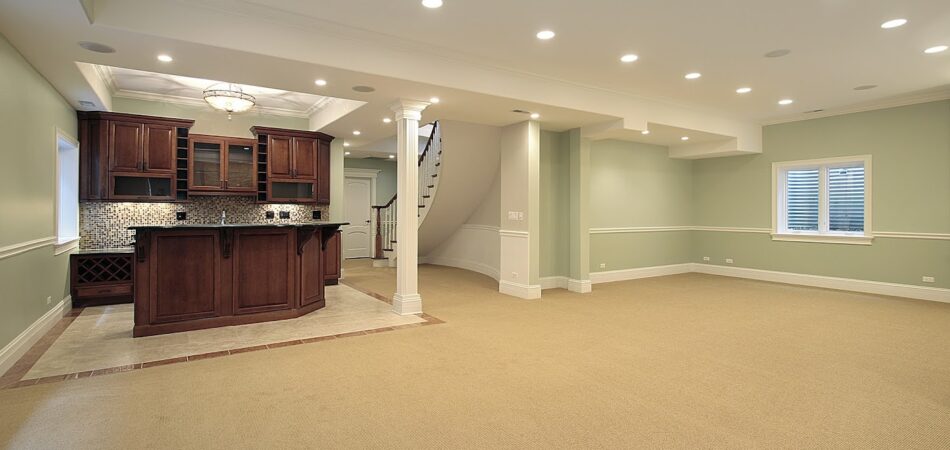
Basements are especially vulnerable to plumbing issues because they sit at the lowest point of the home. For homeowners in Tacoma, WA, and throughout Pierce County, basement plumbing problems are even more common due to the region’s heavy rainfall, damp climate, and aging residential infrastructure.
Many plumbing systems, including sump pumps, sewer connections, water heaters, and drainage pipes, are located in the basement or lower-level areas. When something goes wrong, water damage can spread quickly and create costly structural and health concerns.
Recognizing the warning signs early can help Tacoma homeowners prevent flooding, mold growth, sewer backups, and major plumbing repairs. Here are some of the most common basement plumbing issues homeowners experience in Tacoma homes.
Sump pumps are essential for protecting Tacoma basements from flooding and groundwater intrusion, especially during periods of heavy rain throughout Pierce County.
However, sump pump systems can fail for several reasons, including:
When a sump pump stops working properly, water can quickly accumulate in basement areas and lead to severe water damage.
Tacoma homes located in low-lying or flood-prone areas are particularly vulnerable during extended rainy seasons. Routine sump pump inspections and maintenance can help prevent emergency flooding situations.
If your sump pump has stopped working or isn’t keeping up, a few quick checks can tell you whether it’s a simple fix or something that needs a plumber:
A pump that’s more than 7-10 years old and failing repeatedly is usually more cost-effective to replace than keep repairing.
Because basements are located below the home’s main plumbing fixtures, sewer backups often appear there first.
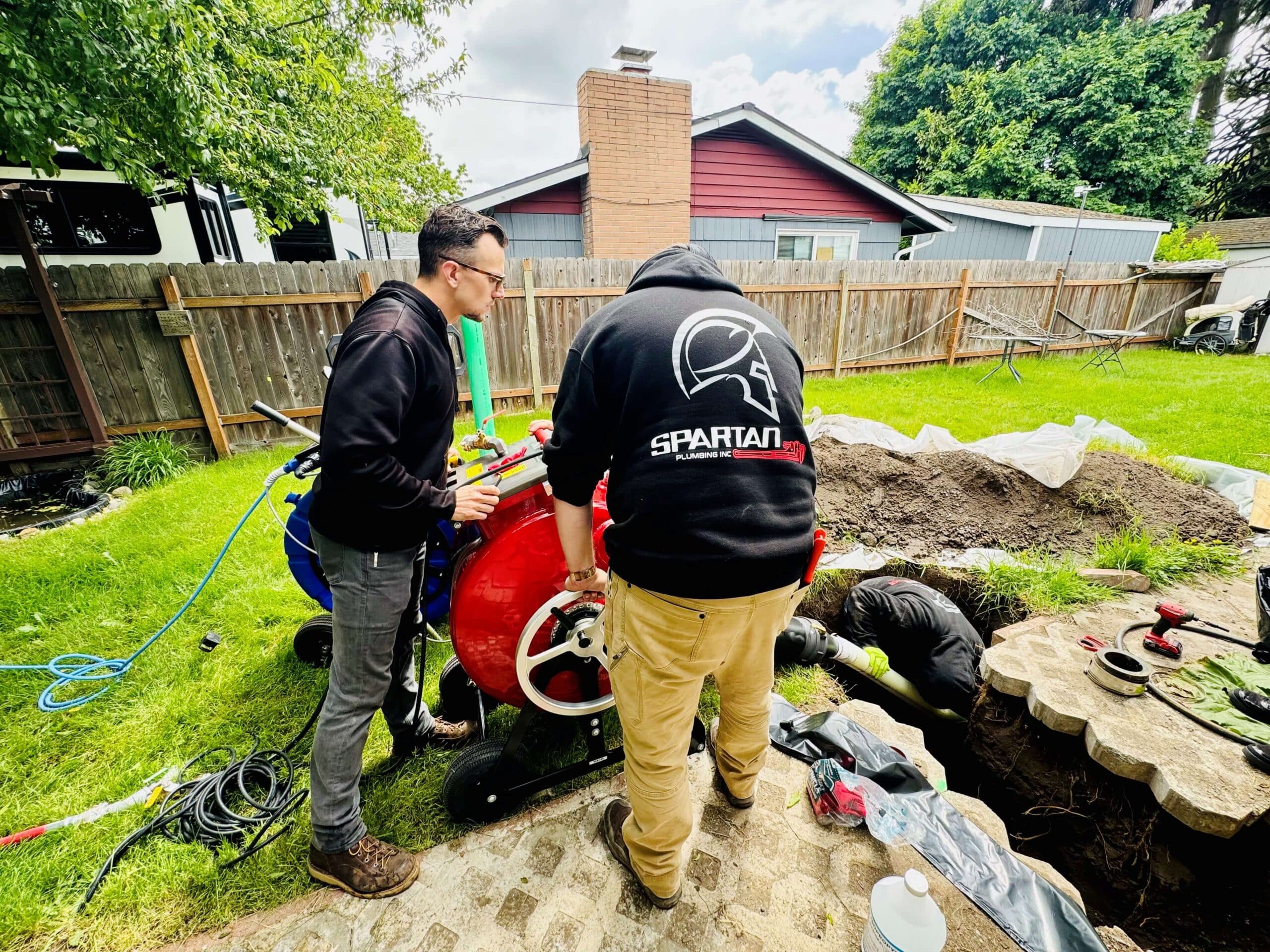 In Tacoma, aging sewer infrastructure, tree root intrusion, and heavy rainfall can place additional strain on residential drainage systems. When sewer lines become blocked or damaged, wastewater may back up into basement drains, tubs, or utility sinks.
Warning signs often include:
Sewer backups create serious sanitation and health risks for Tacoma homeowners and should be addressed immediately by a licensed plumber.
Many Tacoma homeowners keep plumbing appliances such as washing machines, water heaters, and utility sinks in their basements. While practical, this setup increases the risk of hidden leaks and plumbing failures in lower-level areas.
Common basement leak sources include:
Tacoma’s damp climate can make basement moisture issues even worse, increasing the likelihood of mold growth, wood rot, and structural deterioration if leaks are left unresolved.
Older Pierce County homes with galvanized or aging pipe systems are especially prone to basement plumbing leaks and hidden moisture damage.
Basement plumbing problems can quickly lead to flooding, water damage, mold growth, and expensive repairs if they aren’t handled early. Whether you’re dealing with a sump pump issue, sewer backup, or hidden basement leak, Spartan Plumbing is ready to help.
Contact Spartan Plumbing Inc. for expert basement plumbing inspections, repairs, and emergency plumbing services in Tacoma, WA, and surrounding Pierce County communities.
📞 Call or text: 253-231-7015
We proudly serve Tacoma and nearby areas, including:
Lakewood, Puyallup, Federal Way, Gig Harbor, Spanaway, University Place, Bonney Lake, Auburn, Fife, Fircrest, Sumner, Graham, Kent, Lacey, Olympia, Yelm, Buckley, Enumclaw, Dash Point, and JBLM.
 Book Now!