Emergency Plumbing in Tacoma & Pierce County 24/7 Live Answer Free Second Opinion Quality Plumbing Services
Emergency Plumbing in Tacoma & Pierce County 24/7 Live Answer Free Second Opinion Quality Plumbing Services
Emergency Plumbing in Tacoma & Pierce County 24/7 Live Answer Free Second Opinion Quality Plumbing Services
Emergency Plumbing in Tacoma & Pierce County 24/7 Live Answer Free Second Opinion Quality Plumbing Services

Text Us: 253-231-7015
Call Us: 253-231-7015

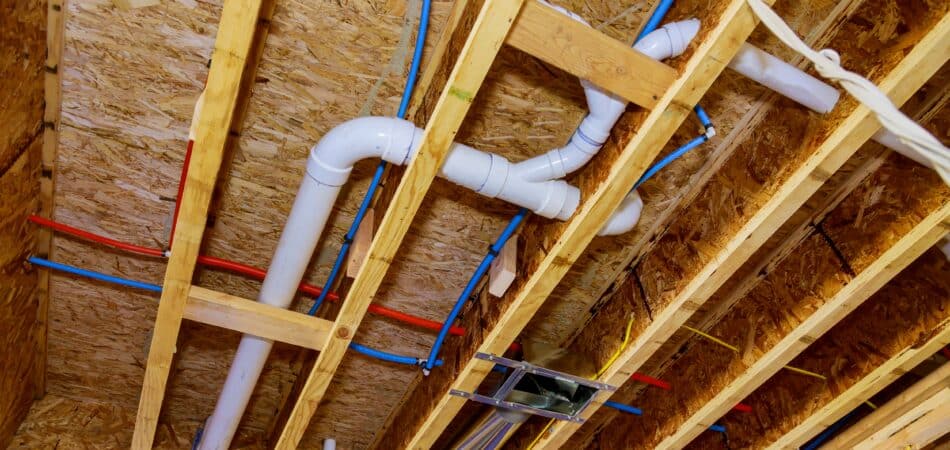
For Tacoma homes, each pipe material serves a different job. PEX is a flexible, freeze-resistant supply line; copper is the long-lived metal standard; and PVC handles drainage rather than pressurized water. The right choice depends on your home’s age, your budget, and where the pipe runs. Most older Tacoma houses pair PEX or copper supply lines with PVC drains.
Many of Tacoma’s older homes were built decades ago, and the plumbing inside them tells that story. In Tacoma’s established neighborhoods, the typical house is roughly 59 years old according to U.S. Census data, and a sizable share predate 1940, which means many still carry aging galvanized supply lines or cast iron drains. When those pipes start to fail in a Proctor District bungalow or a North End four-square, homeowners face a real decision about what to put back in the walls.
That decision matters because pipe material affects cost, lifespan, water quality, and how long your repipe holds up against our Pacific Northwest climate. Choosing the wrong material for the wrong job leads to early failures and repeat repairs. The good news is that the differences between PEX, PVC, and copper are clear once you see them side by side.
At Spartan Plumbing Inc. (LIC #SPARTSI794OC), we have helped Pierce County families weigh these choices since 1958, and we bring that experience to every residential plumbing repair across Tacoma. Contact us today to plan a repipe that fits your home, your budget, and the way your pipes run.
The fastest way to understand these three materials is to see how they compare on the factors that matter most: lifespan, cost, and what each one is actually used for. The table below summarizes verified industry ranges so you can scan the differences before we dig into each material.
These lifespan ranges come from industry data published by Angi and HomeAdvisor and reflect typical national figures, not a quote for your specific home. Your actual cost depends on the layout of your Tacoma house, how many fixtures you have, the material you choose, and how easy your pipes are to reach. Use this as a starting frame, then read on for how each material behaves in our local conditions.
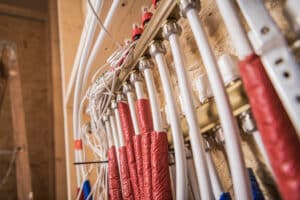 PEX, short for cross-linked polyethylene, has become the go-to supply line for repipes and new construction across Pierce County. It is flexible enough to snake through finished walls with fewer holes, which keeps labor down and reduces the mess in an occupied home. For older Stadium District houses with tight, irregular framing, that flexibility is a genuine advantage.
PEX expands rather than cracks when water inside it freezes, which makes it more forgiving than rigid pipe during a Pacific Northwest cold snap. That does not make any pipe freeze-proof, but it lowers the odds of a burst in an unheated crawlspace. For homes with exposed runs under the floor, this matters more than most homeowners expect.
Because PEX runs in long, continuous lengths with fewer fittings, a whole-home repipe usually means fewer connection points where leaks can start later. Fewer wall openings also means less drywall repair afterward. Many of our customers choose PEX specifically to keep a repipe contained to one or two visits.
PEX is generally the most economical of the three materials to install. The savings come from both cheaper material and faster labor, since flexible runs need fewer fittings and less cutting. For a homeowner facing a full repipe in an older home, that difference can be substantial across hundreds of feet of pipe.
PEX breaks down under direct sunlight, so it is not used for outdoor exposed runs without protection. Rodents in an infested crawlspace have also been known to chew it, which is worth knowing in older homes with gaps in the foundation. When we inspect a property, we flag any spot where PEX would need shielding before we install it.
 Copper has been the trusted standard for water supply lines for generations, and plenty of Tacoma homeowners still prefer it. It carries a long track record, a clean look on exposed runs, and natural antimicrobial properties that help limit bacterial growth inside the pipe. For a homeowner planning to stay in a Proctor District home for the long haul, that durability is appealing.
The headline number is lifespan: copper typically lasts 50 to 70 years under normal conditions, the longest of the three materials, and well-installed copper has been known to outlast the homeowners who put it in. It also holds up against UV exposure, so it works for outdoor and exposed applications where PEX would degrade. When you want a material you may never have to think about again, copper makes a strong case.
The trade-offs are cost and behavior in the cold. Copper is the most expensive of the three, noticeably more than PEX, partly because it is slower and more labor-intensive to fit around corners. It can also crack or burst if water freezes inside it, and thinner copper can corrode and begin leaking sooner than its best-case lifespan suggests. We help homeowners weigh whether that premium is worth it for their specific situation and budget.
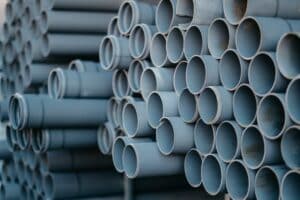 PVC, or polyvinyl chloride, fills a different role than the other two, since it is not designed for pressurized hot and cold supply lines. Instead, it shines in the drain, waste, and vent side of your plumbing, where its smooth interior moves wastewater efficiently and resists the rust and corrosion that plague old cast iron. In many Tacoma homes, replacing failing cast iron drains with PVC is a meaningful upgrade.
Here is where each material typically lands in a home plumbing system:
PVC drain lines generally last 25 to 40 years and the material itself is inexpensive. The catch is heat: PVC is not made for high-temperature water, which is one reason it stays on the drainage side rather than the supply side. Because the joints are solvent-welded rather than soldered, a clean PVC drain install also tends to go faster than swapping cast iron section by section.
In a Stadium District home with original cast iron stacks, that speed and corrosion resistance can turn a recurring drainage headache into a one-time fix. For many local homeowners, the most practical upgrade is not choosing PVC over copper or PEX, but replacing brittle, corroded cast iron drains with PVC while keeping the right supply material on the other side of the system. Knowing which material belongs where is exactly the kind of judgment that separates a lasting residential plumbing system from one that fails early.
The honest answer is that the best material depends on the job, not on a single winner. For most supply-line repipes in Tacoma, PEX offers the best balance of cost, freeze tolerance, and fast installation, while copper remains the premium pick for homeowners who want maximum lifespan or have exposed runs that need UV resistance. PVC is the right call for drain and vent replacements, not for pressurized water.
Your home’s age and existing pipes also shape the decision. A North End house with original galvanized supply lines and cast iron drains may need both a supply repipe and a drain upgrade, and the right plan often mixes materials by application. There is no single answer that fits every Tacoma home, which is why a real inspection matters more than a rule of thumb.
Before we recommend anything, a licensed plumber inspects the lines and the layout so the proposal fits your actual home, not a generic template. We also offer a free second opinion if another company has already given you a quote and you want to be sure it is fair. Our trucks are fully stocked, so once a plan is set, most repairs are handled in a single visit rather than dragging across multiple appointments.
Choosing a pipe material is really about matching the right product to the right job, your budget, and how long you plan to stay in the home. When you understand that PEX, copper, and PVC each solve different problems, the recommendation your plumber makes should make sense rather than feel like a sales pitch.
In an older Tacoma home, the smartest plan often pairs a freeze-tolerant supply repipe with a corrosion-proof drain upgrade, each using the material built for that job. The goal is a system that quietly works for decades, not one you revisit every few years, which is the standard we hold ourselves to on every one of our repiping services in Tacoma.
At Spartan Plumbing Inc. (LIC #SPARTSI794OC), we have served Tacoma and Pierce County since 1958 with flat-rate, upfront pricing and a written estimate before any work begins, so you know the number before we start. Call us today to talk through the best pipe material for your home, and we will walk you through your options.
For most supply-line repipes, PEX is the better all-around choice in Tacoma because it costs less, installs faster, and resists freezing better than rigid pipe. Copper still wins when you want maximum lifespan or need UV-resistant exposed runs.
PEX typically lasts 40 to 50 years, copper lasts 50 to 70 years, and PVC drain lines last about 25 to 40 years. Real-world lifespan depends on water quality, installation, and the type of pipe used.
No, standard PVC is not made for pressurized hot and cold supply lines and can degrade under high-temperature water. PVC is used for drain, waste, and vent lines, where its smooth, corrosion-resistant interior performs well.
Yes, PEX is widely approved and used for potable water supply lines in homes across Pierce County. It is corrosion-resistant, which helps maintain steady water quality over the life of the pipe.
Copper costs more because the material itself is pricier and it is slower and more labor-intensive to install, since it must be cut and fitted rigidly around every corner. PEX runs in flexible, continuous lengths with fewer fittings, which lowers labor.
Not always, though a full repipe is often more cost-effective than repeated spot repairs in homes with widespread galvanized or cast iron failure. A licensed plumber inspects the lines and helps you decide between targeted repairs and a complete repipe.
Tacoma water is moderately soft, so aggressive hard-water scaling is not the main concern here. The bigger local factors are home age, aging galvanized and cast iron lines, and freeze protection for exposed crawlspace runs.
Common signs include discolored water, low pressure, recurring leaks, and visible corrosion on exposed lines, all of which are more frequent in older Tacoma homes. The most reliable way to confirm is to have a plumber evaluate your pipe installation and repair needs in person.
 Book Now!