Emergency Plumbing in Tacoma & Pierce County 24/7 Human Support Free Second Opinion Quality Plumbing Services
Emergency Plumbing in Tacoma & Pierce County 24/7 Human Support Free Second Opinion Quality Plumbing Services
Emergency Plumbing in Tacoma & Pierce County 24/7 Human Support Free Second Opinion Quality Plumbing Services
Emergency Plumbing in Tacoma & Pierce County 24/7 Human Support Free Second Opinion Quality Plumbing Services

Text Us: 253-231-7015
Call Us: 253-231-7015

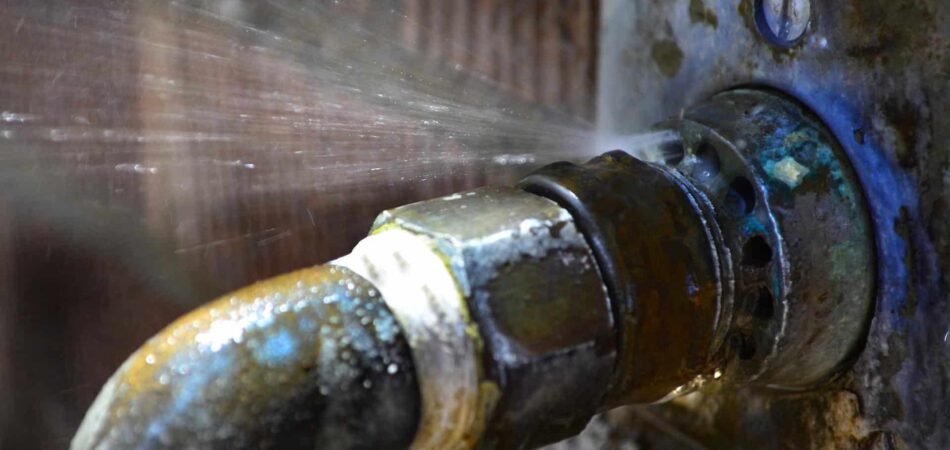
Slab leaks are serious plumbing problems that occur when pipes beneath your home’s concrete foundation start leaking. They can lead to high water bills, warm spots on floors, low water pressure, and, if left untreated, structural damage, mold growth, or foundation issues. Homeowners should watch for warning signs such as unexplained increases in water usage, the sound of running water when all fixtures are off, or damp spots on floors. Early detection using professional tools like acoustic sensors and thermal imaging is essential for cost-effective repairs, which can range from minor fixes to major repiping.
Slab leaks are one of the more common—and costly—plumbing problems facing Tacoma, WA homeowners, especially in older Pierce County homes where aging pipes are still doing the work they’ve done for decades. Left undetected, they cause structural damage, mold growth, and skyrocketing water bills.
If you suspect a slab leak in your home, Spartan Plumbing Inc. offers expert detection and repair services to safeguard your property. Contact us today for an assessment!
Here’s what Tacoma homeowners need to know about slab leaks, from warning signs to repair options.
A slab leak occurs when water pipes beneath your home’s concrete foundation develop cracks or corrosion, allowing water to escape into the slab.
Slab leaks are caused by several factors:
Because these pipes are hidden beneath concrete, finding leaks requires specialized equipment like electronic leak detectors or thermal imaging. Understanding the potential causes helps homeowners prevent leaks before they escalate.
In Tacoma and Pierce County, slab leaks are especially common in homes built before the 1980s—many of which still have copper or galvanized steel pipes that are 40 to 70+ years old. If your home was built before 1990 in neighborhoods like the North End, Hilltop, South Tacoma, or Stadium District, a professional slab leak inspection is worth knowing about.
Slab leaks are often subtle, but several indicators can alert you to their presence before major damage occurs.
 Common signs include:
Tacoma homeowners should pay close attention to unexplained water bill spikes—Tacoma Water bills by usage, and a slab leak can drive costs up without a faucet running. Warm spots on floors in older homes are also a reliable early warning sign of a hot water line leak.
While a single symptom may not confirm a leak, multiple signs together strongly suggest professional inspection is needed. Early detection saves homeowners from costly structural damage.
If left untreated, slab leaks can cause structural damage, mold growth, health risks, and decreased property value.
Key dangers include:
These risks highlight why ignoring a slab leak can have serious long-term consequences. Professional intervention is critical for both safety and property preservation.
In Tacoma’s wet climate, moisture trapped beneath a slab can trigger active mold growth quickly, a serious concern for families with children, seniors, or anyone with respiratory sensitivities. Pierce County homes with a history of basement or crawlspace flooding are especially vulnerable.
Professional plumbers use advanced equipment to locate leaks quickly and accurately without unnecessary destruction to your home.
Detection methods include:
DIY detection methods are often unreliable and can delay repairs, worsening damage. Hiring a professional ensures leaks are found and repaired efficiently.
Spartan Plumbing Inc. uses electronic leak detection and thermal imaging to locate slab leaks in Tacoma homes without unnecessary digging or disruption. A professional inspection gives you a clear picture of what’s happening beneath your foundation before any repair decisions are made.
While some slab leaks are unavoidable, regular maintenance and early precautions can reduce the risk.
Preventative measures include:
Being proactive can significantly reduce the likelihood of a costly slab leak.
For Tacoma homeowners with older copper or galvanized pipes, pipe age is the primary risk factor. Spartan Plumbing’s membership plan includes an annual full-home plumbing inspection, priority scheduling, and a 10% discount on all services for the duration of your membership.
Slab leaks are complex, hidden issues that require specialized tools and expertise. DIY repairs often worsen the problem or damage your foundation.

Professional plumbers, like those at Spartan Plumbing Inc., can:
Since 1958, Spartan Plumbing Inc. has diagnosed and repaired slab leaks across Tacoma’s older neighborhoods, from the North End bungalows to mid-century homes in Lakewood and Spanaway. We provide written estimates before any work begins and back every repair with a 100% satisfaction guarantee.
Attempting a DIY repair may seem cost-effective, but it can lead to more expensive structural or water damage down the line.
Repairs depend on the severity and location of the leak but generally involve either pipe rerouting, epoxy pipe lining, or slab cutting.
Repair options include:
A professional assessment ensures the best method is chosen to protect your foundation and restore your plumbing system efficiently.
In older Pierce County homes where slab cutting would damage original hardwood floors or tile, pipe rerouting is often the preferred approach. We will walk you through all your options with a written estimate before any work begins.
Take action immediately to prevent further damage.
Steps to follow:
Acting early protects your home, health, and finances.
Slab leaks don’t fix themselves—and the longer they go unaddressed, the more damage they cause. Spartan Plumbing Inc. has been detecting and repairing slab leaks for Tacoma and Pierce County homeowners since 1958. We use advanced detection tools, provide written estimates before any work begins, and back every job with a 100% Satisfaction Guarantee.
We offer 24/7 emergency plumbing, free second opinions, and up-front pricing on every job. Call or text us today: 253-231-7015.
Yes. Water leaking beneath the concrete slab can soften subfloor materials, causing carpets, tiles, or hardwood to warp, buckle, or feel uneven.
Slab leaks can escalate quickly, sometimes within weeks, depending on water pressure, soil type, and pipe material. Early detection is key to preventing major damage.
Homes with older plumbing systems, copper pipes, or high water pressure are at higher risk.
Slab leaks usually present with floor moisture, warm spots, or elevated water bills, while roof leaks cause water stains on ceilings or walls and are weather-dependent.
You can shut off the main water supply to prevent further flooding, but this is a temporary measure. Professional repair is essential to fully resolve the leak.
 Book Now!