Emergency Plumbing in Tacoma & Pierce County 24/7 Live Answer Free Second Opinion Quality Plumbing Services
Emergency Plumbing in Tacoma & Pierce County 24/7 Live Answer Free Second Opinion Quality Plumbing Services
Emergency Plumbing in Tacoma & Pierce County 24/7 Live Answer Free Second Opinion Quality Plumbing Services
Emergency Plumbing in Tacoma & Pierce County 24/7 Live Answer Free Second Opinion Quality Plumbing Services

Text Us: 253-231-7015
Call Us: 253-231-7015
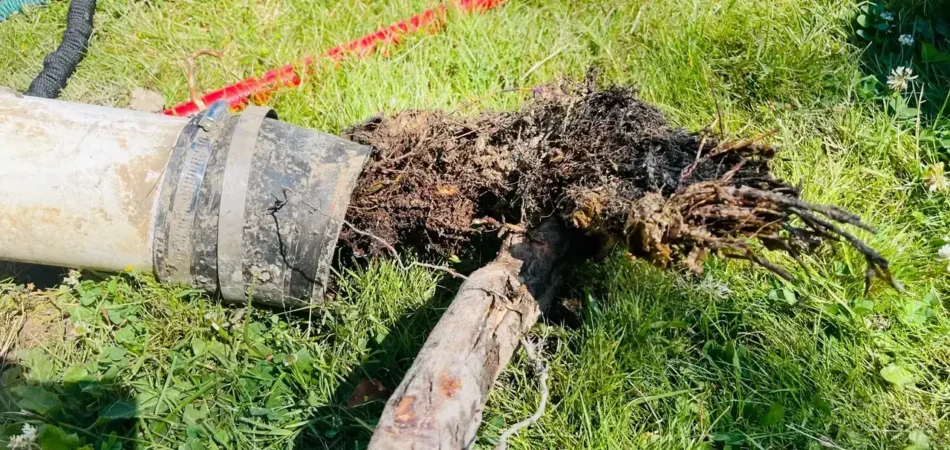
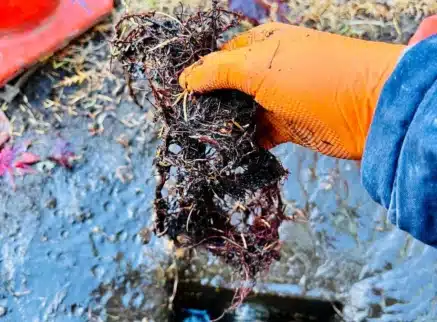
Tree roots get into Tacoma pipes through loose joints and hairline cracks in older clay and cast iron sewer lines, drawn by the moisture inside. Once in, fine roots thicken into masses that catch debris and slow drainage. Left alone, they widen those gaps, crack pipe walls, and can cause a full backup in an older Tacoma home.
A drain that clears, then clogs again a few weeks later, is a familiar complaint from Tacoma homeowners with big trees in the yard. In many of those homes, roots have found a way into the sewer line and grow back every time the clog is cleared.
In older neighborhoods like the North End and the Proctor District, many mature trees grow near sewer lines laid decades ago in clay or cast iron. Those older joints are the weak point roots look for, and a slow drain that keeps returning is often the first sign they have found one.
At Spartan Plumbing Inc., we have helped Pierce County homeowners since 1958 as a licensed and insured local team, and we trace recurring clogs back to their source. Ask our team about root intrusion in your Tacoma sewer line.
A clay or cast iron sewer line is not one sealed tube. It is a run of short sections joined end to end, and in older parts of Tacoma and Pierce County those joints have had decades to loosen.
 Roots grow toward water and nutrients, and a leaking sewer joint offers both. Warm water inside the pipe gives off vapor into the cooler soil around it, and roots grow toward that moisture, according to EPCOR.
Tacoma averages about 40 inches of rain a year, based on NOAA climate data.
Once a root tip finds that moisture at a joint, it keeps growing toward it. One small leak is enough to start.
That is why the condition of the pipe matters as much as how close the tree stands. A line with tight joints gives roots far less moisture to find than one with old, loosened seams.
Clay sewer pipe laid before World War II was commonly joined with oakum or cement mortar, according to the National Clay Pipe Institute, and those joints break down with age. Over decades, settling soil can stiffen and crack old pipe joints, which opens even more gaps.
Roots slip through those hairline gaps as fine threads, then thicken once they are inside. A shifted section, a poorly sealed repair, or a slightly offset joint gives them an even easier way in.
Roots usually enter through an opening that is already there, then enlarge it as they grow.
The median Tacoma home was built around 1968, and more than a quarter of local homes were built before 1940, according to U.S. Census Bureau data. Homes of that age in the North End, Hilltop, and Old Town went up when clay and cast iron were the standard sewer materials.
Cast iron also corrodes from the inside over the years, and each thin spot is another place for a root to work in. Clay sections keep their original joints unless the line has been repaired.
If nobody knows when your sewer line was last replaced, it is worth finding out what the pipe is made of.
The bigger and thirstier the tree, the more aggressive its roots tend to be. These species come up most often:
In a South Tacoma or Proctor District yard, the condition of the pipe matters as much as the species.
Roots cause more than half of all sewer blockages, according to the USDA Forest Service, and the EPA lists grease and tree roots as primary causes of sewer blockages. Inside the pipe, roots form fibrous masses that snag debris and slow drainage until flow stops.
As roots thicken, they widen the gaps they entered through and can crack pipe walls, which lets in more roots and soil. Left alone, a partial blockage in a Tacoma sewer line can turn into a full backup.
The most reliable early clue is a clog that keeps returning to the same drain, often alongside gurgling toilets or several fixtures slowing at once. At that point, drain cleaning in Tacoma should include a look at the source.
When symptoms point to roots, we inspect the line and locate where roots are entering and how far the damage extends. We then clear the line so water flows again, and the right method depends on how dense the root mass is and how sound the pipe is.
| Method | What Affects the Cost | Best For |
|---|---|---|
| Mechanical cabling (snaking) | Cleanout access and how dense the root mass has grown | Restoring flow through a single root clog |
| Hydro-jetting | Severity of the buildup and the length of line to scour | Heavier root masses and wall buildup |
| Sewer lining (CIPP, cured-in-place pipe) | Length of line to be lined and the condition of the host pipe | Sealing joints and cracks in a sound pipe |
| Pipe replacement or bursting | Length of the failed run, dig depth, and yard or hardscape access | Collapsed or badly broken sections beyond repair |
Pipe condition, line length, and how much access the work needs move the price far more than the method name alone. If you want to see the inside of the pipe for yourself, we also offer a sewer line camera inspection in Tacoma as a separate service.
Clearing restores flow, but it does not close the gap the roots came through. The USDA Forest Service notes that root-clogged lines often need clearing again every year or every other year.
For a clay or cast iron line that is still structurally sound, trenchless sewer lining in Tacoma seals the joints and cracks roots used as entry points, often without digging up the yard. Where a section has collapsed or broken apart, replacing that run is the more durable answer.
You get an upfront written estimate before any work begins, so you know the scope before choosing between lining and replacement.
When gurgling, slow drains in several fixtures, or a soggy patch over the line show up, have the line checked before roots crack the pipe further. For homeowners who need sewer line repair in Tacoma, we explain what we find and give an upfront written estimate before any work begins.
At Spartan Plumbing Inc., we have served Tacoma and Pierce County since 1958 with licensed and insured technicians and 24/7 human support. Talk to one of our plumbers at 253-231-7015 about a recurring drain or sewer problem.
Yes. Roots enter through existing joint gaps and hairline cracks in older clay or cast iron pipe, drawn by the moisture and nutrients inside. Once a fine root thread slips through an opening, it thickens and branches into a mass that blocks flow and widens the original gap over time.
The clearest sign is a clog that keeps returning to the same drain after every clearing. Gurgling toilets, slow drainage across several fixtures, sewage odors in the yard, and soggy green patches along the path of the line all point to roots, especially in older Tacoma homes with mature trees nearby.
Often, yes. Cabling or hydro-jetting removes the current root mass and restores flow, but if the entry point is not sealed or repaired, roots grow back toward the same opening, often within a year or two. Lining or replacing the damaged section addresses the cause.
Farther than most homeowners expect. EPCOR notes that tree roots can extend up to 2.5 times the height of the tree, so a large maple or cottonwood across a Tacoma yard can still reach the sewer line. Distance matters less than the pipe itself, since roots get in where a joint or crack lets moisture escape.
The cost depends on how easy the line is to reach, how dense the root mass has grown, and whether cabling or hydro-jetting is the right method. Costs climb when the pipe needs lining or replacement after clearing. An upfront written estimate for your Tacoma line gives you a real number before work begins.
Foaming root killers can slow regrowth for a while, and a store-bought auger may punch through a small clog, but neither clears an established root mass or repairs the opening the roots used to get in. That opening keeps leaking moisture, so the problem returns until the pipe itself is fixed.
Poplar, cottonwood, and willow are the usual culprits, along with maples, including the bigleaf maple with its shallow, spreading root system. Birch, elm, and ash can also reach sewer lines. In Tacoma, even a tree several yards from the line can cause trouble if a joint is leaking.
It depends on the condition of the pipe. If the line is still structurally sound and only its joints and cracks let roots in, trenchless lining seals it without major digging. If a section has collapsed or broken apart, replacement is the more durable fix. Inspecting the line shows which option fits.
 Book Now!