Emergency Plumbing in Tacoma & Pierce County 24/7 Live Answer Free Second Opinion Quality Plumbing Services
Emergency Plumbing in Tacoma & Pierce County 24/7 Live Answer Free Second Opinion Quality Plumbing Services
Emergency Plumbing in Tacoma & Pierce County 24/7 Live Answer Free Second Opinion Quality Plumbing Services
Emergency Plumbing in Tacoma & Pierce County 24/7 Live Answer Free Second Opinion Quality Plumbing Services

Text Us: 253-231-7015
Call Us: 253-231-7015
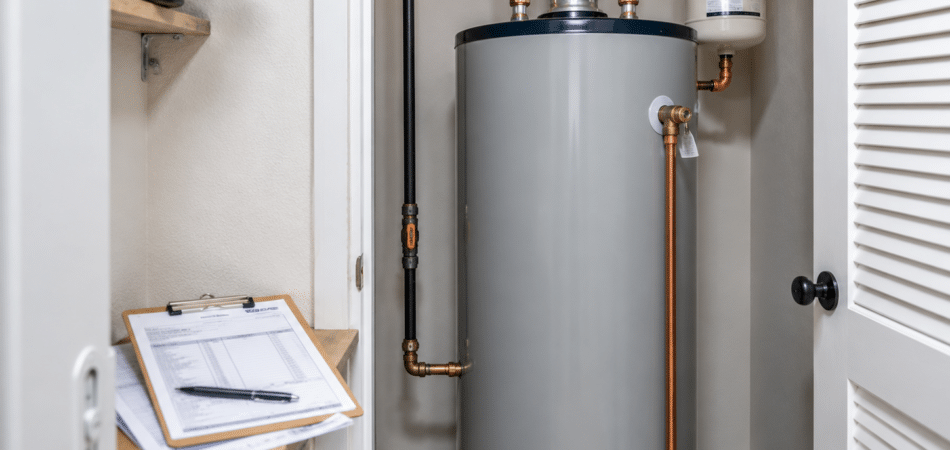
In Tacoma, replacing a water heater has no flat rate, because the cost depends far more on your home than on the unit alone. A basic like-for-like tank swap sits at the low end, while heat pump and tankless models cost more upfront and often need new venting, gas, or electrical work. Your final price depends on the unit type you pick, the condition of your existing gas, water, and electrical hookups, and whether the install needs new venting or a permit.
Replacing a water heater is one of the more predictable plumbing expenses a Tacoma homeowner will face, yet the price range is wide enough to cause real confusion. A simple tank swap and a full tankless conversion can differ widely, and the difference is not always obvious from a quick online quote.
Knowing what drives the cost helps you budget without guessing, and it helps you tell a fair quote from an inflated one. Tacoma housing makes this especially worth thinking through.
The median local home was built around 1967 according to Census data, and many houses in neighborhoods like the Stadium District and Old Town still carry older supply lines and tight utility closets that affect how a new unit is installed. An accurate estimate has to account for what is already in the wall, not just the price tag on the heater itself.
At Spartan Plumbing Inc. (LIC #SPARTSI794OC), we have helped Pierce County families size and replace water heaters since 1958, so we have seen how local home age shapes the real cost. When you are weighing a straight replacement against an upgrade, our Tacoma water heater repair and replacement team can walk you through the numbers before anything is removed. Contact us today to get a real replacement number for your home.
The single biggest cost driver is the type of unit you choose. A like-for-like tank replacement sits at the low end, while tankless and heat pump models cost more upfront but change your monthly energy use. The table below reflects what drives the cost for each unit type, not a Spartan quote, so use it to weigh the trade-offs rather than as a fixed figure.
Hilltop and Old Town homes often have older 40- to 50-gallon gas tanks, which keeps a basic swap toward the lower end. Conversions cost more because they may need new venting, gas, or electrical work. Here is how the main categories compare.
These categories cover the unit plus standard installation. Where your real cost lands depends on the labor and code factors covered in the next sections, which is why a written estimate beats any over-the-phone quote.
A larger household that drains hot water fast may also justify a larger unit, and that sizing choice shifts the price as much as the fuel type does. Matching the unit to the home is part of getting the number right.
Two homes can buy the same water heater and pay very different totals once the install is figured in. The heater is only part of the job, and the connections behind it often decide the bill. This is where older Tacoma homes add cost that a generic calculator never shows.
The most common factors that move the price are worth understanding before you call for an estimate:
 Fuel or power conversion: Switching from electric to gas, or tank to tankless, may require new gas lines, venting, or an electrical circuit.
Each of these adds to the base price, and several stacked together explain why two neighbors get very different quotes for the same heater. The condition of the surrounding plumbing matters just as much as the unit itself, and that only becomes clear once a technician looks at the actual hookups.
An upfront written estimate lets you see every line item before work begins, so there are no surprises after the truck arrives. Our technicians are licensed, insured, and background-checked, and our trucks are stocked to finish most replacements in a single visit.
Yes. Pierce County requires a plumbing permit to replace a water heater, even when the new unit goes in the same spot as the old one. For residential properties, the permit can be pulled online and is typically issued right after payment, which keeps the timeline short.
There is a second layer most homeowners do not expect. Washington L&I regulates water heaters as pressure vessels, and the installer is responsible for a separate state installation permit. A licensed plumber handles both permits as part of the job, so you are not left navigating county and state paperwork on your own.
Skipping the permit can cause problems later. An unpermitted water heater can complicate a home sale or an insurance claim, and it may not meet current code for expansion tanks or venting. Pulling the permit protects the work and your home’s record, which matters in established neighborhoods where inspections are common.
The permit also triggers an inspection that confirms the install is safe. For gas units, that means proper venting and combustion air, and for every unit, it means correct seismic strapping and a working expansion tank. Those checks exist because a poorly installed heater can fail in ways that are expensive and dangerous, so the small permit cost buys real peace of mind.
Lifespan helps you decide whether to spend more upfront. A standard tank water heater typically lasts 8 to 12 years, while a well-maintained tankless unit can run 15 to 20 years or more. Heat pump and hybrid models generally fall in the 10 to 15 year range with routine care.
Tacoma has one quiet advantage here. Our regional water is soft rather than hard, which means less mineral scale builds up inside the tank and on heating elements over time. That tends to be easier on equipment than the heavy hard-water scaling seen in many parts of the country.
Maintenance still matters for getting full value from the investment:
A unit that is flushed and checked on schedule reaches the top of its expected lifespan more often than one that is ignored. Routine service is far cheaper than an early replacement, and it keeps the unit running efficiently between visits. Catching a worn anode rod or a slow valve early can add years to a tank you might otherwise replace too soon.
A higher upfront price does not always mean a higher real cost. Rebates and tax credits can close much of the gap on efficient units, and they are worth checking before you commit to a basic tank by default.
Tacoma Public Utilities offers a rebate to Tacoma Power customers who replace a standard electric tank with a qualifying hybrid model, and it does not require pre-approval or a specific contractor. That rebate can make a heat pump water heater installation more competitive with a basic tank on net cost, while cutting monthly electric use. Pairing the rebate with the lower operating cost shifts the math for many South Tacoma and Old Town homeowners.
When the replacement is unplanned, spreading the cost helps. We offer flexible plumbing financing options so a failed water heater does not force a rushed decision on a cold morning.
Financing lets you choose the right unit for the long term instead of defaulting to the cheapest tank because of timing. Between utility rebates, financing, and a free second opinion on any quote you already have, there are several ways to keep the project manageable, and senior and military homeowners also receive a five percent discount on the work.
The best water heater is the one that fits your household size, your home’s connections, and your budget over the next decade, not just the cheapest unit on the shelf. A basic tank makes sense for many like-for-like swaps, while a heat pump or tankless upgrade pays off for homeowners who plan to stay and want lower energy use.
Getting an in-home assessment is the only way to price the job accurately, because the connections and code upgrades behind the wall vary so much from one Tacoma home to the next. A quick look at your current setup answers most of the cost questions in minutes.
At Spartan Plumbing Inc. (LIC #SPARTSI794OC), we have handled water heater replacement in Tacoma for Pierce County homes since 1958, and our upfront written estimates and written warranty mean you know the full cost before we start. Call us today to schedule your water heater assessment and get a real number for your home.
A water heater replacement has no flat rate, because the unit type and your home’s existing connections drive the price. A basic like-for-like tank swap sits at the low end, while tankless and heat pump units cost more upfront depending on the model and whether new venting, gas, or electrical work is needed. An on-site assessment is the only way to get an accurate number.
Repair usually makes sense if the unit is under eight years old and the problem is a single part like a thermostat or element. Once a tank is past 10 years or leaking from the bottom, replacement is almost always the better value.
A standard tank water heater typically lasts 8 to 12 years, while a tankless unit can last 15 to 20 years or more with regular maintenance. Heat pump models generally last 10 to 15 years.
Yes. Pierce County requires a plumbing permit for water heater replacement, and Washington L&I requires a separate state installation permit. A licensed plumber pulls both as part of the job.
For households that use a lot of hot water or plan to stay long term, a tankless unit can pay back its higher upfront cost through lower energy use and a longer lifespan. For a simple short-term replacement, a standard tank is often the better value.
No. Tacoma’s water is soft rather than hard, so it produces less mineral scale than the hard water found in many regions. Annual flushing still helps any unit reach its full expected lifespan.
Yes. Tacoma Public Utilities offers a rebate to Tacoma Power customers who replace a standard electric tank with a qualifying hybrid water heater, with no pre-approval required. That rebate can make an efficient model more competitive with a basic tank once it is applied.
A like-for-like tank swap is usually done in a single visit of a few hours, since our trucks are fully stocked with common units and parts. Conversions to tankless or heat pump models take longer because of new venting, gas, or electrical work.
 Book Now!