Emergency Plumbing in Tacoma & Pierce County 24/7 Human Support Free Second Opinion Quality Plumbing Services
Emergency Plumbing in Tacoma & Pierce County 24/7 Human Support Free Second Opinion Quality Plumbing Services
Emergency Plumbing in Tacoma & Pierce County 24/7 Human Support Free Second Opinion Quality Plumbing Services
Emergency Plumbing in Tacoma & Pierce County 24/7 Human Support Free Second Opinion Quality Plumbing Services

Text Us: 253-231-7015
Call Us: 253-231-7015
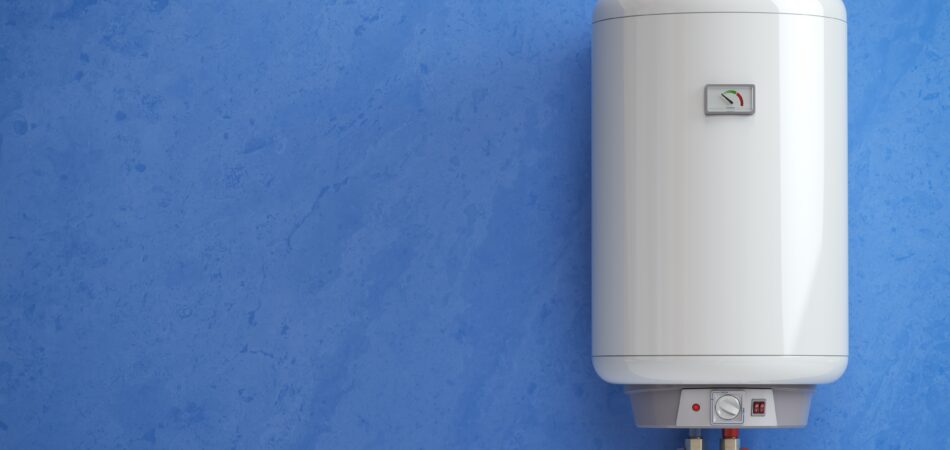
For most Tacoma homes, a heat pump (hybrid) water heater is the most energy-efficient choice, running three to four times more efficiently than a standard electric tank. Tacoma’s low-cost hydroelectric power makes those savings add up quickly, though older homes may need an electrical or space upgrade first. Where natural gas is available, a high-efficiency tankless unit is the strongest runner-up.
Water heating is one of the largest energy loads in any home, and the gap between an old standard tank and a modern high-efficiency unit is wider than most Tacoma homeowners expect. The U.S. Department of Energy estimates water heating accounts for around 18 percent of a typical household’s energy use, so the unit you choose follows you on every utility statement for the next decade or more.
At Spartan Plumbing Inc. (LIC #SPARTSI794OC), we have helped Pierce County families weigh these decisions since 1958, and the answer is rarely one-size-fits-all. The most efficient option on paper is not always the smartest fit for a 1920s North End bungalow with a tight utility closet.
Contact us today to compare your real options before you buy, including the increasingly popular heat pump water heaters we install across Tacoma.
Efficiency is measured by Uniform Energy Factor, or UEF, a standardized rating from the Department of Energy that tells you how much of the energy going in actually ends up heating your water. A higher UEF means less waste and a lower running cost. The catch is that you can only compare units fairly within the same size and usage bin, so a quick glance at the label can mislead you.
UEF replaced the older Energy Factor rating and reflects real-world use, including standby losses and how a unit performs across light and heavy draw patterns. According to ENERGY STAR, a strong UEF lands around 0.92 or higher for electric tanks, 0.68 or higher for gas tanks, and 0.90 or higher for tankless models. Heat pump units sit in a different league entirely.
Tacoma Public Utilities draws heavily on low-cost hydroelectric power, which keeps local electricity rates among the most affordable in the country. That matters because electric-driven efficient units, especially heat pumps, become far cheaper to run when your kilowatt-hour price is low. The same unit that struggles to pay off in a high-rate market can be a clear winner in Pierce County.
Much of Tacoma’s housing stock is older, with U.S. Census data placing the median construction year around 1967 and many homes built before 1940. In the North End and other early neighborhoods, original panels and undersized wiring often need an upgrade before a high-draw efficient unit can run safely.
Older utility spaces and venting can limit which model fits without that work, so the install scope matters as much as the unit itself. Even a top-rated unit is the wrong buy if your home cannot physically or electrically support it.
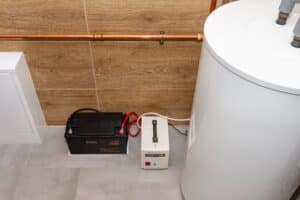 Tacoma homeowners realistically choose among four families: standard electric tanks, gas tanks, tankless units, and heat pump (hybrid) water heaters. Each carries a different efficiency profile, upfront cost, and lifespan, and the best fit depends on your fuel access, space, and household size.
The right pick is the one that matches your fuel, your space, and how much hot water your household actually pulls on a busy morning. As part of our broader residential plumbing services for Tacoma homes, we help homeowners in Stadium District and beyond pressure-test that choice before they spend a dollar.
A heat pump water heater, sometimes called a hybrid unit, does not burn fuel or run a simple electric element to make heat. Instead, it moves existing heat from the surrounding air into the water tank, which is dramatically less wasteful. That single design difference is why it dominates every efficiency comparison.
The unit uses a compressor and refrigerant loop, much like a refrigerator running in reverse, to capture ambient heat and transfer it into the tank. Because it relocates heat rather than creating it from scratch, it delivers several units of heat for every unit of electricity it draws. The trade-off is that it needs a reasonably warm, ventilated space, such as a garage or utility area, to pull heat from.
ENERGY STAR-certified heat pump water heaters typically carry a UEF between roughly 3.3 and 4.1, which translates to 330 to 410 percent efficiency. Compared with a standard electric tank near 0.92 UEF, that is a different class of performance entirely. Over a decade, the running-cost gap can add up to thousands of dollars for a typical Tacoma household.
These units perform best in spaces that stay above roughly 40 degrees and have enough air volume, which suits many Tacoma garages and basements. In a cramped indoor closet, a hybrid model may struggle or run noisier than a homeowner expects. A licensed plumber inspects the space, the electrical panel, and the drainage before recommending one so you avoid a costly surprise after installation.
Efficiency only tells part of the story. A complete decision for a Tacoma home weighs upfront cost, how long the unit lasts, and what it costs to run every month. The table below pulls verified national ranges together so you can see the trade-offs side by side before you commit.
| Water Heater Type | Typical Efficiency (UEF) | Best For |
|---|---|---|
| Heat pump (hybrid) | Roughly 3.3 to 4.1 | Garages and basements; lowest running cost |
| Tankless (gas or electric) | Roughly 0.90 to 0.95+ | Endless hot water; longest lifespan, 15 to 20+ years |
| Standard electric tank | Around 0.92+ | Simple installs; tight spaces |
| Standard gas tank | Around 0.68+ | Low upfront cost where gas is available |
Installation cost is harder to pin to a single number because it depends so much on your specific home. Industry cost data shows the price is driven by the unit type you choose, whether your electrical panel needs an upgrade, the venting and drainage the install requires, and how much retrofit work an older home demands. Tankless units last the longest at 15 to 20-plus years, tanks generally run 8 to 15 years, and heat pumps fall in the middle, near 10 to 15 years.
Any figure we give for your specific home comes as an upfront written estimate, never a guess, so you know the number before work begins. Our trucks arrive fully stocked, which means most installs wrap in a single visit, and we back the work with a written warranty and our 100% satisfaction guarantee. We also offer financing on bigger upgrades, so an efficient unit stays within reach.
A quick note on incentives: the federal 25C tax credit for heat pump water heaters expired at the end of 2025, so do not count on it for a new install. State and utility rebate programs can still apply, and we are happy to point you toward current Tacoma-area options.
For most Pierce County households with a suitable garage or basement, a heat pump water heater delivers the lowest running cost in the group, and Tacoma’s affordable hydropower only strengthens that case. If endless hot water or a longer service life matters more, a high-efficiency tankless unit is the stronger play.
A quality electric tank remains a sound, budget-friendly choice for tight Proctor District utility closets where a hybrid will not fit. The right answer is the one matched to your space, your fuel, and your daily hot-water demand, and that is exactly the call we help you make.
For a no-pressure walkthrough, ask about our free second opinion and our 24/7 human support.
At Spartan Plumbing Inc. (LIC #SPARTSI794OC), we have sized, installed, and serviced water heaters across Tacoma neighborhoods since 1958, and we treat your home like a neighbor’s, not a quota. For trusted water heater installation in Tacoma, our team maps your most efficient option and locks in an upfront written estimate. Call us today to move forward with the right water heater for your home.
A heat pump (hybrid) water heater is the most energy-efficient option for most homes. Because it moves heat from the surrounding air instead of generating it, an ENERGY STAR certified unit operates at roughly 330 to 410 percent efficiency. That far outpaces tankless, electric tank, and gas tank units on running costs.
For most Tacoma homes with a garage or basement that stays above about 40 degrees, yes. Tacoma Public Utilities relies heavily on low-cost hydroelectric power, so the electricity that runs a heat pump unit is comparatively cheap here. That combination makes the long-term savings especially strong across Pierce County.
There is no flat price because installation cost depends on your specific home. The main drivers are whether your electrical panel needs an upgrade, the venting and drainage the unit requires, and how much retrofit work an older home demands. We inspect the space and panel first, then provide an upfront written estimate for your specific home before any work begins.
A heat pump water heater is more energy-efficient, with a UEF of around 3.3 to 4.1 versus roughly 0.90 to 0.95 for tankless models. Tankless units win on lifespan, often lasting 15 to 20-plus years, and on endless hot water. The better pick depends on whether running cost or service life and capacity matter more to your household.
No, Tacoma’s municipal water is generally soft, so heavy scale buildup is less of a concern than in hard-water regions. Some mineral accumulation can still occur over years, which is why periodic flushing helps any unit hold its efficiency. Routine maintenance protects the performance you paid for.
Tankless water heaters last the longest, typically 15 to 20 years or more. Heat pump water heaters generally last about 10 to 15 years, and standard tank units last around 8 to 15 years, depending on the fuel and care. Regular maintenance helps any type reach the upper end of its range.
Yes, in most cases. Because water heating makes up roughly 18 percent of household energy use, moving from a low-efficiency tank to a heat pump or high-efficiency unit can noticeably cut that line on your bill. The savings are largest for households with steady daily hot-water demand.
Not every home. Heat pump units need a warm, ventilated space and adequate electrical and drainage, which many Tacoma garages and basements provide, but tight indoor closets often do not. A licensed plumber inspects the space and panel first and recommends a high-efficiency tank or tankless unit when a hybrid will not fit.
 Book Now!