Emergency Plumbing in Tacoma & Pierce County 24/7 Live Answer Free Second Opinion Quality Plumbing Services
Emergency Plumbing in Tacoma & Pierce County 24/7 Live Answer Free Second Opinion Quality Plumbing Services
Emergency Plumbing in Tacoma & Pierce County 24/7 Live Answer Free Second Opinion Quality Plumbing Services
Emergency Plumbing in Tacoma & Pierce County 24/7 Live Answer Free Second Opinion Quality Plumbing Services

Text Us: 253-231-7015
Call Us: 253-231-7015

Pest problems can cause multiple headaches for homeowners, from property damage and spoiled food to serious health concerns. Termites, cockroaches, rodents, and other unwanted guests gravitate toward ready sources of food and water. Unfortunately, plumbing problems can provide both.
For Tacoma, WA homeowners, the connection between plumbing and pests is especially relevant. The Pacific Northwest’s wet climate means moisture already exists in abundance, and any plumbing issue that adds to it creates ideal conditions for pests to move in and stay. If you’re struggling to control a pest issue in your Tacoma home, an undetected plumbing problem may be the root cause.
Here are four types of plumbing issues that can make your home more hospitable to unwanted guests and what to do about them.
Whenever food scraps make their way into your kitchen sink or garbage disposal, they create a potential feeding ground for pests. Food debris clogging a drain or stuck in the disposal’s grinder can attract and sustain cockroaches, drain flies, ants, and other unwanted visitors.
If you’re not comfortable unclogging a drain yourself, contact a professional plumber to clear the blockage safely without damaging your pipes. A severely clogged or damaged garbage disposal may need professional cleaning or full replacement.
And don’t overlook your bathroom drains. A slow-draining bathroom sink or shower can also harbor drain flies, water bugs, and cockroaches. In Tacoma’s older homes, many with original drain configurations that were never designed for today’s usage volumes, slow drains are common and are frequently the first entry point for pest activity.
Bathroom drains with organic buildup are particularly attractive to drain flies, which thrive in the damp, overcast conditions common across Pierce County year-round. A professional drain cleaning is the fastest way to eliminate the food and moisture source together.
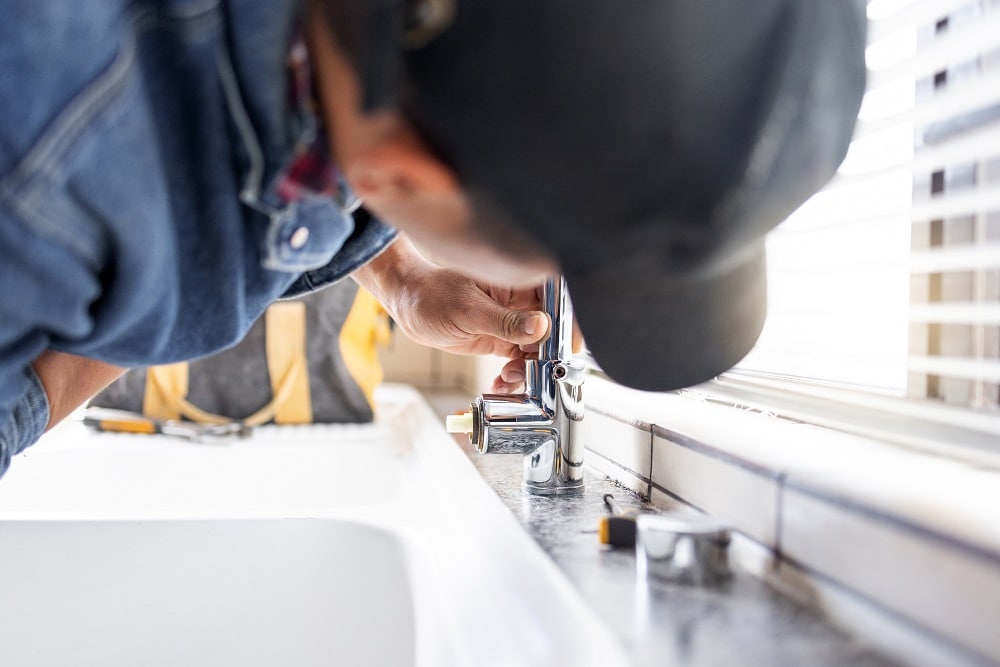 Even a kitchen or bathroom that appears spotlessly clean can still offer pests a reliable water source through a dripping faucet. A slow, steady drip is more than enough to sustain a rodent or insect population inside your walls while also quietly driving up your water bill.
Fortunately, dripping faucets usually stem from minor, easy-to-fix issues: a worn O-ring, a loose washer, dirty inlet and outlet seals, or a failing valve cartridge. A licensed plumber can diagnose and fix most faucet leaks quickly and affordably.
In Tacoma, where rainfall keeps outdoor moisture levels high for much of the year, indoor plumbing leaks don’t need to be dramatic to become a pest magnet. Rodents in particular are resourceful about finding hidden water sources, and once they locate one inside your home, they’re unlikely to leave on their own. If you’ve noticed signs of mice or rats alongside a dripping faucet, treating both issues simultaneously is the most effective approach.
Not all pest-attracting plumbing problems are visible. A leaking pipe hidden inside a wall, crawlspace, or subfloor can saturate wood and other organic materials over time. As these materials become damp and begin to rot, they create ideal conditions for termites, wood-boring beetles, and carpenter ants, all of which can silently cause structural damage that costs far more to repair than the original leak.
You may spot some leaks in obvious places behind the refrigerator or under the sink, but hidden leaks often only reveal themselves through wall or ceiling stains, soft spots in flooring, musty odors, or a gradual drop in water pressure. Periodic plumbing inspections are the most reliable way to catch these early.
For Tacoma homeowners, crawlspace leaks are a particularly serious concern. The region’s frequent rainfall and naturally high soil moisture levels mean that crawl spaces in Pierce County homes are already prone to dampness, and a plumbing leak on top of that creates the perfect environment for carpenter ants, which are one of the most destructive and common pest problems in Western Washington.
If you’ve spotted large black ants inside your home, a crawlspace moisture or plumbing issue may be contributing. Don’t wait for visible damage; schedule a plumbing inspection before the problem compounds.
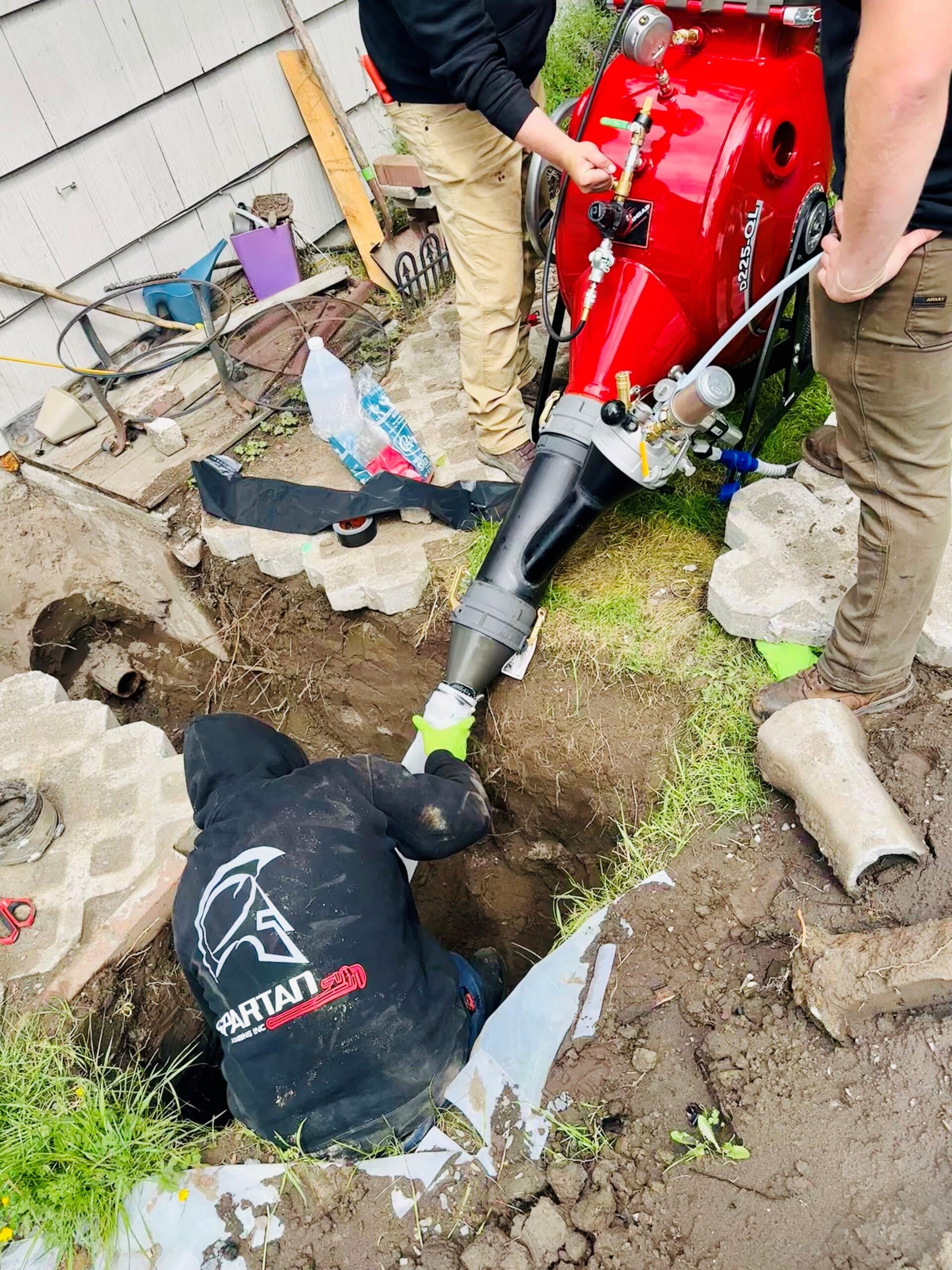 Your home’s underground sewer lines handle all the water that flows in and out of your property. Over time, these lines can crack or collapse due to tree root infiltration, age-related material failure, or ground movement, and those breaks can allow sewer-dwelling pests to invade your property from below.
Warning signs of a potential sewer line break include unusual changes in your lawn (soft patches or unexplained lush growth), foul sewer odors inside or outside your home, new mold growth, low water pressure, and a sudden increase in rodents or other pests. A sewer camera inspection is the most accurate way to diagnose the issue without disruptive excavation.
Sewer line issues are especially common in Tacoma and surrounding Pierce County communities, where infrastructure has aged significantly. Tree roots from the Pacific Northwest’s dense, mature tree canopy, maples, firs, and alders in particular, are notorious for infiltrating older clay and cast-iron sewer lines.
Once roots breach the line, the opening becomes an entry point not just for roots but for rodents and insects seeking food, water, and shelter. If you’ve been dealing with recurring pest problems alongside any of the symptoms above, a sewer line inspection should be high on your priority list.
If you’re seeing signs of pest activity alongside plumbing symptoms, such as slow drains, dripping faucets, damp walls, or sewer odors, don’t call pest control before you call a plumber. Treating the pests without fixing the underlying plumbing issue means they’ll be back.
Spartan Plumbing Inc. has been helping Tacoma and Pierce County homeowners eliminate the plumbing conditions that invite pests. Our team can inspect your home for leaks, clogs, crawlspace moisture issues, and sewer line damage and fix them fast. Contact us today to schedule service.
Yes, and this is especially true in Tacoma, WA. The Pacific Northwest’s wet climate means moisture is already present throughout the region. Any additional plumbing leak or clog adds to that moisture, creating ideal conditions for pests like cockroaches, rodents, carpenter ants, and insects to move in and stay.
Common pests include cockroaches, drain flies, ants, termites, rodents, and water bugs, all drawn to moisture and food debris. In Western Washington specifically, carpenter ants and rodents are among the most frequent pest problems linked to plumbing issues like crawlspace leaks and sewer line breaks.
Clogged drains trap food particles and organic matter, creating a feeding ground for pests like cockroaches, ants, and drain flies. In Tacoma’s older homes, drain buildup is especially common and can quickly become a recurring pest attractant if not professionally cleared.
Yes. Even a slow drip provides a steady water source that pests, especially rodents, rely on to survive. In a climate as rainy as Tacoma’s, indoor leaks don’t need to be large to be significant. Rodents are highly resourceful about locating hidden water sources inside a home.
Hidden leaks inside walls or crawlspaces create damp, rotting conditions that attract termites, carpenter ants, and other pests that thrive in moisture. In the Pacific Northwest, where ambient humidity is already elevated, a concealed plumbing leak can dramatically accelerate wood rot and pest activity in a short period of time.
Damaged sewer lines create entry points for pests and release odors that attract rodents and insects. In Tacoma and Pierce County, where tree root infiltration is a leading cause of sewer line damage, breaks in aging clay and cast iron lines are a frequent source of both pest and plumbing problems.
Signs include foul odors, slow drains, increased pest activity, water stains, mold growth, and unexplained moisture in walls or floors. In Tacoma homes, also watch for soft spots in crawl space floors, unusually lush patches in your lawn, and large black ants, all of which can indicate a plumbing-related moisture problem.
Yes. Addressing the root cause of leaks, clogs, or sewer line damage removes the food and water sources pests depend on, making your home significantly less attractive to them. In many cases, fixing the plumbing issue is the most effective first step before any pest control treatment.
 Book Now!