Emergency Plumbing in Tacoma & Pierce County 24/7 Live Answer Free Second Opinion Quality Plumbing Services
Emergency Plumbing in Tacoma & Pierce County 24/7 Live Answer Free Second Opinion Quality Plumbing Services
Emergency Plumbing in Tacoma & Pierce County 24/7 Live Answer Free Second Opinion Quality Plumbing Services
Emergency Plumbing in Tacoma & Pierce County 24/7 Live Answer Free Second Opinion Quality Plumbing Services

Text Us: 253-231-7015
Call Us: 253-231-7015
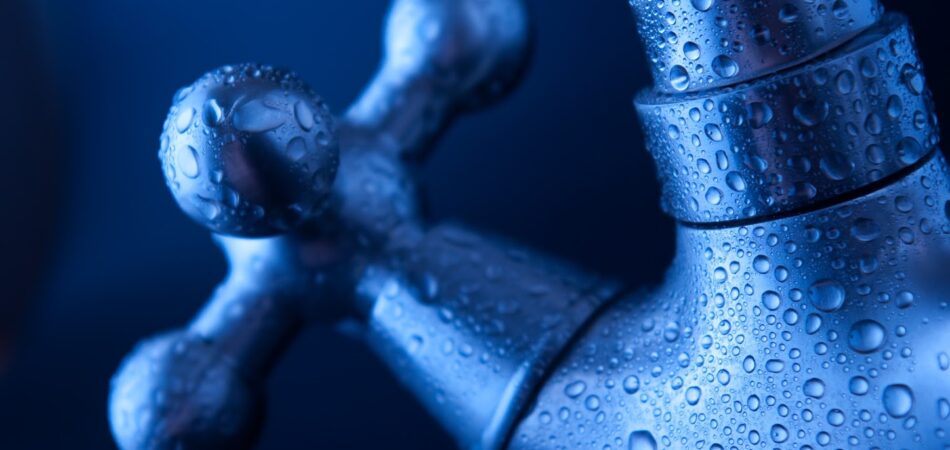
Sweating pipes in Tacoma occur when warm, humid air hits cold water pipes, creating condensation, especially in humid summers or damp, unventilated spaces like basements and crawlspaces. It’s a physical reaction to the dew point. Stop it by insulating pipes with foam, reducing moisture with a dehumidifier, and improving ventilation
If you have noticed water droplets forming on your basement pipes, crawlspace plumbing, or the cold water lines under your kitchen sink, you are dealing with pipe condensation, also called sweating pipes. It is one of the most common winter plumbing issues in Tacoma homes, and the good news is that most cases can be fixed without major repairs once you understand what is causing the moisture in the first place.
Worried about water damage from sweating pipes? Contact us today at Spartan Plumbing Inc. for fast service across Tacoma and Pierce County.
Sweating water pipes refers to condensation forming on the outside of cold-water plumbing. The droplets are not coming from inside the pipe. They are pulled out of the air when warm, humid room air contacts a cold pipe surface and the water vapor turns back into liquid. This is the same process that causes a cold glass of iced tea to bead up on a summer afternoon.
Condensation happens when air containing water vapor is cooled below its dew point. Cold pipe surfaces lower the temperature of the air immediately around them. Once that air cools past the dew point, the moisture has nowhere to go but onto the nearest cold surface, which is the pipe itself. The greater the difference between air temperature and pipe temperature, the heavier the condensation.
A sweating pipe shows uniform moisture or beads spread evenly across the pipe surface. A leaking pipe produces drips concentrated at one spot, usually a joint, valve, or fitting. If you wipe the pipe dry and the moisture returns within minutes across the whole length, it is condensation. If the same spot keeps producing water while the rest of the pipe stays dry, it is a leak that needs professional inspection.
Tacoma’s climate creates near-perfect conditions for pipe condensation. The Pacific Northwest sits in a Mediterranean Csb climate zone with mild, wet winters that drive indoor humidity to some of the highest sustained levels in the country.
Tacoma’s average outdoor relative humidity reaches 87% in December and January and stays elevated through most of the wet season from October through April, according to long-term climate records. By comparison, drier inland cities often sit at 30 to 50% humidity in winter. That difference is why Tacoma homeowners deal with sweating pipes far more often than people in Spokane, Boise, or Phoenix.
Tacoma’s municipal water comes from the Green River Watershed in the Cascade Range, and incoming tap water runs noticeably colder during winter months. Cold water inside the pipe pulls the surface temperature down with it, widening the gap between the pipe and the warmer air around it. The colder the pipe surface, the faster moisture condenses on it.
Pierce County’s median home was built in 1986, and roughly 10% of housing stock predates 1940, according to U.S. Census housing data. Many older homes in Tacoma neighborhoods like North End, Stadium District, Old Town, Hilltop, and Proctor commonly have:
These conditions stack on top of Tacoma’s already-humid climate, which is why sweating pipes show up first in older homes and often require residential plumbing attention.
Homes near Puget Sound, including Dash Point, Browns Point, Ruston, and parts of University Place, often experience higher baseline humidity year-round. Marine air carries more moisture inland, which keeps indoor humidity elevated even outside the winter peak. Homeowners in these neighborhoods may notice sweating pipes in summer months as well.
Five conditions drive almost every case of pipe sweating. Understanding which factor is dominant in your home tells you where to focus the fix.
Indoor humidity is the single biggest factor. Daily activities like cooking, showering, washing dishes, drying clothes indoors, and running unvented gas appliances all add moisture to the air. In a tightly sealed Tacoma home with poor ventilation, indoor humidity can routinely exceed the EPA’s recommended 50% maximum during winter, which sets the conditions for condensation on any cold surface.
The colder the pipe, the more aggressively it sweats. Cold water lines running through unconditioned spaces like basements, crawlspaces, garages, and unfinished utility rooms stay close to the temperature of the water inside them. When that surface temperature drops below the dew point of the surrounding air, condensation begins.
Insulation creates a thermal break between the cold pipe and the warm air. Bare pipes have no buffer, so moisture forms instantly. Many older Tacoma homes were not insulated to modern standards, leaving long runs of bare cold-water lines exposed in basements, crawlspaces, and garages. Foam pipe sleeves, fiberglass wraps, and rubber insulation tubes all work, but coverage matters more than material. Even a few inches of bare pipe between insulation runs will sweat.
Stagnant air against a cold pipe holds onto its moisture longer. In closed crawlspaces, sealed basements, and tight cabinet spaces under sinks, warm humid air gets trapped and condenses repeatedly. Air movement breaks up that pocket and reduces sweating significantly.
Different plumbing materials transfer heat at different rates. Metal pipes, especially copper and galvanized steel, conduct cold quickly to their outer surface. PEX and CPVC are far less conductive, which is why newer plumbing systems sweat much less than older ones. Many Tacoma homes still have copper supply lines that are particularly prone to condensation.
Yes. Sweating pipes are not just a cosmetic issue. Persistent condensation can damage your home in five distinct ways, and the damage often goes unnoticed until it is significant.
Mold needs moisture and organic material to grow. Sweating pipes provide both, especially when the moisture drips onto wood framing, drywall, insulation, or carpet. The Pacific Northwest’s already-elevated humidity makes mold growth faster here than in drier regions. Black mold, mildew, and musty odors in basements or crawlspaces are often traced back to long-term pipe condensation.
Wood absorbs moisture from dripping pipes over time. Floor joists, subflooring, sill plates, and framing members in basements and crawlspaces gradually lose structural integrity. By the time visible rot appears, the damage usually requires carpentry repair in addition to plumbing work.
Constant exterior moisture accelerates rust on metal pipes, fittings, hangers, and nearby fasteners. Galvanized steel is particularly vulnerable. Over years, a sweating pipe can develop pinhole leaks from the outside in, eventually requiring partial repiping.
Carpenter ants, rodents, silverfish, and roaches are all drawn to moisture sources. Carpenter ants are especially common across Pierce County and will nest in damp wood near sweating pipes. A persistent moisture source can turn a small pest issue into a recurring infestation.
Many basements have electrical panels, junction boxes, or outlets near plumbing. When sweating pipes drip onto or near electrical components, the moisture creates a serious short-circuit and shock risk. This is one of the most overlooked dangers of pipe condensation and should be addressed immediately.
Most Tacoma homeowners can solve sweating pipes without professional help. Work through these steps in order, starting with the easiest and cheapest.
Pipe insulation is the single most effective fix for sweating pipes. Foam pipe sleeves cost a few dollars per foot at any hardware store and slip over exposed pipes in minutes. Focus on:
Cover joints, elbows, and valves with foam corner pieces or wrap tape. Bare gaps will continue to sweat.
The EPA recommends keeping indoor humidity between 30 and 50% to prevent mold and condensation. In Tacoma, hitting this target during winter usually requires a dehumidifier in the basement or crawlspace. A 50-pint dehumidifier covers most basements and pays for itself by preventing mold and water damage.
Use a hygrometer to monitor humidity in real time. Most cost under $20 and give you immediate feedback on whether your humidity control is working.
Stagnant air keeps humidity locked in. Improve airflow by:
If insulation and dehumidification do not solve the problem, you may have a hidden moisture source. Slab leaks, slow drips behind walls, and failing seals on a water heater all add humidity to the home. A licensed plumber can perform a pressure test, leak detection scan, or sewer camera inspection to find the source.
When sweating happens on long sections of aging copper or galvanized steel, repiping with PEX often makes more sense than treating symptoms repeatedly. PEX runs warmer, resists condensation, and lasts longer than older metal pipe systems. This is a larger investment but solves multiple plumbing issues at once.
DIY fixes work for most cases, but some situations need professional attention. Bring in a licensed plumber serving the Tacoma area if:
A professional inspection rules out hidden problems and gives you a clear repair path before damage spreads.
Sweating pipes can quietly cause thousands of dollars in damage if left alone. If insulation and humidity control have not solved the problem, or if you have already noticed mold, rot, or corrosion, it is time to bring in a professional.
Spartan Plumbing Inc. has served Tacoma and Pierce County since 1958. We are licensed, insured, and family-owned, and we know exactly how Pacific Northwest humidity affects local plumbing systems.
Call us today for emergency response, ask about our free second opinion if you already have a quote, or book online for fast same-week scheduling.
Anything above 60% indoor humidity is too much for sustained periods. The EPA recommends keeping levels between 30 and 50% to prevent mold, condensation, and dust mite issues. Tacoma’s winter climate makes this harder to maintain without a dehumidifier in basements and crawlspaces.
No. Wiping pipes dry is a temporary fix because the moisture returns within minutes as long as humidity and temperature conditions stay the same. Insulation removes the cold surface that causes the condensation in the first place, which is the only permanent solution.
Yes. The same foam sleeves that prevent condensation also slow heat loss in winter, which reduces the risk of frozen pipes during cold snaps. Tacoma sees occasional freezes. especially in outlying areas like Graham, Spanaway, and Yelm, so pipe insulation provides year-round protection.
A dehumidifier helps significantly but rarely solves the problem alone in Tacoma. Pacific Northwest humidity is high enough that even a strong dehumidifier may not get below the dew point of cold pipes without insulation. The two work best together.
Check exposed pipes monthly during the wet season, typically October through April. Pay attention to basements, crawlspaces, and under-sink areas where you cannot see the pipes daily. Early detection prevents most secondary damage.
No. Condensation comes from the air, not the water inside the pipe, so it does not affect water usage or your bill. If you notice rising water bills along with moisture on pipes, you likely have a hidden leak rather than condensation, and a plumber should inspect.
 Book Now!