Emergency Plumbing in Tacoma & Pierce County 24/7 Live Answer Free Second Opinion Quality Plumbing Services
Emergency Plumbing in Tacoma & Pierce County 24/7 Live Answer Free Second Opinion Quality Plumbing Services
Emergency Plumbing in Tacoma & Pierce County 24/7 Live Answer Free Second Opinion Quality Plumbing Services
Emergency Plumbing in Tacoma & Pierce County 24/7 Live Answer Free Second Opinion Quality Plumbing Services

Text Us: 253-231-7015
Call Us: 253-231-7015

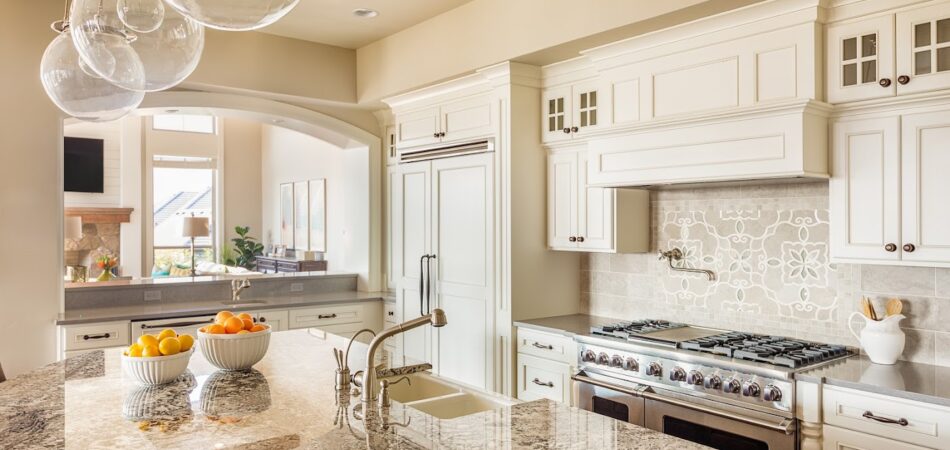
What do you need to know about remodeling your kitchen and your home’s plumbing system? You’re ready to upgrade the kitchen cabinets, countertops, backsplash, appliances, and floor. But you’re not sure if you also need to include the plumbing. If you’re not sure where to start, take a look at the top questions about kitchen remodeling projects and plumbing systems.
The answer to this question depends on the pipes in your home. If the pipes are new (or newer) and in more than just decent working condition, you won’t need to repipe the kitchen.
Different types of pipes have different lifespans. Copper water lines could last for 70 years, PEX has an average 40-year lifespan, and ABS and PVC waste pipes have a 50- to 80-year lifespan, according to the International Association of Certified Home Inspectors (InterNACHI).
In Tacoma, where the median home was built around 1967 and a large share of pre-1970 housing in the North End, Hilltop, and Old Town still runs on galvanized supply lines, those lifespan numbers are often already moot. Galvanized pipes installed in the 1950s and 60s are at or past the end of their useful life, and a kitchen remodel is the cheapest window to swap them out while the walls are already open.
If your kitchen’s pipes are nearing the end of their lifespan or are past their expected lifetime of use, you may want to consider repiping now. Instead of waiting until the remodel is complete, repiping during a renovation eliminates the need to break through walls, floors, or ceilings or patch the holes left behind.
Even though age is a common reason to replace pipes, you may want to repipe the kitchen during a remodel if the plumbing system has significant damage, wear and tear, or leaks. Corrosion, cracks, and other similar damage can result in costly water losses.
The U.S. Environmental Protection Agency (EPA) notes that fixing leaks could save you as much as 10 percent on your water bill. If you have wet spots under the kitchen sink, dampness on or in a wall, or unusually high water bills, talk to a plumber about repiping during the remodeling process.
Like the pipes, older or worn fixtures can also leak and waste water. A leaky faucet can waste 3,000 gallons of water annually, according to the EPA. This equals high water utility costs and can impact the environment. If your kitchen sink has what seems like a tiny drip, use the remodel as a time to stop the leak and replace the faucet.
A leak isn’t the only reason to replace your kitchen’s plumbing fixtures during a renovation project. This upgrade can also change the look of your kitchen. New cabinets, sparkling stainless steel appliances, and a modern backsplash will only highlight a dated sink and faucet.
Along with standing out against the new parts of your kitchen, your old sink or faucet may not match the updated décor. To create a seamless aesthetic in your kitchen, select fixtures that coordinate with the new design or style.
Common kitchen plumbing fixtures worth a closer look during a remodel include:
Before you jump into a major kitchen renovation, coordinate each step with the contractors. You may need a few different pros to handle each specific task. These could include a plumber, an electrician, a flooring contractor, a tile expert, a general contractor (for structural parts of the design or drywall), a painter, and a cabinet specialist.
Again, it’s easier to repipe a kitchen when the walls, ceilings, or floors are already open. This means you should start the plumbing phase after the major demolition is complete, but before another contractor covers the floors with tile or plasters the walls.
If you also or only need to install new plumbing fixtures, you may need to wait until the final phase of the upgrade. You will need to install a countertop before you place the sink. But you will need to select a sink before the contractor installs the countertop.
The contractor will need the dimensions of the sink to create a perfectly sized space for this fixture. An improper size could leave gaps and cause leaks in your new kitchen.
Even careful planning leaves room for plumbing mistakes that turn into expensive callbacks. The ones we see most often after a kitchen remodel include:
At Spartan Plumbing Inc. (LIC #SPARTSI794OC), our team has been remodeling Tacoma and Pierce County kitchens since 1958. We coordinate with your contractor on inspections, pipe upgrades, and fixture installs, and we put the full scope on a flat-rate written estimate before anything gets opened up, so the plumbing phase does not stall the rest of your remodel. Call or text 253-231-7015 to plan it out before demo starts.
How long does the plumbing phase of a kitchen remodel take?
The plumbing rough-in for a typical kitchen remodel takes 1 to 3 days, depending on whether pipes are being moved, repiped, or only reconfigured. Final fixture installation usually adds another half-day at the end of the project, after countertops are set.
Do I need a permit to update plumbing during a kitchen remodel?
Most jurisdictions, including those in Washington, require a plumbing permit when you move pipes, relocate fixtures, or do any work beyond like-for-like replacement of an existing fixture. Permit-pulled work also protects you on resale and ensures the installation passes a final inspection.
Can I move my kitchen sink to a different wall during a remodel?
Yes, but it requires extending supply lines, rerouting the drain, and updating the vent so the new location drains properly. Moving a sink to a kitchen island adds complexity because the vent has to terminate through the roof or use a code-approved air admittance valve.
How much does it cost to repipe a kitchen during a remodel?
Kitchen-only repipes vary widely based on existing pipe material, accessibility, and the replacement material chosen (PEX is typically least expensive, copper is most). The cheapest time to repipe is during the demolition phase when the walls are already open, which can cut labor costs significantly compared to a stand-alone repipe.
Should I replace the dishwasher hookup during a kitchen remodel?
Yes, especially if the existing line lacks an air gap or high-loop installation. Updating the supply line to a quarter-turn valve and adding a code-compliant air gap is straightforward during the remodel and avoids inspection fails later.
What kitchen plumbing changes require a licensed plumber?
In Washington and most other states, any work that moves or modifies water supply lines, drain lines, or vents requires a licensed plumber. Fixture swaps that don’t move plumbing (like replacing a faucet) generally do not, but anything that opens a wall or alters the rough-in does.
Can I keep my existing kitchen plumbing if it’s still working?
If your supply and drain lines are in good condition and not at the end of their lifespan, keeping them is often the right call to control costs. But if the walls are already open, even partial upgrades like new shutoff valves or upsized supply lines are far cheaper to do now than later.
 Book Now!