Emergency Plumbing in Tacoma & Pierce County 24/7 Live Answer Free Second Opinion Quality Plumbing Services
Emergency Plumbing in Tacoma & Pierce County 24/7 Live Answer Free Second Opinion Quality Plumbing Services
Emergency Plumbing in Tacoma & Pierce County 24/7 Live Answer Free Second Opinion Quality Plumbing Services
Emergency Plumbing in Tacoma & Pierce County 24/7 Live Answer Free Second Opinion Quality Plumbing Services

Text Us: 253-231-7015
Call Us: 253-231-7015

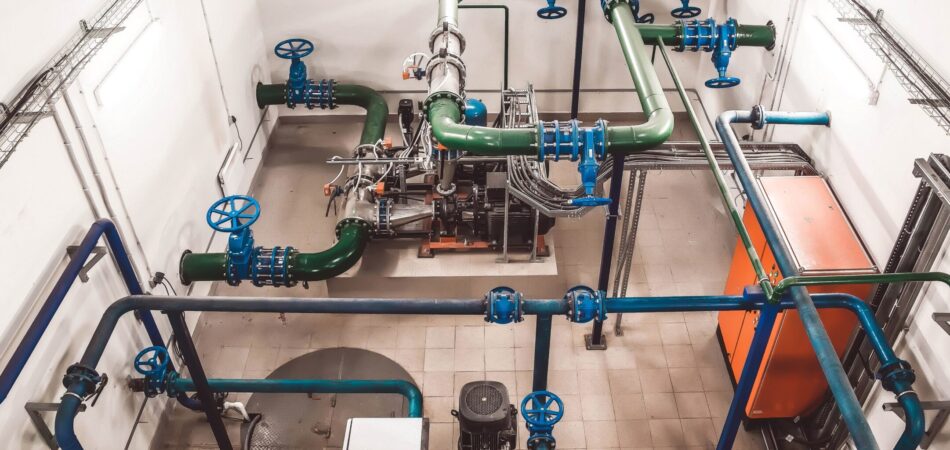
A water supply system brings clean water from its source to homes, schools, and businesses. It connects rivers, lakes, or underground wells through pipes and pumps that move water where people need it. This system supports daily life, from drinking and cooking to cleaning and fire protection. In cities like Tacoma, systems work day and night to keep a steady flow. Spartan Plumbing Inc. helps homes and buildings stay connected to this clean, safe water through trusted plumbing service across Washington.
A water supply system includes many working parts that move and clean water. Pipes carry water through treatment plants, storage tanks, and pumping stations. Valves and meters control how much water flows through each section. The main sources include rivers, lakes, reservoirs, and deep wells that hold groundwater. Engineers select each source based on water quality and community needs.
The system follows clear steps to make water safe. Water travels from the source to a treatment plant, where it passes through screens, filters, and settling tanks. Chemicals remove germs and metals before storage tanks hold the treated water. Pumps then push it through underground pipes to homes and buildings. Modern systems use new tools such as smart meters, leak detection sensors, and automated pressure controls to manage water use and reduce waste. These upgrades keep the supply safe, reliable, and ready for every household and business that depends on it.
Need help with your water lines, plumbing repairs, or system upgrades? Contact us today to keep your property’s water flowing safely and efficiently!
A water supply system is a connected network that collects, treats, stores, and delivers clean water for daily use. It draws water from natural sources like rivers, lakes, and wells, then purifies it through treatment plants before storing it in tanks for distribution.
The system ensures every home, school, and business receives safe water for drinking, cooking, cleaning, and fire protection. Its purpose is to keep communities healthy and functioning by maintaining a constant flow of clean water.
In cities such as Tacoma, Spartan Plumbing Inc. supports this process through expert plumbing services that help maintain safe and reliable water connections for both homes and businesses.
The main components of the water supply system are source facilities, intake and collection, treatment plant, storage facilities, transmission mains, and distribution network. Each part connects to the next to keep water moving safely from nature to every tap. These parts work together to deliver clean water that supports homes, schools, and businesses.
 Source facilities provide the starting point for all water systems. They include rivers, lakes, reservoirs, and underground wells that supply raw water. Each source depends on local geography and water availability.
Intake and collection systems move raw water from the source to the treatment plant. Pipes, screens, and pumps gather and transport water while blocking debris like leaves and stones. These structures protect equipment and prepare the water for treatment.
A treatment plant removes dirt, germs, and harmful chemicals. It uses filtration, sedimentation, and chemical disinfection to make water safe for people. Plants often process thousands of gallons daily, following strict safety standards.
Storage facilities hold treated water before distribution. They include tanks, towers, and covered reservoirs that maintain pressure and balance demand. Elevated storage also protects the supply during high use or power loss.
Transmission mains are large underground pipes that move clean water from treatment plants to local networks. They maintain a steady flow through high-pressure systems. Durable materials like steel or ductile iron help them resist leaks and corrosion.
The distribution network delivers treated water directly to homes and buildings. It includes smaller pipes, valves, and meters that control and measure flow.
The main sources of water in the supply system include surface water, groundwater, rainwater harvesting, and desalinated water. Each source provides clean water through natural collection or modern technology. These sources keep cities, farms, and homes supplied throughout the year.
The main sources of water in the supply system are:
Surface water includes rivers, lakes, and reservoirs that store rainfall and runoff. Water enters through natural streams and rainfall, then collects in large basins before treatment. These sources supply most urban systems in the United States because they store large volumes and are easy to access.
Groundwater stays below the earth’s surface in layers called aquifers. Wells or boreholes extract this water and pump it to treatment plants. Groundwater remains the main source for small towns and rural areas where rivers and lakes are limited.
Rainwater harvesting sends rain to tanks or underground storage from the roofs or open grounds. Filters remove dust and debris before use. So this method supports dry or hilly regions where natural water sources are limited.
Desalinated water comes from removing salt and minerals from seawater through filtration and evaporation. Coastal regions like parts of California and Florida use this method to supply fresh water where natural reserves are low. It provides a steady alternative when rainfall and groundwater levels drop.
The water supply system works through a step-by-step process that collects, treats, stores, transmits, distributes, and monitors water to keep it clean and safe for use. Each stage connects to the next to move water smoothly from its source to homes and buildings.
The main stages in the water supply process are:
The collection gathers raw water through pipelines and pumps from rivers, lakes, and wells. Screens and gates keep out large debris like leaves and stones. This stage supplies enough water for treatment plants to process safely.
Dirt, chemicals, and pathogens are removed by filtration, sedimentation, and disinfection treatment. Clarifiers, filters, and chlorination tanks clean the water for safe use. This stage is for public health and federal water quality standards.
Storage holds treated water in tanks or reservoirs before delivery. Tanks maintain constant pressure and serve as backup during high demand. Elevated water towers help push water through pipes using gravity.
Transmission moves large volumes of clean water from treatment plants to city networks through wide underground pipes called mains. Pumps and valves control flow and pressure to ensure an even supply across long distances.
Distribution sends treated water through smaller pipes directly to homes, schools, and businesses. Meters record flow, and valves manage direction and pressure. Routine checks by Spartan Plumbing Inc. keep this stage reliable and leak-free.
Monitoring tracks water quality, flow, and pressure at every step. Sensors, gauges, and testing labs confirm that the water stays clean and safe. Continuous monitoring ensures the system meets health and safety standards every day.
The water purification process steps remove dirt, germs, and harmful chemicals before they reach homes and buildings. Each step plays a role in turning raw water from rivers or wells into safe drinking water.
The main steps in the water purification process are:
 Screening removes large items such as leaves, twigs & plastic pieces. Metal screens or mesh filters trap these materials as water flows in. This step prevents machines from clogging or being damaged.
Special chemicals called coagulants stick dirt particles together – alum or iron salts. This makes particles stick together in small clumps called flocs that can be removed easily at the next stage.
Flocculation gently stirs the water so the flocs grow larger and heavier. Slow paddles or mixers move the water in tanks, helping flocs settle more easily later. This step improves clarity and prepares water for sedimentation.
Sedimentation allows heavy flocs to settle at the bottom of large tanks. Clean water stays at the top and flows out for further cleaning. Gravity and stillness help separate solid waste from liquid water.
Filtration involves layers of sand, gravel, or carbon filters. These filters collect small dirt particles, metals, and some germs. This improves taste, smell, and the quality of water.
Disinfection kills bacteria, viruses, and any remaining germs. Chlorine, ozone, or ultraviolet (UV) light cleans the water before storage and distribution. This final stage ensures the water stays safe until it reaches homes and buildings.
The water storage methods in the water supply system are water tanks, reservoirs, cisterns, and aquifer storage. These structures keep treated water ready for daily use and help maintain steady pressure in pipes. Each type supports supply balance, especially during peak demand or emergencies. Spartan Plumbing Inc. helps maintain storage systems that ensure safe and dependable water access for homes and businesses.
The main water storage methods in the water supply system are:
Water tanks store treated water before it moves into the distribution network. They hold enough water to meet community demand and keep pressure stable across pipelines. Elevated tanks are common in urban areas, where height helps push water through the system by gravity.
Reservoirs are large open or covered basins that store surface water from rivers or rainfall. They hold raw or treated water for long-term supply and serve as a backup during droughts. Reservoirs support both city and agricultural systems that need steady water year-round.
Cisterns are storage tanks that collect and store rainwater from rooftops or open ground. They are small reservoirs usually used in rural or dry locations. Filtration and disinfection units keep stored rainwater clean for safe household use or irrigation.
Aquifer storage stores treated water underground in layers of sand or gravel called an aquifer. This saves water for use later and prevents loss by evaporation. It helps regions with low surface storage space or with seasonal water shortages.
The new technologies used in water systems today include solar-powered purification, AI-powered leak detection, decentralized treatment units, IoT sensors, and advanced filtration and disinfection systems. These innovations make water delivery faster, cleaner, and more reliable.
 Spartan Plumbing Inc. supports the use of modern tools that improve efficiency, cut waste, and protect water quality for every user.
The main modern technologies improving water systems are:
Solar-powered purification cleans water in off-grid or rural areas using sunlight. Panels turn sunlight into energy for filters and UV lamps. It removes dirt, bacteria & chemicals without burning fossil fuels. Ideal for communities that want clean water at a low energy cost.
AI-powered systems monitor pipeline pressure changes with smart sensors. An AI model identifies unusual patterns of hidden leaks or bursts. Early detection saves big water losses and costly repairs.
The water is treated near the source rather than sent to large treatment plants, which are decentralized systems. Clean water from small modular units serves buildings, schools, or neighborhoods. Those systems reduce transport loss and improve supply during service interruptions.
IoT sensors monitor flow rate, quality, and pressure in real time. Data travels to control centers that change pumps or valves immediately. Such sensors find contamination or equipment problems quickly. These keep the supply constant and the water safe for daily use.
Modern filters and disinfectants remove tiny particles and kill viruses or bacteria more effectively. Technologies like membrane filtration and UV-C light provide cleaner water with fewer chemicals. These tools support hospitals, industries, and homes that need constant, high-quality water.
To keep the water supply system clean, safe, and sustainable, every stage, from collection to distribution, must stay protected and well-maintained. This means shielding water sources from pollution, fixing old pipes, and tracking water quality daily.
Key practices for clean, safe, and sustainable water supply systems are:
Keep rivers, lakes, and underground wells clean first for clean water management. Farms use safe fertilizers, and industries treat wastes before release. Forest protection and controlled runoff keep water fresh and clear for supply systems.
Regular inspection and repair of pipes, tanks, and valves prevent leaks and contamination. Replacing corroded lines and cleaning storage tanks helps preserve water quality. Spartan Plumbing Inc. uses advanced tools to detect faults early and extend system life across Tacoma’s communities.
Constant testing of pH, chlorine, and bacteria levels ensures the water meets safety standards. Smart sensors send real-time data to operators, who respond instantly to changes. This process guarantees that every drop reaching homes stays safe to drink and use.
To ensure long-term sustainability of our water supply, proper planning, conservation, and smart management are key. Leak detection and efficient fixtures help save thousands of gallons a year. Water sources can be reused if protected from industrial runoff. Reusing treated waste for irrigation or cleaning saves fresh sources. Pumping systems using renewable energy lessen environmental stress. Communities with responsible habits build an abundant and clean water future. Spartan Plumbing Inc. supports these practices with modern maintenance and eco-friendly plumbing services.
Water system flushing helps maintain cleanliness by removing dirt, rust, and biofilm from pipelines. This process keeps water clear and safe for drinking. A regular flush reduces bacterial growth and corrosion in pipes. Fire hydrants and valves release water fast to clean internal pipe surfaces. Cities schedule flushing several times per year to keep water flowing smoothly. The buildup prevents the water from tasting and looking clear.
Filtration systems play a major role in water supply safety by removing impurities like sand, silt, and harmful particles. Filters catch pollutants before water reaches consumers. Carbon-activated filters trap chemicals and odors for better taste and purity. Advanced systems block microplastics and metals, too. Filter maintenance prevents clogging. Proper filtering keeps contaminants out of homes and businesses. Spartan Plumbing Inc. installs and maintains high-performance filtration systems for clean, reliable water.
To prevent bacterial growth in water supply networks, proper disinfection and regular cleaning are vital. Chlorine and ultraviolet light treatments kill harmful microbes. Maintaining pressure in pipelines stops external contamination. Stagnant water zones are flushed to prevent biofilm buildup. Clean tanks and well-maintained valves help ensure a bacteria-free network. Monitoring systems test water daily for microbial presence. Spartan Plumbing Inc. supports safe network management by providing sewer inspection services in Washington, and maintaining clean, sealed, and disinfected plumbing systems.
Safe chemicals for water disinfection include chlorine, chloramine, and ozone. When used in controlled amounts, chlorine kills bacteria & viruses. Chloramine is a chlorine and ammonia mix that lasts longer after distribution. Ozone breaks down organic pollutants without leaving harmful residues.
Environmental conditions that degrade water quality include pollution, heavy rainfall runoff, and industrial waste. Agrichemicals enter rivers and lakes and raise nitrate levels. Droughts trap pollutants in water flow restrictions. Silt and organic matter added from soil erosion harden filtration. Extreme heat encourages algae growth that changes taste and odor. Stormwater from cities brings oil and metals to clean sources.
Sustainable energy options for pumping water include solar, wind, and micro-hydropower systems. In sunny regions without fossil fuels, solar pumps draw water efficiently. Wind-driven pumps work well in country or coastal locations with steady winds. Micro-hydropower systems move water with small turbines in flowing streams. These energy sources reduce carbon emissions and operating costs. Many U.S. utilities are switching to hybrid systems for constant power.
Stormwater management protects the water supply by preventing polluted runoff from reaching rivers and lakes. Green roofs, rain gardens, and permeable pavements absorb rain naturally. Drainage systems collect and filter stormwater before it mixes with clean sources. Proper management reduces flooding and erosion that spreads contaminants. Urban areas use retention ponds to slow and clean water flow. These systems help keep groundwater fresh and stable. Spartan Plumbing Inc. promotes responsible drainage across Tacoma.
To evaluate the sustainability of a water supply system, experts assess water sources, infrastructure, and energy use. Reliable systems satisfy community demand without compromising the environment. Leaks, energy loss, and treatment performance are checked during efficiency audits. Reuse and conservation rates are strong in the long term. Regular reporting gives users transparency and trust. Sovereign systems also support renewable energy and clean technology. Spartan Plumbing Inc. helps communities to have a sustainable water supply system by providing authentic and trusted sewer lining service in Washington.
To protect groundwater sources from overuse, recharge and conservation are essential. Rainwater harvesting refills aquifers naturally. Limiting deep well extraction keeps levels stable. An efficient irrigation system avoids drawing from underground reserves. Urban design involves recharge basins and green zones for runoff capture. Monitoring wells monitor trends for early action. Communities that balance use with recovery support healthy groundwater. Spartan Plumbing Inc. promotes waste-free plumbing designs that protect local water tables.
Emerging contaminants to watch in water systems include microplastics, pharmaceuticals, and PFAS (forever chemicals). These pollutants resist normal treatment and stay in the water longer. Industrial and household waste introduces trace chemicals that affect health. PFAS are found in firefighting foam and coatings that enter groundwater. Scientists study new methods to remove them, such as carbon adsorption and membrane filtration. Regular testing and updated standards keep drinking water safe.
 Book Now!