Emergency Plumbing in Tacoma & Pierce County 24/7 Live Answer Free Second Opinion Quality Plumbing Services
Emergency Plumbing in Tacoma & Pierce County 24/7 Live Answer Free Second Opinion Quality Plumbing Services
Emergency Plumbing in Tacoma & Pierce County 24/7 Live Answer Free Second Opinion Quality Plumbing Services
Emergency Plumbing in Tacoma & Pierce County 24/7 Live Answer Free Second Opinion Quality Plumbing Services

Text Us: 253-231-7015
Call Us: 253-231-7015

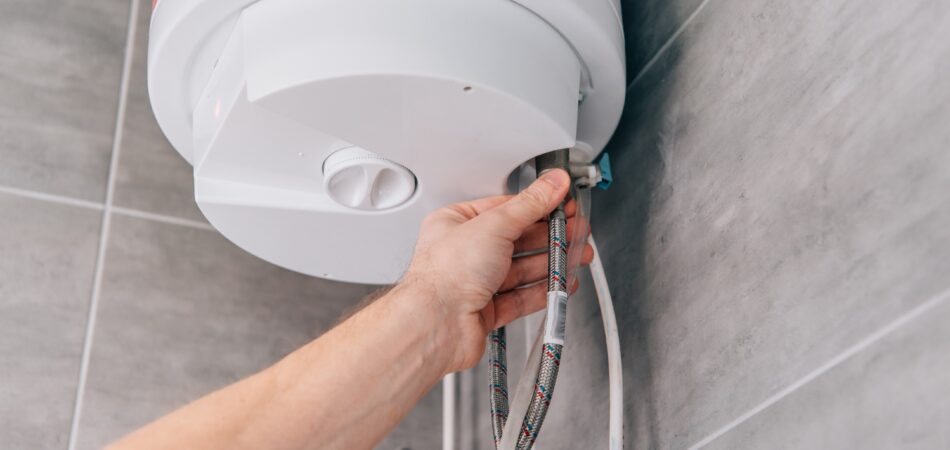
If you never flush your water heater in Tacoma, sediment hardens at the bottom of the tank and forces the burner to work through a layer of mineral grit. Over time you lose efficiency, run out of hot water faster, hear popping or rumbling, and shorten the tank’s life. That wear often ends in early failure and an expensive replacement.
A water heater rarely fails on a schedule that is convenient. In most Tacoma homes, it sits in a garage or utility closet, working quietly until the hot showers run short or a strange rumble starts. The cause is often the one task homeowners forget: an annual flush.
Sediment settles at the bottom of every tank over time, and the harder your unit has to work around it, the faster it wears out. Manufacturers like Rheem and AO Smith recommend flushing at least once a year, and many warranties require it. When you want help with that maintenance or a unit replacement, our Tacoma water heater repair and replacement team can handle the flush and check the tank in one visit.
At Spartan Plumbing Inc. (LIC #SPARTSI794OC), we have flushed and serviced water heaters across Pierce County since 1958. From Hilltop bungalows to South Tacoma ramblers, we have seen what years of skipped maintenance do to a tank, and the pattern is consistent enough to plan around.
Contact us today to schedule a flush before sediment shortens your tank’s life.
The cost shows up in three places: your energy bill, the lifespan of the tank, and eventual repair or replacement. None of it happens overnight, which is exactly why it gets ignored until the numbers add up. The table below puts the documented ranges side by side so you can see the trade.
Sediment forms a barrier between the burner and the water above it, so the unit burns more fuel to deliver the same hot shower. Energy.gov notes that sediment can raise a water heater’s energy consumption by 15 percent or more, which is wasted fuel you pay for every month a flush gets skipped.
A flush is one of the cheapest line items in plumbing, and it protects a unit that costs many times more to replace. That math is why we treat the annual flush as routine care rather than an upsell. For a busy household in Old Town or South Tacoma, the wasted energy alone can pay for the service in a single year.
Every gallon that enters your tank carries a small amount of dissolved minerals. Those minerals drop out of suspension when the water heats, settling as a gritty layer at the bottom of the tank. Over months and years, that layer thickens, and the way it builds depends a lot on the water and the home.
Tacoma is served by moderately soft water through Tacoma Public Utilities, so buildup here tends to be slower than in true hard-water regions. That is good news, but slower is not the same as never. Even soft water leaves a measurable layer over a decade of daily use.
Soft water carries fewer scale-forming minerals, so a Tacoma tank generally accumulates sediment at a gentler pace than one in a hard-water city. The flip side is complacency: homeowners assume soft water means no maintenance, then skip the flush for fifteen years. Some sediment still settles, and it still comes between the burner and the water it heats.
Tacoma’s housing stock skews older, with a median home age of around 59 years and many properties built before 1940. Older homes often have older supply lines and water heaters that were installed without a maintenance habit ever being established. A tank inherited from a previous owner may have never been flushed at all.
A four-person household in South Tacoma cycles far more water through the tank than a single occupant in Old Town, so sediment volume tracks with use. High-demand homes benefit most from an annual flush because the same buildup that hurts efficiency also shortens recovery time between showers.
You usually hear the problem before you see it. A popping or rumbling sound from the tank is water boiling underneath the sediment layer, forcing its way up in small bursts. That noise is the clearest early warning that a flush is overdue.
Sediment rarely stays silent. Long before a tank fails, it sends a handful of signals that a homeowner can learn to read. Catching them early is the difference between a routine flush and an emergency replacement on a cold morning.
Here are the signs we see most often on service calls across Pierce County:

Any one of these on its own may be minor. Two or three together usually mean the tank has gone too long without service, and a flush plus a full inspection is the right next step rather than a guess.
For most Tacoma homes, once a year is the right cadence, which lines up with what Rheem, AO Smith, and other manufacturers publish. Because our water is moderately soft, the annual interval holds up well here rather than the six-month schedule recommended in hard-water regions. Tankless units have their own descaling schedule, often every one to two years, early on, and more frequently as the unit ages.
A flush is a doable DIY task for a confident homeowner, but it is not risk-free. The steps below show why people often choose to fold it into a professional visit.
You have to cut power or gas and let the water cool before draining, or you risk scalding. On older Tacoma units, valves and fittings can be brittle, and a drain valve that has not moved in fifteen years sometimes refuses to reseal.
Connecting a hose and routing hot, discolored water to a safe drain is straightforward in theory. In a tight garage closet in South Tacoma, it is easy to underestimate how much sediment-laden water comes out and where it goes.
If the tank will not drain, the valve leaks, or the water still runs rusty after a flush, the problem is past basic maintenance. That is the point where a licensed plumber should inspect the unit, since the issue may be a failing anode rod or interior corrosion rather than loose sediment.
Folding the flush into a scheduled visit means a second set of trained eyes on the tank, connections, and pressure relief valve. Our Tacoma plumbing inspection service can confirm whether your unit has years left or is heading toward replacement, so you are not caught off guard.
When sediment is left for years, the damage stops being about efficiency and starts being about structural failure. The bottom of the tank overheats because the burner is firing through an insulating crust, and that constant overheating breaks down the protective lining and accelerates corrosion. A tank that should have reached fifteen years can fail before nine.
By that stage, a flush no longer helps because the metal itself is compromised. The realistic options become repair of specific components or full replacement, and a leaking tank can mean water damage to flooring and stored belongings in a finished garage.
We have opened up plenty of neglected units across Hilltop and nearby neighborhoods. The story is almost always the same: a tank that could have lasted years longer with one annual flush. None of that is dramatic fearmongering; it is the predictable end of a tank that never got basic care.
The encouraging part is how avoidable it is. A homeowner who flushes annually and books a periodic inspection through our residential plumbing services typically gets the full rated lifespan out of a unit and replaces it on their own timeline, not on the morning the hot water quits.
Flushing is the rare maintenance task where a small, predictable effort protects an expensive piece of equipment for years. Done on schedule, it keeps your bills steady, your showers consistent, and your tank reaching the lifespan you paid for; skipped for years, it quietly trades all three away. For Tacoma homeowners weighing the trade-off, our record on water heater maintenance in Tacoma speaks for itself.
At Spartan Plumbing Inc., our family-owned team has kept Pierce County water heaters running since 1958, and we back every visit with a written estimate, a 100% satisfaction guarantee, and 24/7 human support when you need us.
Call us today to schedule a flush or get a straight answer on how much life your tank has left, and we will send a technician to your Tacoma home.
Once a year is the right schedule for most Tacoma homes, because Tacoma water is moderately soft, the annual interval recommended by manufacturers like Rheem and AO Smith works well here, rather than the more frequent flushing needed in hard-water regions.
Sediment builds into a barrier that forces the burner to work harder, raising energy use by 15 percent or more and overheating the tank bottom. Over time, this corrodes the tank and can drop its lifespan from the usual 10 to 15 years to as little as 7 or 8.
The clearest sign is a popping or rumbling noise as the burner fires under trapped sediment. You may also notice hot water running out faster, rusty or cloudy hot water, or higher energy bills with no change in your household habits.
Yes. Removing sediment restores efficiency, quiets the popping and rumbling, and helps the unit reach its full rated lifespan. It is one of the cheapest maintenance tasks available and protects equipment that costs far more to replace.
The cost depends on the type of unit, how easy the tank is to reach, and the condition of the drain valve and fittings, with tankless descaling being more involved than a standard tank flush. Older valves that resist or units in tight spaces add time, so the scope of the job sets the price. We provide a flat-rate written estimate before any work begins, so the price is clear up front.
A confident homeowner can, but it carries risk. Old drain valves can fail to reseal, scalding is a hazard if the tank is not cooled first, and a tank that will not drain or still runs rusty afterward usually needs a licensed plumber to inspect it.
Often, yes. Many manufacturers require documented annual flushing and maintenance to keep the warranty valid, so neglecting it can leave you paying out of pocket for a failure that might otherwise have been covered.
Yes, just less urgently. Soft water builds sediment more slowly, but it still leaves a measurable layer over a decade of daily use. An annual flush remains worthwhile to protect efficiency and lifespan even with Tacoma’s moderately soft supply.
 Book Now!