Emergency Plumbing in Tacoma & Pierce County 24/7 Live Answer Free Second Opinion Quality Plumbing Services
Emergency Plumbing in Tacoma & Pierce County 24/7 Live Answer Free Second Opinion Quality Plumbing Services
Emergency Plumbing in Tacoma & Pierce County 24/7 Live Answer Free Second Opinion Quality Plumbing Services
Emergency Plumbing in Tacoma & Pierce County 24/7 Live Answer Free Second Opinion Quality Plumbing Services

Text Us: 253-231-7015
Call Us: 253-231-7015

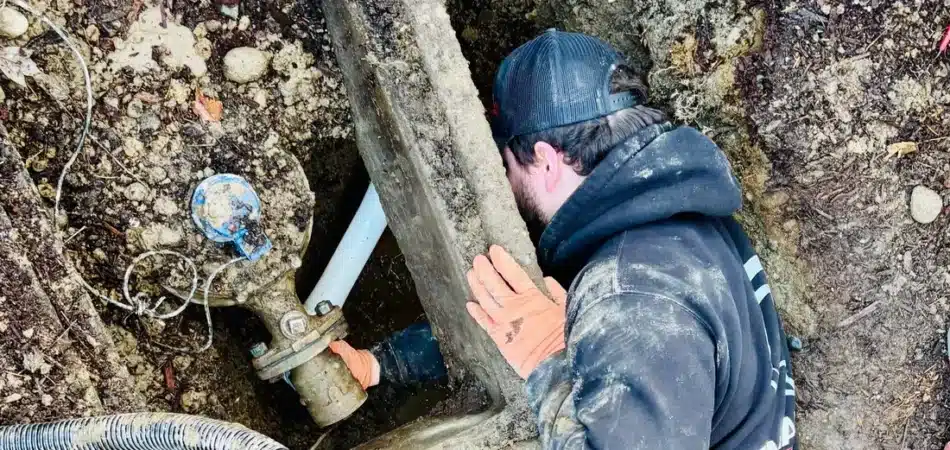
To increase water pressure in your Tacoma home, measure it first with a gauge on an outdoor hose bib, then find where the weak flow shows up. One weak faucet usually means a clogged aerator or showerhead. Weak flow everywhere points to a partly closed valve, a failing pressure-reducing valve, a leak, or old galvanized pipe. Fix the cause you find, and leave pressure-reducing valve adjustment and booster pumps to a plumber.
Weak showers, slow-filling tubs, and faucets that trickle are frustrating problems in any Tacoma home. Low pressure usually has a cause you can find, and several of the checks take only minutes with simple tools.
The median Tacoma home was built around 1968, and more than a quarter of local homes were built before 1940, so original galvanized supply lines still turn up in older houses. Worn pressure-reducing valves, partly closed valves, and clogged fixtures add to the problem, and the right fix depends on whether one fixture or the whole house is affected.
At Spartan Plumbing Inc., we have helped Pierce County homeowners solve water pressure problems since 1958 as a licensed and insured local team. Schedule a water pressure check with our Tacoma team if you would like a hand tracking down the cause.
Water pressure is the force that pushes water through your pipes, measured in pounds per square inch (psi). Tacoma Water delivers it to your meter, and under its customer service policies all piping beyond the meter is the property owner’s to install and maintain.
Where the weak flow shows up tells you where to look first. The table below matches each pattern to a likely cause.
| Where Pressure Is Weak | Likely Cause | Who Handles It |
|---|---|---|
| One faucet or shower | Clogged aerator or showerhead screen | You can clean it |
| Hot water only | Partly closed shutoff valve at the water heater, or a problem with the heater | You check the valve, we check the heater |
| Every fixture, all at once | Partly closed main valve or a failing pressure-reducing valve | You check the main valve, we adjust or replace the PRV |
| Every fixture, worse over the years | Corroded galvanized supply pipe | We inspect and replace the corroded runs |
Screw a pressure gauge from a Tacoma hardware store onto an outdoor hose bib, make sure no water is running in the house, and open the bib fully to read the static pressure. Then run the cold water at several taps and note where the flow is weak:
When one fixture runs weak, the aerator on the faucet tip or the screen in the showerhead is the usual cause. These small screens catch grit and rust flakes that break loose from older pipes, and they slowly choke the flow.
Unscrew the aerator or remove the showerhead, rinse out the debris, and test the flow without it. If the stream is strong with it off, clean or replace the screen.
After flushing mains, Tacoma Water advises removing faucet aerators and running the cold water for three to five minutes to clear sediment. If cleaning does not help, check the stop valve under the sink and the faucet cartridge next.
A partly closed valve is one of the easiest causes to rule out, and it costs nothing to check. After plumbing work in a Tacoma home, a main or fixture valve is sometimes left only partway open.
Find your main shutoff, often in a garage, crawl space, or closet, and confirm it is fully open. Then check the stop valves under sinks and behind toilets.
Do not force a stiff valve. If one will not open fully or drips at the stem, we can replace it, and our fully stocked trucks carry common replacement valves.
A pressure-reducing valve, or PRV, is usually a bell-shaped valve on the main supply line between the meter and the house that lowers incoming pressure. When a PRV fails, it can sharply reduce pressure at every fixture, or it can let pressure spike instead.
The Uniform Plumbing Code, adopted in Washington under WAC 51-56, requires a pressure regulator where static pressure is over 80 psi. Adjusting or replacing a PRV is a job for us, not a DIY step: we check it, adjust it, or replace it.
For how regulators work and the types you may find in a Tacoma home, see our homeowner guide to water pressure regulators.

If the fixtures, valves, and PRV all check out but pressure stays weak across the house, the pipes themselves may be the limit. Galvanized steel corrodes from the inside out, which narrows the pipe and restricts flow, and rust flakes that break loose can clog aerators and valves downstream.
Older Tacoma homes may still have original galvanized lines, and pipe that is too small for the home can limit pressure too. We inspect the lines and, where corrosion is widespread, replace the affected runs with copper or PEX. Our post on how repiping improves a Tacoma home remodel covers what that work involves.
Sometimes the plumbing is healthy, yet the pressure arriving at the meter is simply low. Elevation is one reason: pressure falls about 0.433 psi for every foot of rise, so a home on higher ground gets less.
Tacoma Water installs a larger 1-inch service pipe on new or renewed single-family services where pressure at the meter is under 40 psi. On request, it may also test flow and pressure at your service.
A booster pump raises pressure on the main line, but it does not fix a clogged fixture, a closed valve, or a bad PRV. Sizing and installing one is a job for us, and we confirm the diagnosis first and give you an upfront written estimate.
Measure the pressure, check the fixtures and valves you can reach, and bring in a plumber once the cause points to the PRV, the pipes, or the supply. For homeowners who need water pressure repair in Tacoma, we give an upfront written estimate before work begins and a free second opinion if another company has already recommended a booster pump or a repipe.
At Spartan Plumbing Inc., we have served Tacoma and Pierce County since 1958 with licensed and insured technicians and 24/7 human support. Call 253-231-7015 to get your water pressure back to normal.
A sudden drop at every fixture usually points to something upstream of the fixtures: a failing pressure-reducing valve, a main valve left partly open, a leak on the property, or work on the water main in your street. Check the main valve first, then read your meter for a leak, and have us check the PRV if both look fine.
Weak flow at a single fixture usually traces to a clogged aerator or showerhead screen. Unscrew the aerator or remove the showerhead, rinse out the grit and rust flakes, and test the flow without it. If the stream is still weak, check that the stop valve under the sink is fully open, then look at the faucet cartridge.
If cold water runs strong but hot water is weak, the cause is on the hot side, often at the water heater. Start by checking that the shutoff valve near the water heater is fully open. If it is open and the hot side stays weak, we can look at the water heater itself and the hot water lines.
Work on a Tacoma water main can stir up sediment that collects in faucet aerators and showerheads. Tacoma Water advises removing the aerators and running the cold water for three to five minutes. If low pressure or discolored water continues after that, report it to Tacoma Water, then have us check the home plumbing.
In Tacoma, the water utility maintains its system up to the meter, and all piping beyond the meter, including the buried line to the house, belongs to the property owner. On request, Tacoma Water may test flow and pressure at your service, and it bills a fee if the cause is on the property side.
Yes. Galvanized steel corrodes from the inside out, which narrows the pipe and restricts flow even when the pressure at the meter is fine. Rust flakes can also break loose and clog aerators and valves. Some older Tacoma homes may still have galvanized lines, and replacing the corroded runs with copper or PEX can bring the flow back.
A booster pump helps when the pressure arriving at the meter is genuinely too low, such as on a property at higher elevation. It will not fix a clogged fixture, a closed valve, a leak, or a failing PRV. We confirm the cause first, then size and install a pump only when the supply is the real problem.
You can safely test pressure with a hose bib gauge, clean aerators and showerheads, and make sure your valves are fully open. Adjusting or replacing a pressure-reducing valve and installing a booster pump are jobs for us, because the plumbing code requires a regulator when pressure is over 80 psi and too much pressure can damage fixtures and appliances.
 Book Now!