Emergency Plumbing in Tacoma & Pierce County 24/7 Live Answer Free Second Opinion Quality Plumbing Services
Emergency Plumbing in Tacoma & Pierce County 24/7 Live Answer Free Second Opinion Quality Plumbing Services
Emergency Plumbing in Tacoma & Pierce County 24/7 Live Answer Free Second Opinion Quality Plumbing Services
Emergency Plumbing in Tacoma & Pierce County 24/7 Live Answer Free Second Opinion Quality Plumbing Services

Text Us: 253-231-7015
Call Us: 253-231-7015
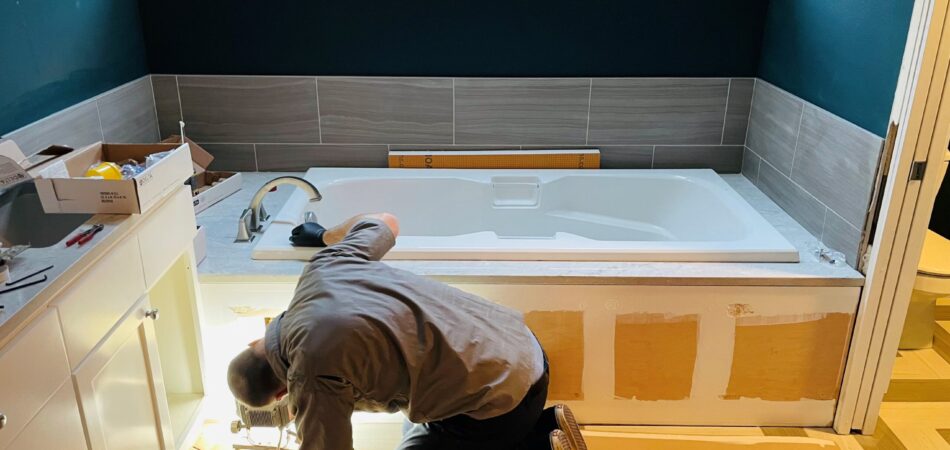
Hidden plumbing issues like slab leaks under foundations, deep tree roots in old sewer lines, and hidden pipe corrosion behind walls need professional diagnostics and the right tools to fix safely.
Tacoma’s housing stock skews old. The median home in the city was built in 1967, and roughly one in four homes dates to before 1940. That history shows up in plumbing: galvanized supply lines, cast iron drains, and clay sewer laterals that quietly hide problems behind walls, under slabs, and out by the street. Some of those problems are clear with a plunger and a YouTube video. Others don’t, and the wrong DIY move can turn a slow drip into a wall-replacement weekend.
For the issues a plunger can’t reach, Tacoma homeowners have called Spartan Plumbing Inc. since 1958. The six problems below are the ones we are called for most often after a DIY attempt has stalled. If you’re already past the tools you have on hand, our team offers a free second opinion before any work begins. Visit our residential plumbing page or call 253-231-7015.
Leaks are often the most elusive and damaging plumbing issues in a home. While some leaks are easily visible, others can go unnoticed, seeping into walls, floors, and ceilings, causing structural damage and fostering mold growth. According to the EPA’s WaterSense program, household leaks waste nearly 1 trillion gallons of water nationwide each year, and roughly 10% of U.S. homes have leaks that drip 90 gallons or more per day (EPA, 2026).
In older Tacoma neighborhoods like the North End, Stadium District, and Proctor, leaks tend to start at galvanized fittings that were installed decades ago and have been corroding from the inside ever since. A professional plumber uses specialized equipment, such as moisture meters and thermal imaging cameras, to pinpoint the exact location of a leak without opening up walls on a guess. Active leaks need to be stopped before they can be traced. That’s why our 24/7 emergency plumbing service handles flow control first and diagnosis second.
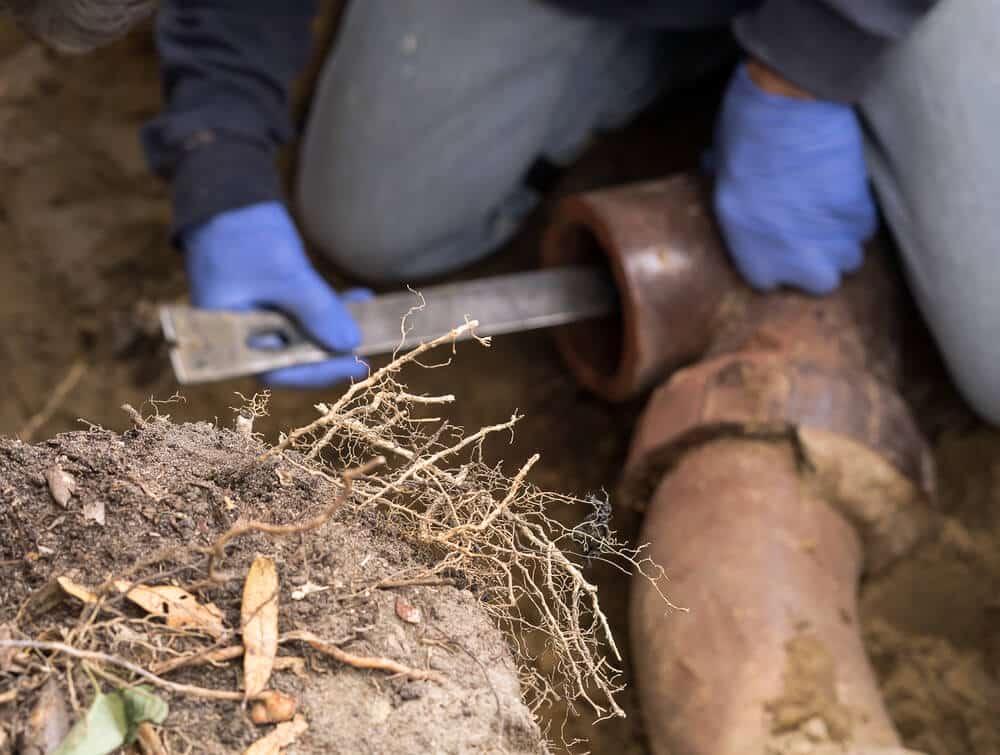 One of the most deceptive plumbing problems is a blockage within the piping system. While a clogged sink or toilet might seem like a mere inconvenience, hidden blockages in the main sewer line or deeply within the pipe network can cause recurring issues and even serious health risks. Tacoma’s older homes typically run on clay sewer laterals, and Pierce County’s mature trees push roots straight into the seams of those pipes.
We use video camera sewer inspection to look inside the line and see exactly where the blockage sits before any digging starts. Recurring kitchen and bath line clogs that come back within weeks usually need professional drain cleaning with a hydrojet rather than a hand snake, because a snake punches a hole through buildup while a jet scours the pipe wall.
Water heaters do real work in Tacoma’s climate, where Pierce County averages roughly 45 inches of rain per year (Tacoma itself runs closer to 41) and a damp, cool shoulder season runs from late October into May. The U.S. Department of Energy reports that water heating accounts for roughly 18% of a typical home’s energy consumption (DOE, 2026), so a unit running inefficiently quietly raises every utility bill you receive. Symptoms such as inconsistent water temperatures, strange noises, or leaks around the unit can point to underlying problems that only a trained plumber can diagnose properly.
Our team handles tasks such as flushing the tank, checking the anode rod, and confirming the heating elements are operating correctly. Attempting to address these issues without professional help can result in inadequate repairs and potential safety hazards. If your unit is past 10 years old, our water heater service page covers tank, tankless, and heat pump options that fit the Pacific Northwest climate.
Inconsistent or low water pressure can be more than a minor annoyance. It often signals a larger problem within your home’s plumbing system. Causes may include mineral buildup in fixtures, pipe corrosion, or hidden leaks. Pierce County water quality varies by source: neighborhoods served by different utilities can see different mineral content, and that variability can accelerate scale buildup in older galvanized supply lines. Professional plumbers are trained to systematically diagnose the root cause of pressure issues and implement long-lasting solutions. That diagnostic step is what separates a real fix from swapping fixtures and hoping the symptom goes away.
Problems with sewer lines are among the most serious and complex plumbing issues a Tacoma homeowner can face. Signs of trouble include slow drainage, bad odors, and unusual patches of lush vegetation in your yard. These issues can result from broken pipes, tree root intrusion, or misaligned pipe segments. They are common in pre-1970s Tacoma housing, where original clay laterals are still in service. Only professional plumbers have the equipment and expertise to conduct a thorough inspection and execute the right repair, which often involves trenchless sewer lining or replacement instead of trenching the entire yard. Handling these problems without professional guidance can lead to further damage and high financial costs.
Gas lines require meticulous care and professional expertise due to the inherent dangers of working with natural gas. Issues can include gas leaks, faulty connections, and improper installation. In Washington, gas line work requires a properly licensed contractor under state code, and attempting it as a DIY project is both highly risky and out of compliance. In Tacoma’s older homes, the gas piping behind walls and crawl spaces may date back decades and is not always documented. That history is exactly why professional inspection is the safer route. Our team has the certifications and field experience to inspect, repair, and maintain gas lines correctly.
| Issue | Safe to DIY | Call a pro |
|---|---|---|
| Slow single drain | Plunger or hand snake first | If it returns within a week or affects multiple fixtures |
| Visible faucet drip | Replace washer or cartridge | If supply lines are galvanized or you see green corrosion |
| Running toilet | Flapper or fill valve swap | If running continues after both |
| Low water pressure | Clean aerators | If pressure drops at multiple fixtures or recovers slowly |
| Water heater issues | Reset breaker or check pilot | Strange noises, rust in hot water, leaks at the base, or age 10+ years |
| Sewer line backup | Stop using water in the home | Always. This is a camera-inspection job, not a snake job. |
| Suspected gas leak | Leave the home and call your utility | Always. Gas work is licensed work in Washington. |
When a plumbing problem starts hiding behind walls, in a sewer lateral, or inside a water heater, the difference between a quick fix and an expensive one usually comes down to how soon a trained eye looks at it. Camera inspection, moisture mapping, and gas-line diagnostics are not jobs for a hardware-store toolkit, and most “small” leaks turn out to be larger by the time they make themselves visible.
Spartan Plumbing Inc. has been the call Tacoma and Pierce County homeowners make for problems DIY can’t reach since 1958. Every diagnosis includes a free second opinion and a written estimate before any work begins. Contact us today when you are ready for a real diagnosis.
Watch for a water bill that climbs without a usage change, a meter that keeps moving when every fixture is off, damp drywall, warped flooring, or a musty smell under a sink. In Tacoma homes built before the 1970s, the source is often a corroding galvanized supply joint behind drywall.
Tacoma’s median home was built in 1967, and about 26.9% of housing predates 1940 (U.S. Census / ACS). Most older homes still run on galvanized supply lines and clay sewer laterals, both of which reach the end of their service life between 40 and 70 years.
Yes, especially for any Tacoma home built before the 1980s. A camera inspection is the only reliable way to see whether your clay or cast iron lateral is intact, root-intruded, bellied, or cracked, since standard home inspections do not include the lateral line out to the city main.
Most tank water heaters last 8 to 12 years, tankless units 15 to 20, and heat pump units 13 to 15 (DOE / ENERGY STAR). Plan a replacement when you see rust-colored hot water, rumbling from the tank, water pooling at the base, or steadily climbing energy bills.
Yes. Tree roots are a leading cause of sewer line failure in older Tacoma neighborhoods, where big-leaf maples, cedars, and Douglas firs push fine roots into the joints of clay or cast iron laterals. A camera inspection confirms the location, and hydrojetting or trenchless replacement is the long-term fix.
No. Washington L&I requires gas piping work to be performed by a certified plumber or registered contractor, and most Pierce County jurisdictions require a permit plus a pressure-test inspection. Insurers commonly deny claims tied to unpermitted gas work. If you smell gas, leave the home and call your utility.
Galvanized supply pipes are dull silver-gray, magnetic, and noticeably heavier than copper or PEX. Scratch an exposed section near the water heater with a flat-head screwdriver: silver underneath means galvanized, orange-pink means copper. Tacoma homes built before about 1960 were typically plumbed with galvanized steel, now well past its 40 to 50 year service life.
Low water pressure in a Tacoma home is most often caused by mineral buildup in fixtures, corrosion in older galvanized supply lines, or a hidden leak between the meter and the home. A drop at one fixture usually points to the aerator; a drop across the whole house points to the main, the pressure-reducing valve, or municipal supply.
 Book Now!