Emergency Plumbing in Tacoma & Pierce County 24/7 Live Answer Free Second Opinion Quality Plumbing Services
Emergency Plumbing in Tacoma & Pierce County 24/7 Live Answer Free Second Opinion Quality Plumbing Services
Emergency Plumbing in Tacoma & Pierce County 24/7 Live Answer Free Second Opinion Quality Plumbing Services
Emergency Plumbing in Tacoma & Pierce County 24/7 Live Answer Free Second Opinion Quality Plumbing Services

Text Us: 253-231-7015
Call Us: 253-231-7015

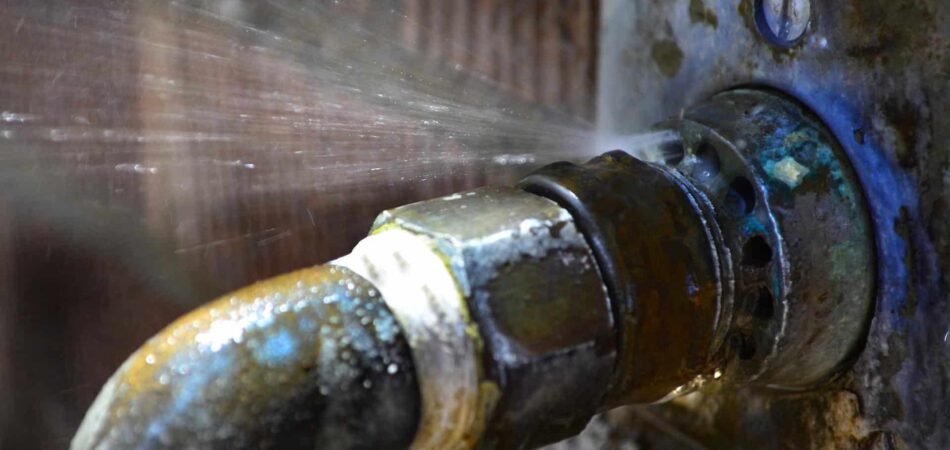
Slab leaks are serious plumbing problems that occur when pipes beneath your home’s concrete foundation start leaking. They can lead to high water bills, warm spots on floors, low water pressure, and, if left untreated, structural damage, mold growth, or foundation issues. Homeowners should watch for warning signs such as unexplained increases in water usage, the sound of running water when all fixtures are off, or damp spots on floors. Early detection using professional tools like acoustic sensors and thermal imaging is essential for cost-effective repairs, which can range from minor fixes to major repiping.
Slab leaks are hidden water leaks beneath your home’s concrete foundation. They can go undetected for months, causing structural damage, mold growth, and rising water bills. Early detection and professional intervention are critical to protecting your property.
If you suspect a slab leak in your home, Spartan Plumbing Inc. offers expert detection and repair services to safeguard your property. Contact us today for an assessment!
A slab leak occurs when water pipes beneath your home’s concrete foundation develop cracks or corrosion, allowing water to escape into the slab.
Slab leaks are caused by several factors:
Because these pipes are hidden beneath concrete, finding leaks requires specialized equipment like electronic leak detectors or thermal imaging. Understanding the potential causes helps homeowners prevent leaks before they escalate.
Slab leaks are often subtle, but several indicators can alert you to their presence before major damage occurs.
 Common signs include:
While a single symptom may not confirm a leak, multiple signs together strongly suggest professional inspection is needed. Early detection saves homeowners from costly structural damage.
If left untreated, slab leaks can cause structural damage, mold growth, health risks, and decreased property value.
Key dangers include:
These risks highlight why ignoring a slab leak can have serious long-term consequences. Professional intervention is critical for both safety and property preservation.
Professional plumbers use advanced equipment to locate leaks quickly and accurately without unnecessary destruction to your home.
Detection methods include:
DIY detection methods are often unreliable and can delay repairs, worsening damage. Hiring a professional ensures leaks are found and repaired efficiently.
While some slab leaks are unavoidable, regular maintenance and early precautions can reduce the risk.
Preventative measures include:
Being proactive can significantly reduce the likelihood of a costly slab leak.
Slab leaks are complex, hidden issues that require specialized tools and expertise. DIY repairs often worsen the problem or damage your foundation.

Professional plumbers, like those at Spartan Plumbing Inc. can:
Attempting a DIY repair may seem cost-effective, but it can lead to more expensive structural or water damage down the line.
Repairs depend on the severity and location of the leak but generally involve either pipe rerouting, epoxy pipe lining, or slab cutting.
Repair options include:
A professional assessment ensures the best method is chosen to protect your foundation and restore your plumbing system efficiently.
Take action immediately to prevent further damage.
Steps to follow:
Acting early protects your home, health, and finances.
Professional services are essential for detecting, repairing, and preventing slab leaks, ensuring your home stays safe and dry.
Slab leaks may be hidden, but their consequences are serious. By understanding the warning signs, knowing the risks, and working with trained professionals, homeowners can minimize damage and maintain a safe living environment. Spartan Plumbing Inc. provides expert slab leak detection, repair, and preventative services for Tacoma residents.
Don’t wait until minor issues escalate—contact us today to schedule a professional assessment and protect your home!
Yes. Water leaking beneath the concrete slab can soften subfloor materials, causing carpets, tiles, or hardwood to warp, buckle, or feel uneven.
Slab leaks can escalate quickly, sometimes within weeks, depending on water pressure, soil type, and pipe material. Early detection is key to preventing major damage.
Homes with older plumbing systems, copper pipes, or high water pressure are at higher risk.
Slab leaks usually present with floor moisture, warm spots, or elevated water bills, while roof leaks cause water stains on ceilings or walls and are weather-dependent.
You can shut off the main water supply to prevent further flooding, but this is a temporary measure. Professional repair is essential to fully resolve the leak.
 Book Now!