Emergency Plumbing in Tacoma & Pierce County 24/7 Live Answer Free Second Opinion Quality Plumbing Services
Emergency Plumbing in Tacoma & Pierce County 24/7 Live Answer Free Second Opinion Quality Plumbing Services
Emergency Plumbing in Tacoma & Pierce County 24/7 Live Answer Free Second Opinion Quality Plumbing Services
Emergency Plumbing in Tacoma & Pierce County 24/7 Live Answer Free Second Opinion Quality Plumbing Services
Text Us: 253-231-7015
Call Us: 253-231-7015
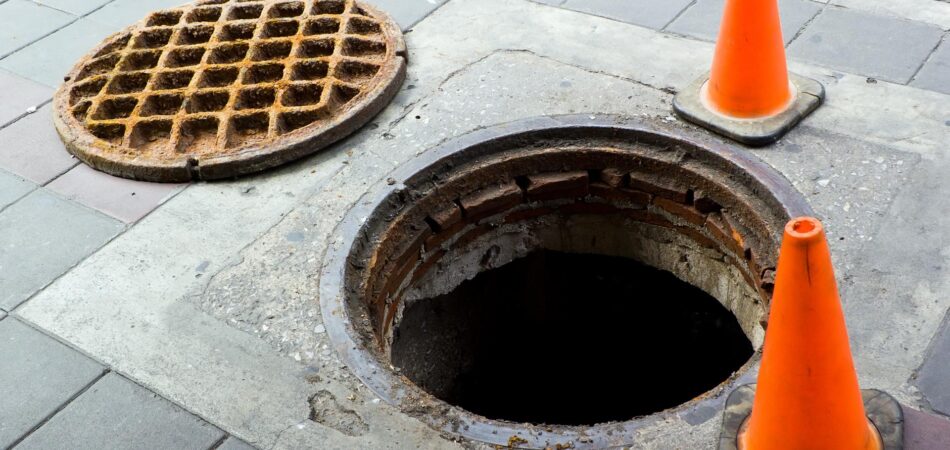
Sewer line problems in Tacoma, WA, are common, particularly in older neighborhoods with aging infrastructure. Homeowners in Tacoma are generally responsible for the entire side sewer line, running from the house to the city main, even if it extends under the street. Recognizing early warning signs like slow drains, gurgling toilets, or unusual wet spots in your yard can help avoid severe, costly, and messy emergency repairs.
Sewer line problems are among the most disruptive and costly plumbing issues a Tacoma homeowner can face. A damaged or blocked sewer lateral affects every drain and toilet in the house at once, and left unaddressed, it can cause sewage backups, foundation damage, and serious health hazards.
The good news is that most sewer line problems give clear warning signs before they become emergencies. Knowing what to look for, what causes sewer line damage, and when to call a licensed plumber can save you thousands of dollars and weeks of disruption.
At Spartan Plumbing Inc., our team has diagnosed and repaired sewer line problems for Tacoma and Pierce County homeowners since 1958. If you are noticing slow drains, sewage odors, or wet spots in your yard, contact our team or call 253-231-7015. We answer 24/7 and will identify the source of the problem before recommending any repairs.
Tacoma has a large stock of homes built before 1970, and many of those properties still have their original sewer laterals. The most common pipe materials from that era are clay and cast iron. Clay pipe is brittle, susceptible to root intrusion at every joint, and prone to cracking as soil shifts over time. Cast iron corrodes from the inside out over decades, developing rough surfaces that collect grease and debris until flow is restricted or blocked entirely.
Tacoma also has a history of combined sewer infrastructure in some neighborhoods, where storm water and sewage share the same lines. That older infrastructure, combined with the mature street tree canopy common across established Tacoma neighborhoods like the North End, Proctor, South Tacoma, and the Stadium District, creates conditions where root intrusion into aging sewer laterals is a frequent finding during camera inspections.
According to the Water Environment Federation, the United States has an estimated 800,000 miles of public sewer lines, a large share of which are past their design life. In Tacoma, where much of the residential sewer lateral network was installed 50 to 70 years ago, the risk of age-related failure is higher than in newer communities.
Sewer line damage rarely appears without warning. The following symptoms indicate a problem in the main sewer line rather than an individual fixture drain.
Any one of these symptoms in a Tacoma home built before 1970 warrants a sewer camera inspection before the problem worsens.
Tree root intrusion is the most common cause of sewer line blockages and damage in established Tacoma neighborhoods. Roots grow toward moisture and nutrients, and the warm, nutrient-rich water inside a sewer lateral is an ideal target. Roots enter through joints, small cracks, and any point where the pipe seal has degraded over time.
Once inside the pipe, roots do not stop growing. They expand year after year, gradually reducing the interior diameter until flow is restricted, then eventually causing a blockage or splitting the pipe entirely. In Tacoma, mature trees along residential streets, including maples, oaks, and ornamental cherries common throughout the North End and Proctor neighborhoods, have root systems that extend well beyond the tree canopy and routinely reach sewer laterals.
Root intrusion requires professional equipment to address correctly. A sewer camera inspection identifies the location and extent of the intrusion. Hydro-jetting with a root-cutting attachment removes existing roots from the pipe. Depending on how much damage the roots have caused, trenchless sewer lining (CIPP) or pipe replacement may be needed to prevent recurrence.

Sewer lines made from cast iron or clay deteriorate over time in ways that are not visible from the surface. Cast iron corrodes internally, developing rough pipe walls that trap grease and solids. Clay pipe dries out and becomes brittle, cracking at joints and along the pipe body as soil moves around it.
In Tacoma homes built before 1970, sewer laterals have often been in the ground for 55 to 70 years without replacement. The design life of vitrified clay pipe is typically 50 to 100 years under ideal conditions, but root intrusion, soil movement, and the accumulation of grease and debris accelerate deterioration well before that theoretical limit.
Corroded or cracked pipes cannot be cleared by snaking or hydro-jetting alone. Where camera inspection reveals significant pipe wall deterioration, two repair options exist. Trenchless cured-in-place pipe lining (CIPP) installs a resin-impregnated liner inside the existing pipe, sealing cracks and restoring the smooth interior without excavation. Full pipe replacement via open excavation is needed where the pipe has collapsed or where root damage has destroyed the pipe structure entirely. A licensed plumber with camera equipment can assess which approach is right for your specific situation.
A blockage in the main sewer line is different in kind from a clogged individual drain. Where a clogged sink affects one fixture, a main sewer line blockage affects every drain and toilet in the house. The most common causes are grease accumulation, flushed solids (wipes, paper towels, hygiene products), root intrusion, and debris buildup in older pipes with rough interior surfaces.
According to the National Association of Clean Water Agencies (NACWA), fats, oils, and grease are among the leading contributors to sewer blockages in residential systems. In Tacoma homes with older cast iron drain lines, grease adheres to rough corroded pipe walls more readily than in modern PVC, accelerating blockage formation.
A household plunger or store-bought drain cleaner cannot clear a main sewer line blockage. Hydro-jetting equipment clears the full pipe diameter and flushes debris through the line. A professional drain cleaning service followed by a camera inspection confirms the line is fully clear and identifies any underlying pipe condition issues that caused the blockage.
Tacoma sits within the Puget Sound Lowland seismic zone, one of the more seismically active regions in the continental United States. Ground movement from earthquakes, soil settlement, and construction activity can shift, misalign, crack, or collapse buried sewer pipes. Even minor ground movement can cause a pipe joint to separate, creating a gap that leaks sewage into the surrounding soil and allows root intrusion at the new opening.
Clay sewer pipes are particularly vulnerable to ground movement because they rely on tight joint connections rather than continuous pipe integrity. When a joint separates even slightly, the pipe offset that results disrupts flow, collects debris, and invites root penetration.
Soil settlement is an ongoing issue in parts of Tacoma built on fill or clay-heavy soils. Pipes installed in these areas can sag over time as the soil beneath them compresses, creating low points in the line where solids collect and blockages form repeatedly.
Ground shift damage is not detectable from the surface. A sewer camera inspection identifies pipe offsets, joint separations, and sagging sections with precision, allowing a plumber to target repairs accurately rather than excavating blindly.
| Method | How It Works | Best For |
|---|---|---|
| Trenchless CIPP Lining | A resin-impregnated liner is inserted and cured inside the existing pipe, sealing cracks and restoring smooth interior flow | Cracked, corroded, or root-damaged pipes that retain their basic structure |
| Pipe Bursting | A bursting head fractures the old pipe outward while simultaneously pulling a new pipe into place behind it | Pipes that are too deteriorated for lining but where minimal excavation is preferred |
| Traditional Excavation | The ground above the pipe is excavated and the damaged section is removed and replaced | Collapsed pipes, major pipe offsets, or situations where access for trenchless methods is not possible |
| Hydro-Jetting | High-pressure water is directed through the pipe to clear grease, roots, and debris from the full pipe diameter | Grease-based blockages, root removal (in combination with root-cutting), and post-repair line cleaning |
Sewer line problems require accurate diagnosis before any repair can be effective. Without a camera inspection, there is no way to know whether a blockage is caused by grease accumulation, root intrusion, a pipe offset, or a collapsed section. Each of those problems requires a different solution, and applying the wrong one wastes time and money while the actual problem continues to worsen.
Chemical drain cleaners are not designed for main sewer line blockages. They are formulated to dissolve organic matter near the drain opening and have little effect on blockages deep in the line. Repeated use corrodes older pipe materials, particularly cast iron, and creates additional problems without resolving the original one.
Improper use of mechanical augers can push a blockage further into the line, perforate a pipe that is already weakened by corrosion, or snap inside the pipe and create a new obstruction. A licensed plumber uses camera equipment to confirm the location and nature of the problem before selecting the correct tool and method.
Call a licensed plumber promptly when you notice any of the following:
Spartan Plumbing Inc. offers 24/7 emergency plumbing across Tacoma and Pierce County, a free second opinion on any diagnosis you have already received, and financing options for larger sewer repairs.
Spartan Plumbing Inc. inspects, cleans, lines, and replaces sewer lines for homeowners and businesses across Tacoma, Lakewood, Puyallup, Federal Way, Gig Harbor, and the rest of Pierce County. If you are seeing warning signs of a sewer line problem, contact our team or call 253-231-7015. We answer 24/7, will give you a complete camera inspection report, and will give you upfront pricing on any repairs before any work begins.
The most common warning signs of a sewer line problem in a Tacoma home are multiple slow drains at the same time, gurgling sounds from toilets or drains when other fixtures are in use, sewage odors inside the home or in the yard, sewage backing up into tubs or floor drains, and unexplained wet or soggy patches in the yard away from irrigation zones. In Tacoma homes built before 1970, these symptoms are more likely to indicate a damaged or deteriorated sewer lateral than a simple clog, and a sewer camera inspection is the most direct way to confirm the cause.
The most common causes of sewer line problems in older Tacoma homes are tree root intrusion, pipe corrosion and aging, and ground shifting. Many Tacoma homes built before 1970 still have original clay or cast iron sewer laterals. Clay pipe is brittle and susceptible to root intrusion at every joint. Cast iron corrodes from the inside out, developing rough surfaces that trap grease and debris. Tacoma’s mature street tree canopy, seismically active Puget Sound Lowland soils, and clay-heavy ground conditions all contribute to higher-than-average rates of sewer lateral damage in established neighborhoods.
Tree roots grow toward the moisture and nutrients inside sewer pipes, entering through joints, small cracks, and degraded seals. Once inside, roots expand year after year, gradually reducing flow until the pipe is blocked or split. In Tacoma, mature street trees including maples, oaks, and ornamental cherries in neighborhoods like the North End, Proctor, and South Tacoma have root systems that routinely reach sewer laterals. A sewer camera inspection identifies the location and extent of root intrusion, and hydro-jetting with a root-cutting attachment removes existing roots. Trenchless sewer lining or pipe replacement may be needed where root damage has compromised the pipe structure.
No. A main sewer line blockage cannot be resolved with a household plunger or store-bought drain cleaner. Chemical drain cleaners have little effect on deep blockages and corrode older cast iron pipes with repeated use. Improper use of a mechanical auger can push the blockage further into the line, perforate a weakened pipe wall, or snap inside the pipe and create a new obstruction. A licensed plumber uses a sewer camera to confirm the location and cause of the blockage before selecting the correct tool, whether hydro-jetting equipment, a root-cutting auger, or a combination of both.
Trenchless sewer lining, also called cured-in-place pipe lining (CIPP), is a repair method where a resin-impregnated liner is inserted into the existing damaged pipe and cured in place, sealing cracks, restoring the smooth interior surface, and extending the pipe’s useful life without excavation. It is available in Tacoma through Spartan Plumbing Inc. and is suitable for cracked, corroded, or root-damaged pipes that retain their basic structure. Where the pipe has collapsed or the damage is too extensive for lining, traditional excavation and pipe replacement is the correct approach. A sewer camera inspection determines which method is appropriate for your specific pipe condition. Contact Spartan Plumbing Inc. at 253-231-7015 to schedule an inspection.
Tacoma sits within the Puget Sound Lowland seismic zone, one of the more seismically active regions in the continental United States. Ground movement from earthquakes, soil settlement, and construction activity can shift, misalign, crack, or collapse buried sewer pipes. Clay-heavy soils common across Pierce County compress over time, causing pipes to sag and creating low points where solids collect and blockages form repeatedly. Pipe joints that separate from ground movement create gaps that leak sewage into surrounding soil and invite root intrusion at the new opening. A sewer camera inspection identifies pipe offsets, joint separations, and sagging sections with precision.
Sewer line repair costs in Tacoma and Pierce County vary depending on the type and extent of the damage, the repair method used, and pipe depth and access. Hydro-jetting to clear a blockage is typically the least expensive option. Trenchless CIPP lining costs more than hydro-jetting but significantly less than full excavation and replacement, and avoids the cost of yard and landscape restoration. Full pipe replacement via excavation is the most expensive option and is reserved for collapsed pipes or situations where trenchless methods are not possible. For accurate pricing specific to your home and sewer line condition, contact Spartan Plumbing Inc. at 253-231-7015. Financing options are available for larger repairs.
Sewer line replacement is necessary when a camera inspection reveals a collapsed pipe, a pipe offset too severe for lining, extensive root damage that has destroyed the pipe structure, or a pipe that has deteriorated past the point where lining can restore adequate flow. In Tacoma homes built before 1970 with original clay or cast iron laterals that have never been inspected or serviced, replacement is often the more cost-effective long-term solution compared to repeated repairs on a pipe that continues to fail. Spartan Plumbing Inc. offers both trenchless and traditional excavation replacement options and will recommend the right approach based on a full camera inspection of your line. Call 253-231-7015 to schedule.
 Book Now!