Emergency Plumbing in Tacoma & Pierce County 24/7 Live Answer Free Second Opinion Quality Plumbing Services
Emergency Plumbing in Tacoma & Pierce County 24/7 Live Answer Free Second Opinion Quality Plumbing Services
Emergency Plumbing in Tacoma & Pierce County 24/7 Live Answer Free Second Opinion Quality Plumbing Services
Emergency Plumbing in Tacoma & Pierce County 24/7 Live Answer Free Second Opinion Quality Plumbing Services

Text Us: 253-231-7015
Call Us: 253-231-7015

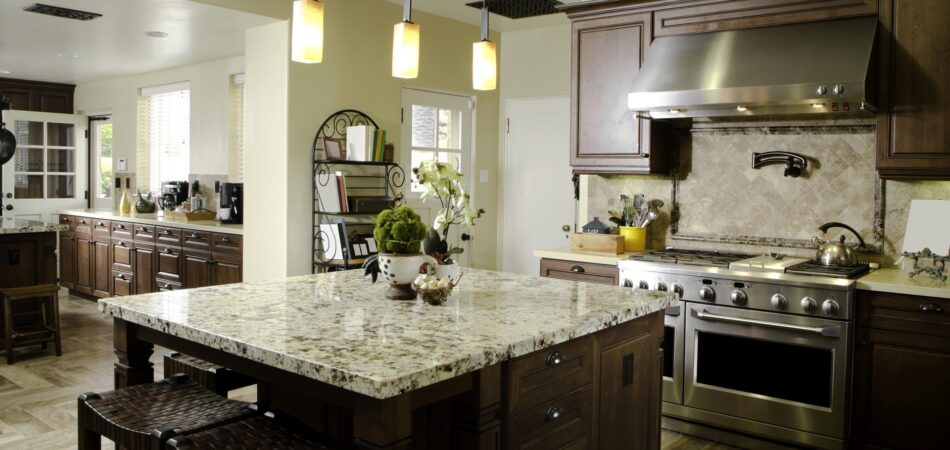
Common kitchen plumbing problems in Tacoma, WA—ranging from clogged drains to garbage disposal failures—are frequently caused by aging infrastructure, high mineral content in water, and the accumulation of grease and food debris. Because Tacoma has many historic homes, older pipe materials (like galvanized steel or cast iron) are common, which are more susceptible to corrosion, leaks, and clogging.
Kitchen plumbing problems are among the most disruptive issues a Tacoma homeowner can face. A clogged sink, leaky faucet, or failing garbage disposal can stop meal prep and dish cleaning in their tracks, and in older homes, these problems tend to show up more often and run deeper than a quick fix can solve.
This guide covers the most common kitchen plumbing issues in Tacoma and Pierce County homes, what causes them, what you can do yourself, and when to call a licensed plumber.
At Spartan Plumbing Inc., our team has diagnosed and repaired kitchen plumbing problems for Tacoma homeowners since 1958. If your kitchen sink is draining slowly, your faucet is dripping, or something under the sink does not look right, request a free assessment or call 253-231-7015. We answer 24/7 and will give you an honest diagnosis before any work begins.
A large portion of Tacoma’s housing stock dates to before 1970. Many of those homes still have original galvanized steel or cast iron supply and drain pipes. Galvanized pipes corrode from the inside out over decades, narrowing the interior diameter and reducing water pressure. Cast iron drain pipes develop rough surfaces that trap grease, food debris, and soap residue far more readily than modern PVC.
On top of aging pipe materials, cooking grease is the single biggest driver of kitchen drain clogs in the Pacific Northwest. According to the Water Environment Federation, fats, oils, and grease poured down kitchen drains account for nearly 47 percent of the approximately 36,000 sewer overflows reported annually in the United States. Even small amounts of grease that cool and solidify inside a drain pipe build up layer by layer until the pipe is fully blocked.
Understanding both factors, pipe age and grease accumulation, is the starting point for addressing kitchen plumbing problems in a Tacoma home.
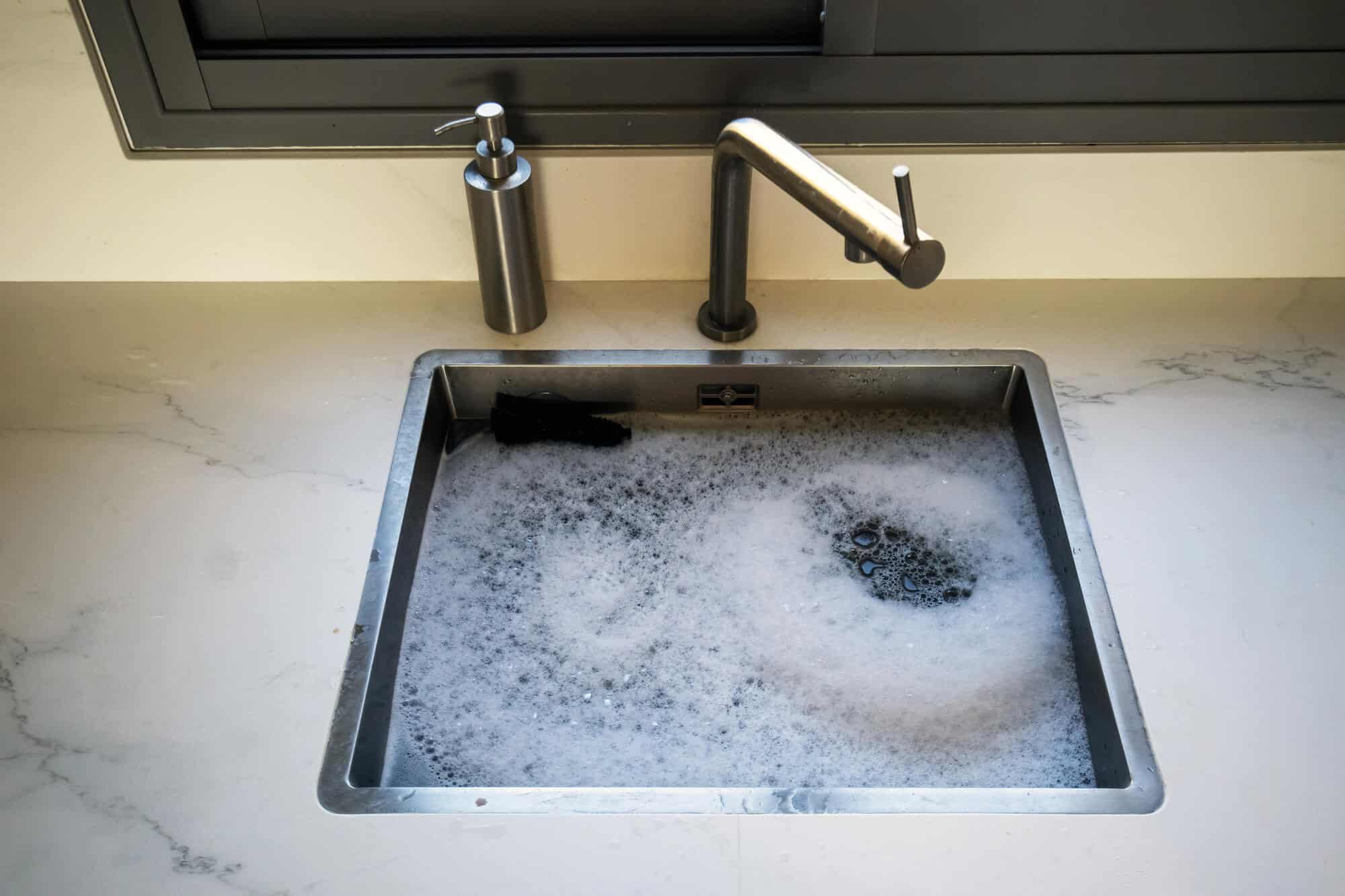
A clogged kitchen sink is the most common kitchen plumbing complaint. Food debris, cooking grease, and soap residue accumulate inside the drain pipe over time, slowing drainage until the pipe is fully blocked. In homes with older cast iron drain lines, this process happens faster because the rough pipe interior gives buildup more to grip.
For a mild clog near the drain opening, a plunger or a baking soda and vinegar flush can break up light debris. Pour half a cup of baking soda into the drain, follow with half a cup of white vinegar, let it sit for 15 minutes, and then flush with hot water. Avoid caustic chemical drain cleaners, as they corrode older metal pipes over time.
For grease-based clogs deeper in the line or any clog that keeps returning, professional drain cleaning with hydro-jetting equipment removes the blockage completely and flushes grease buildup from the pipe walls. A drain snake only punches through the center of a clog. Hydro-jetting clears the full pipe diameter.
A dripping kitchen faucet wastes more water than most homeowners expect. According to the U.S. Environmental Protection Agency (EPA), a faucet that drips once per second wastes more than 3,000 gallons of water per year. That shows up directly on your water bill and adds unnecessary wear to the faucet components.
Most kitchen faucet leaks come from one of three sources: a worn cartridge or ceramic disc inside the faucet body, a deteriorated O-ring or seat washer at the valve seat, or a loose packing nut under the handle. In single-handle faucets, cartridge replacement is usually the fix. In older two-handle faucets, replacing the seat washer and O-ring resolves most drips.
If you are comfortable with basic plumbing repairs, cartridge replacement is a manageable DIY task with the right replacement part for your faucet model. If the leak is at the base of the faucet, under the sink, or involves the supply line connections, call a plumber. Water pooling under the sink can damage the cabinet floor and subfloor quickly, and the source of a base leak is not always obvious without pulling the faucet.
A garbage disposal that hums but does not spin has a jammed grinding plate. A disposal that does nothing at all has either tripped its internal reset button or has a failed motor. Knowing which problem you have determines whether a DIY fix works.
For a jammed disposal, turn off the power at the wall switch first, then use a disposal wrench or a standard Allen wrench in the hex port at the bottom center of the unit to manually rotate the grinding plate and free the jam. Once freed, press the red reset button on the bottom of the unit before restoring power. Never put your hand inside a disposal, even when the power is off.
For a disposal that produces no sound or movement at all, check the reset button first. If the reset button pops back out immediately or the unit still does not respond, the motor has likely failed and the unit needs replacement. Disposal motors are not serviceable components. Most residential disposals last 8 to 15 years. If yours is older than that and failing repeatedly, replacement is more cost-effective than repeated service calls. A licensed plumber can replace the unit and make sure the drain connection and electrical hookup are correct.
Low water pressure at the kitchen faucet has four common causes, and identifying the right one avoids unnecessary repairs.
Most dishwasher problems that look like appliance failures are actually plumbing problems. Poor drainage, water pooling at the bottom of the tub, and water leaking onto the kitchen floor all trace back to the drain line, the drain air gap, or the connection to the kitchen sink drain.
A dishwasher that does not drain fully usually has a clogged drain hose, a blocked air gap on the countertop, or a clog in the garbage disposal drain port where the dishwasher line connects. Check the air gap first — it is the small cylindrical fitting near the faucet on the countertop. Remove the cap and clear any debris from inside. If the air gap is clear and the disposal drain port is also clear, the drain hose itself may be kinked or clogged and will need to be removed and flushed.
Water leaking from underneath the dishwasher onto the floor usually comes from a cracked or loose drain hose connection, a failed door gasket, or a damaged water inlet valve. Door gasket replacement is straightforward. Supply line and drain connection repairs involve shutting off the water supply and are better handled by a plumber if you are not experienced with appliance plumbing connections.
| Problem | Try This First | Call a Plumber When |
|---|---|---|
| Clogged kitchen sink | Plunger, baking soda and vinegar flush | Clog returns within days or is grease-based deep in the line |
| Dripping faucet | Replace cartridge or seat washer | Leak is at the base, under the sink, or involves supply lines |
| Jammed garbage disposal | Allen wrench reset, reset button | Motor fails to respond or unit is over 10 years old |
| Low water pressure | Clean aerator, check supply valves | Pressure is low at multiple fixtures or pipes are galvanized |
| Dishwasher not draining | Clear air gap, check disposal drain port | Drain hose is clogged, cracked, or leaking at connections |
| Water leak under sink | Tighten P-trap connections | Leak source is unclear, pipes are corroded, or water has reached the subfloor |
DIY repairs work well for surface-level problems. A plumber is the right call when the problem is deeper, recurring, or involves components that carry real risk if handled incorrectly.
Call a licensed plumber when:
Spartan Plumbing Inc. has handled kitchen plumbing repairs and remodels for Tacoma and Pierce County homeowners since 1958. Our licensed plumbers carry the tools and experience to diagnose the actual source of a problem, not just the symptom, and to fix it in a way that holds. For complex or recurring kitchen plumbing issues, a sewer camera inspection can identify exactly what is happening inside older drain lines before further damage occurs.
Spartan Plumbing Inc. repairs and services kitchen plumbing for homeowners and businesses across Tacoma, Lakewood, Puyallup, Federal Way, Gig Harbor, and the rest of Pierce County. If your kitchen sink is slow, your faucet is dripping, or a problem under the sink keeps coming back, contact our team or call 253-231-7015. We answer 24/7, will assess the problem, and give you upfront pricing before any work begins.
Cooking grease, food debris, and soap residue are the most common causes of kitchen sink clogs in Tacoma homes. According to the Water Environment Federation, fats, oils, and grease poured down kitchen drains account for nearly 47 percent of the approximately 36,000 sewer overflows reported annually in the United States. In Tacoma’s older homes with cast iron or galvanized drain pipes, grease and debris accumulate faster because aged pipe interiors are rougher and more prone to buildup than modern PVC pipes.
Start with a plunger to break up the clog mechanically. If that does not work, pour half a cup of baking soda into the drain followed by half a cup of white vinegar, let it sit for 15 minutes, then flush with hot water. Avoid caustic chemical drain cleaners, which corrode older cast iron and galvanized pipes common in Tacoma homes. If the sink clogs again within a few days, the blockage is likely grease-based deeper in the line and needs professional hydro-jetting to clear fully.
A kitchen faucet that drips once per second wastes more than 3,000 gallons of water per year, according to the U.S. Environmental Protection Agency (EPA). That volume adds a noticeable amount to a Tacoma homeowner’s water bill over time. Most dripping faucets are caused by a worn cartridge, a deteriorated seat washer, or a failing O-ring, all of which a licensed plumber can replace quickly and correctly.
Low kitchen water pressure in Tacoma homes is most often caused by a clogged faucet aerator, a corroded supply valve, or galvanized pipes that have narrowed internally from rust buildup over decades. Start by unscrewing and cleaning the aerator at the tip of the faucet spout. If pressure does not improve, check that both supply valves under the sink are fully open. If low pressure affects multiple fixtures throughout the home, the pressure regulator may be failing and will need a licensed plumber to replace.
If the disposal hums but does not spin, the grinding plate is jammed. Turn off the power at the wall switch, then use an Allen wrench in the hex port at the bottom center of the unit to manually rotate the plate and free the jam. Press the red reset button on the bottom of the unit before restoring power. If the disposal makes no sound at all, press the reset button first. If the motor still does not respond, the unit has likely failed and needs replacement by a licensed plumber.
A dishwasher that does not drain fully usually has a clogged air gap, a blocked garbage disposal drain port, or a kinked drain hose. Check the air gap first — it is the small cylindrical fitting on the countertop near the faucet. Remove the cap and clear any debris inside. If the air gap is clear, check that the drain port on the garbage disposal where the dishwasher line connects is also clear. If neither fixes the problem, the drain hose may need to be removed and flushed, which is a job for a licensed plumber.
Call a licensed plumber when the same drain clogs repeatedly after clearing, when low water pressure affects multiple fixtures throughout the home, when there is water damage under the sink or on the cabinet floor, or when a repair involves shutting off the main water supply or working on connections behind the wall. Surface-level fixes like cleaning an aerator or resetting a disposal are reasonable DIY tasks. Anything involving pipe condition, water damage, or component replacement is better handled by a professional. Spartan Plumbing Inc. answers 24/7 at 253-231-7015.
Yes. Many Tacoma homes built before 1970 still have original galvanized steel supply pipes or cast iron drain pipes. Galvanized pipes corrode from the inside out, reducing water pressure and occasionally releasing rust particles into the water supply. Cast iron drain pipes develop rough interior surfaces that trap grease and debris faster than modern PVC. If your home has recurring kitchen drain clogs or consistently low water pressure and was built before 1970, a sewer camera inspection can confirm whether pipe condition is the underlying cause.
 Book Now!