Emergency Plumbing in Tacoma & Pierce County 24/7 Live Answer Free Second Opinion Quality Plumbing Services
Emergency Plumbing in Tacoma & Pierce County 24/7 Live Answer Free Second Opinion Quality Plumbing Services
Emergency Plumbing in Tacoma & Pierce County 24/7 Live Answer Free Second Opinion Quality Plumbing Services
Emergency Plumbing in Tacoma & Pierce County 24/7 Live Answer Free Second Opinion Quality Plumbing Services
Text Us: 253-231-7015
Call Us: 253-231-7015
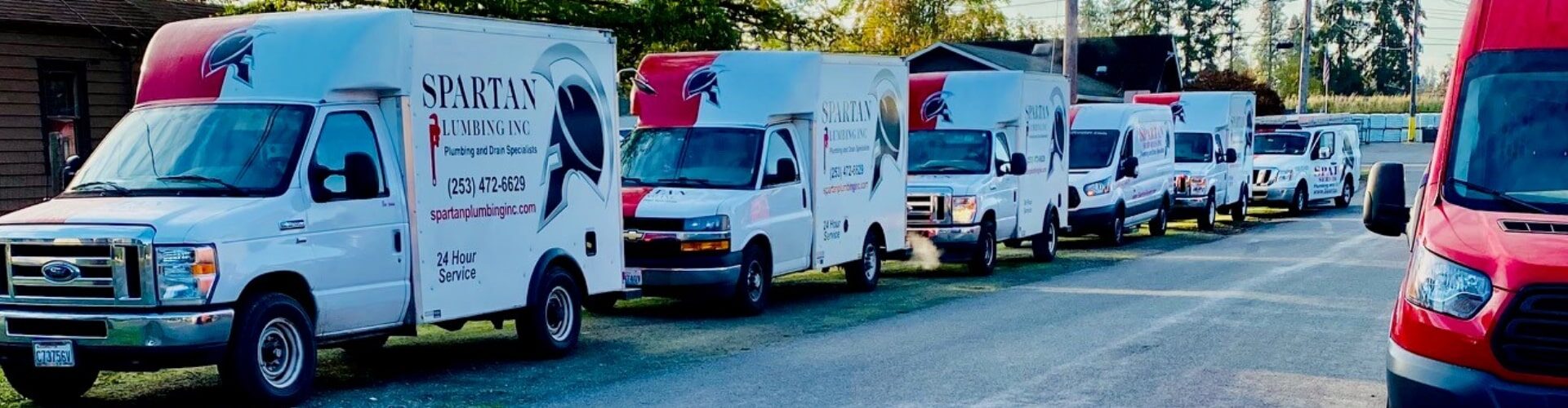
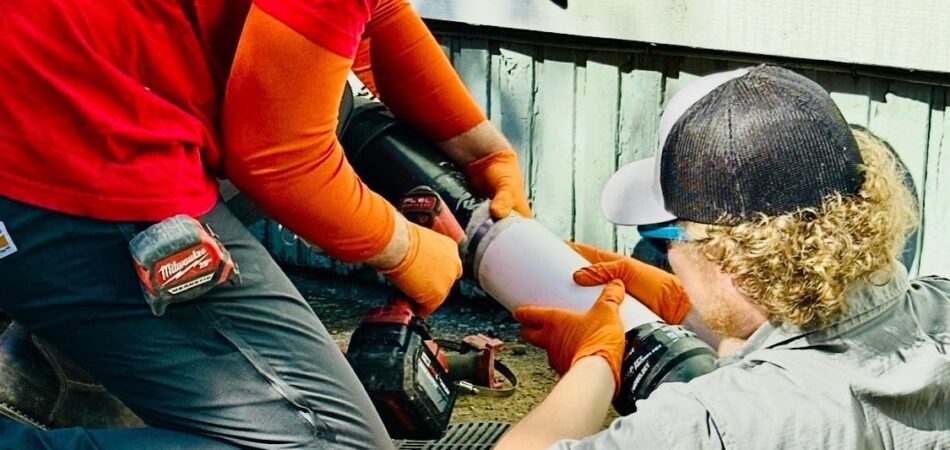
Sewer lining is a modern repair method that restores damaged pipes without the need to dig up the yard or break concrete floors. Instead of replacing entire sewer lines, a liner is inserted into the old pipe to create a smooth, new surface inside. This process keeps homes safe, stops leaks, and extends the life of the sewer system.
The process of sewer lining begins with a full inspection using cameras. Once the damaged section is located, a liner coated with resin is placed inside the old pipe. As the liner cures, it hardens into a new pipe within the old one. This technique fixes cracks, seals leaks, and improves water flow, all without involving extensive digging or property disturbance.
The benefits of sewer lining are reduced cost, quicker installation, and permanent solutions. It eliminates the need for big excavation jobs, preserves landscaping, and stops future issues like tree root intrusion or soil settlement. Like any method, sewer lining has challenges. Improper installation, use of poor materials, or ignoring severe pipe damage can create future issues.
Choosing the right sewer lining method in Washington depends on the pipe’s condition, location, and budget. A trusted company like Spartan Plumbing Inc. provides expert inspections, recommends the right solution, and delivers reliable results. With professional care, sewer lining protects both homes and businesses while avoiding costly future repairs.
Contact us today to schedule an expert inspection and find out if sewer lining is the right solution for your property. Protect your home and save on costly repairs with our professional services!
Sewer lining is a trenchless repair method that creates a new pipe inside an old one. The process is often referred to as a “pipe-within-a-pipe” solution because a flexible liner coated with resin is inserted into the damaged sewer line. Once cured, the liner hardens to form a smooth, durable surface that restores the pipe’s strength and seals any leaks.
This method differs from traditional pipe replacement in that it does not require digging up large areas of a yard, driveway, or street. By working inside the existing pipe, sewer lining significantly reduces disruption, preserves landscaping, and avoids costly excavation. Homeowners and businesses gain a reliable solution that restores pipe function quickly while protecting their property from unnecessary damage.
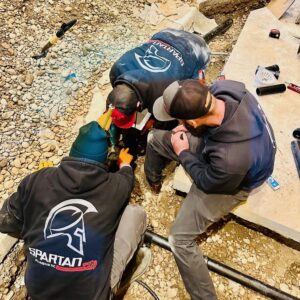 The step-by-step process for sewer lining begins with a thorough diagnosis and concludes with a final inspection to ensure the new liner is both strong and watertight.
Each stage prepares the pipe and secures the liner so the repair lasts. The workflow provides a quick repair with minimal digging and less damage to yards or driveways.
The step-by-step process for sewer lining includes:
Plumbers push a small camera into the pipe to see cracks, root intrusion, and blockages. The camera maps defects and shows where service laterals connect.
This map tells the crew exactly where to work and how much of the pipe needs to be lined.
Plumbers remove roots, grease, scale, and debris so the liner sticks well. Tools such as high-pressure water jetting or mechanical cutters are used to clear the pipe. A clean surface gives excellent adhesion and a longer-lasting repair.
The lining material soaks in a special resin that becomes the new pipe wall. Plumbers use epoxy or polyester resin to saturate the liner fabric. Proper wet-out makes the liner ready to form a solid pipe when it cures.
The resin-saturated liner goes into the old pipe by inversion or pull-in methods. Water or air helps push the liner into place so it fits the full length of the damaged section. The liner sits tight against the host pipe before curing.
Plumbers pressurize the liner so it forms a smooth, snug fit against the old pipe. Air or water pressure holds the liner in place and removes wrinkles.
Pressurization helps the liner conform to the pipe’s shape for a secure bond.
Ultraviolet (UV) light or hot water hardens the resin, turning the liner into a solid pipe. UV curing utilizes light transmitted through the liner, whereas thermal methods circulate hot water. Curing makes the new pipe rigid and leak-proof.
Plumbers cut open service connections to restore flow to the side lines that reach homes. Precise cutting keeps lateral joints clean and functional. A final closed-circuit television (CCTV) inspection confirms correct cuts and shows the full quality of the liner.
The full process gives a secure, trenchless repair that seals leaks and restores flow. Spartan Plumbing follows this workflow with modern tools and trained crews to deliver reliable results in sewer lining.
The benefits that sewer lining provides for your property include reduced digging, faster repairs, controlled costs, and improved water flow inside the pipe.
By sealing cracks and leaks, the process reduces future problems and limits the chance of emergency sewer backups. This means homeowners face fewer disruptions and keep their property in better condition over time.
The benefits that sewer lining provides for your property include:
Sewer lining uses trenchless repair, which means large digging projects are avoided. Yards, driveways, and sidewalks stay untouched, reducing the mess and disruption. This keeps the property’s appearance intact while also avoiding the high cost of restoring hard surfaces. Homeowners appreciate the clean finish that this method delivers.
Since the process does not involve major excavation, sewer lining can be completed in just a few days. Families and businesses experience less downtime, as water service is restored much faster compared to pipe replacement. Quick turnaround reduces stress and prevents long disruptions to daily routines. This makes it a practical choice for busy households.
By reducing excavation and restoration work, sewer lining helps keep labor and material costs lower. Property owners often avoid paying for yard replanting or driveway repairs after the job is completed. These savings make it far more affordable than traditional replacement. Over time, the method offers real value by reducing future repair expenses.
Liners seal off cracks and joints where groundwater and roots sneak into pipes. This prevents inflow and infiltration problems that overwhelm systems and create repeated blockages. Strong seals protect the pipe against extra strain and extend its life. Homeowners benefit from a sewer system that remains efficient and reliable for years.
The smooth interior created by the liner improves how wastewater moves through the pipe. Faster flow lowers the risk of clogs, keeping drains clear and consistent. Enhanced hydraulics also reduce wear and tear on the system. This boost in efficiency ensures stronger long-term performance of the entire sewer line.
With sewer lining, lawns, gardens, and outdoor spaces remain untouched because digging is minimal. Families avoid the hassle of redoing landscaping or repairing damage caused by trenching. This preserves the property’s beauty and value. It also saves time and money that would otherwise be spent on restoration projects.
Together, these benefits keep properties safe, reduce long-term costs, and protect property value. Spartan Plumbing provides sewer lining services in
Washington that deliver these lasting advantages with professional care.
 The most frequent sewer lining failures come from mistakes in preparation, curing, or reinstatement. When these steps are not handled with precision, the result is a weak liner that does not last as expected.
These failures cause leaks, flow restrictions, or service interruptions that undo the benefits of trenchless repair. Knowing what to look for helps homeowners understand why professional inspections and quality work are so important.
The most frequent sewer lining failures are:
Wrinkles occur if the liner folds or shifts in the process of installation. They hinder the free flow of wastewater, leading to clogs and backups in the long run. Wrinkles increase the difficulty for the system to self-clean when in use.
Resin voids occur when the liner is not saturated completely prior to curing. There are small openings within the liner, and these openings produce sites of weakness where water penetrates. Years later, these openings grow, and larger leaks or collapses occur.
Delamination happens when the liner does not stick closely to the original pipe wall. As pressure from water increases, the liner becomes detached, creating voids where leaks or root penetration form. The structural support of the repaired pipe becomes weaker.
Undercuring occurs when the liner fails to harden correctly. Neither a brittle nor a soft finish can withstand daily flow and pressure. This reduces the lifespan of the liner and raises the likelihood of pipe collapse or cracking.
Lateral pipes connect household drains to the main sewer line. When cuts into these pipes are uneven or too small, flow is restricted or blocked. This leads to service interruptions and often demands extra repair work.
Tiny holes left behind in the liner allow water to leak in or out. However small at first, pressure and erosion cause them to grow larger over time. These pinholes cause property damage, infiltration issues, and more repair costs.
The common pitfalls you should avoid during sewer lining relate to mistakes in preparation, sizing, curing, and planning. Failing to follow these steps leads to higher costs, weaker repairs, and longer delays.
Homeowners and contractors benefit when the process follows careful checks, safe methods, and proper approvals. Avoiding these pitfalls ensures that sewer lining delivers reliable and long-lasting results.
The common pitfalls you should avoid during sewer lining are:
 When pipes are not cleaned before the liner is installed, grease, debris, or roots block proper bonding. This leaves weak spots where the liner can peel away, resulting in leaks or premature failure. Thorough cleaning is the foundation of a strong repair.
A liner that is too large or too small creates folds, wrinkles, or thin spots in the pipe wall. These defects reduce water flow, leaving the pipe vulnerable to future damage. Accurate sizing guarantees a snug fit and smooth surface.
Curing needs proper monitoring of time, heat, and pressure. Without detailed cure logs, it is impossible to confirm that the liner hardened correctly. Poor records can lead to undercured pipes that weaken quickly under daily use.
Steam-cured jobs require safe ventilation to protect workers and ensure even curing. Inadequate ventilation traps fumes and prevents the liner from hardening consistently. Following safe practices protects both people and the finished product.
Laterals are small connections that must be reinstated after lining. Overlooking those blocks of household drains leaves homeowners with service interruptions. Careful planning ensures that every lateral is reopened correctly.
Sewer lining projects often require local permits or traffic control approvals. Skipping these steps results in fines, delays, or forced rework. Securing permits ahead of time keeps the project compliant and stress-free.
The routine maintenance that keeps a lined sewer performing longer includes regular inspections, careful cleaning, and smart daily practices. Although sewer lining repairs strengthen and seal leaks, the system still appreciates maintenance to prevent new blockages or wear.
Homeowners who adhere to the following steps ensure that their lined pipes serve longer and function more effectively.
The routine maintenance that keeps a lined sewer functioning longer includes:
A yearly CCTV inspection, or one after a heavy storm, identifies cracks, debris buildup, or liner stress before they turn into major problems. Catching issues early saves homeowners from cost overruns and helps extend the liner’s full service life. This step acts as a reliable safeguard for long-term sewer performance.
Targeted water jetting removes grease, scale, and small clogs within the pipe without abrading the surface of the liner. Unlike high-pressure cleaning methods, it retains the liner while restoring the normal flow. Regular jetting performed at appropriate frequencies promotes efficiency and lessens the occurrence of unexpected blockages.
Leaves, dirt, and trash that collect near outdoor drains often wash into sewer lines and cause clogs. Routine yard cleanup and gutter checks help keep this debris away from the system. By managing surface runoff, homeowners protect their lined pipes from unnecessary strain and blockage.
Grease, wipes, and other non-flushables cause new issues even in newly lined pipes. Proper household practices, such as disposing of cooking oils in closed containers and placing wipes in the trash, help keep sewers unobstructed. Waste avoidance through practice prevents backups and reduces stress on the entire system.
Sump pumps, backwater valves, and related plumbing devices play a big role in protecting lined sewers during heavy rainfall. Regularly testing and servicing these devices ensures they perform when needed most. This upkeep adds an extra layer of protection against flooding and sewer backups.
Keeping organized records of inspections, cleanings, and minor repairs helps maintain warranties and simplifies the process of reselling a property.
Documentation also provides plumbers with valuable historical context for faster troubleshooting in the future. A strong paper trail makes long-term sewer care more reliable and cost-effective.
The method you choose for sewer lining in Washington depends on several key factors. The pipe material and size, the type of defect, access points, and groundwater conditions all influence the decision.
Budget, district permits, and neighborhood impact also play significant roles. The best choice is the one that restores sewer function with minimal digging, controlled costs, and less disruption for homes and communities.
Want a full side-by-side comparison of lining methods? See our guide to the 6 best sewer liners.
Spartan Plumbing Inc. is the trusted local expert in Washington for evaluating site conditions and selecting the right method. The team clearly explains trade-offs, secures permits, and performs code-compliant installations with documented inspections and warranties. This ensures families and businesses receive safe, lasting solutions.
Call us today to schedule your consultation and learn how we can provide safe, reliable solutions tailored to your needs.
You know your pipe is a good candidate for sewer lining when it is cracked, leaking, or has root intrusion but still holds its general shape. Pipes with complete collapse are not suitable. A professional inspection with CCTV confirms the pipe’s condition before recommending lining as the repair method.
Pipe repair is better than full lining when only a small section of pipe is damaged. Spot repairs handle isolated cracks or leaks without the cost of relining the entire system. This approach makes sense for minor defects that do not affect the full line.
Pipe bursting is a better choice than sewer lining when the pipe has collapsed or lost structural integrity. Bursting replaces the old pipe entirely by breaking it apart and pulling a new one through. This ensures a brand-new system where lining would not hold.
Sewer lining works best on pipes made from clay, cast iron, PVC, and concrete. These materials provide a stable surface for bonding with the liner. Metal pipes with heavy corrosion or pipes with too much damage may need replacement instead of lining.
Most sewer lining methods work on pipe diameters between 3 inches and 36 inches. This range covers both household and commercial systems. Professionals match the liner size to the existing pipe so the repair remains strong and effective.
A sewer inspection includes a CCTV camera check of the entire line. The plumber looks for cracks, roots, corrosion, and blockages. Inspection also maps the layout and size of the pipe, helping decide if lining is the best option.
No, sewer lining does not reduce drain flow. The liner creates a smooth interior that improves hydraulic efficiency and makes wastewater move faster. In many cases, flow actually improves after lining because rough surfaces and obstructions are removed.
Homeowners prepare by clearing access points, such as cleanouts or basement areas, so plumbers can reach the pipe easily. It also helps to move outdoor items away from work zones. Good preparation speeds up the process and reduces disruption to daily life.
Sewer lining at a home usually takes one to two days, depending on the length and condition of the pipe. Smaller residential jobs may finish in a single day. Larger or more complex systems take longer to cure and inspect properly.
Drains are normally offline for six to eight hours during the lining process. This allows time for cleaning, liner insertion, curing, and final inspection. Families should plan accordingly to minimize inconvenience during this downtime.
A properly installed sewer liner lasts between 30 and 50 years. Strong bonding and durable resin materials give it a long service life. With routine maintenance, lined pipes provide reliability similar to a brand-new system.
Professional leak detection finds cracks, pinholes, and weak spots before lining begins. It ensures the full scope of damage is understood so the liner seals everything correctly. Leak detection prevents missed issues and supports a complete, lasting repair.
Yes, Spartan Plumbing Inc. offers financing options for sewer lining work. Flexible payment plans help homeowners manage the cost of trenchless repairs. This makes it easier for families to invest in long-term plumbing solutions without delay.
 Book Now!