Emergency Plumbing in Tacoma & Pierce County 24/7 Human Support Free Second Opinion Quality Plumbing Services
Emergency Plumbing in Tacoma & Pierce County 24/7 Human Support Free Second Opinion Quality Plumbing Services
Emergency Plumbing in Tacoma & Pierce County 24/7 Human Support Free Second Opinion Quality Plumbing Services
Emergency Plumbing in Tacoma & Pierce County 24/7 Human Support Free Second Opinion Quality Plumbing Services

Text Us: 253-231-7015
Call Us: 253-231-7015

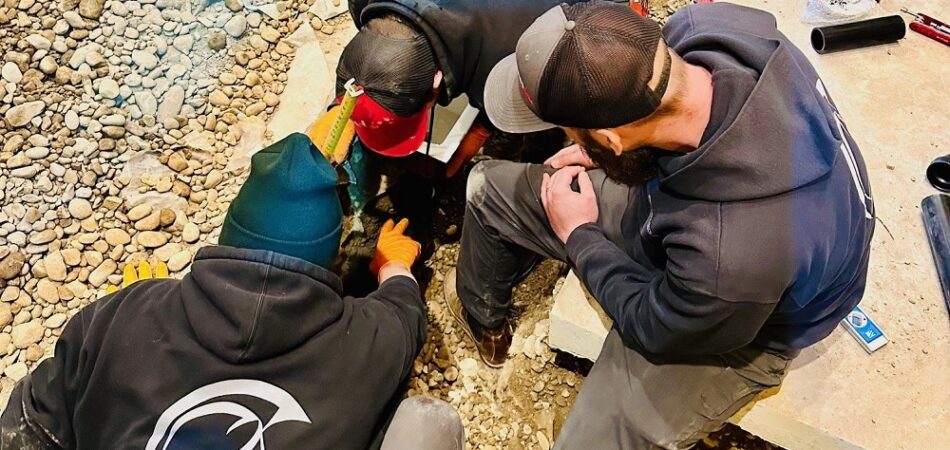
Public sewer systems are centralized, municipal-run networks, whereas private sewer systems (often septic systems) treat wastewater on-site, making the homeowner fully responsible for maintenance. Public sewers offer convenience, higher property value, and less maintenance, while private systems avoid monthly fees but require regular, costly pumping and repairs.
A private sewer system is a plumbing setup that takes wastewater from a single building or a small group of buildings and moves it to a disposal area, usually located on the same property. Property owners manage and own this equipment; the local government does not handle maintenance or repairs.
This system safely handles all the dirty water that goes down the drains from toilets, showers, and sinks, which is essential for keeping the environment and the property clean. Without it, untreated sewage causes pollution and serious health issues.
You will find a few main kinds of private sewer systems, including the common conventional septic systems, which use a tank and a drain field. More complex mound systems and aerobic treatment units (ATUs) are available for properties with challenging soil conditions. These types all work to treat and dispose of wastewater safely right where it’s produced.
Private sewer systems are important because they make living in areas without city sewer lines possible. The property owner controls the maintenance, and that provides them with direct management over the property. The city is responsible for public sewer systems, but the homeowner handles everything for a private one.
Spartan Plumbing Inc. offers top-tier service for all your private sewer needs throughout Tacoma, WA, and Pierce County. Our team provides accurate diagnostic camera inspections to find any issues fast and performs expert repairs, so your system keeps working the way it should.
A private sewer system is a necessary tool that manages all the used water from a home or business right on the property where it gets dirty. This system takes the wastewater and cleans it before releasing it back into the ground. It is an on-site setup that operates independently, completely separate from the city’s main pipes and treatment plants.
The system’s main purpose is the safe and efficient processing of sewage; the owner handles all upkeep. This setup is a vital piece of infrastructure for anyone living outside areas served by public sewer lines.
A private sewer system works in three main steps:
 The process starts right when water goes down the drain. The building sewer line, which is a pipe, collects all the wastewater as it leaves the house. All dirty water from toilets, sinks, and showers gathers here.
This dirty water then travels through the pipe to the septic tank. The septic tank is a big, buried container that holds the sewage.
In the tank, the solids settle to the bottom, forming sludge, and lighter things like grease float to the top, forming scum. This separation is the start of the treatment. The remaining liquid wastewater, known as effluent, then flows out of the tank and into the drainfield (or leach field).
The drainfield consists of trenches or beds where the effluent slowly trickles through layers of gravel and the soil. The soil and the natural bacteria living within it complete the cleaning job by removing germs and impurities before the water reenters the groundwater.
The types of private sewer systems are designed to handle wastewater in places where the land or soil makes a regular system hard to use, or where environmental protection requires better water cleaning. Each system uses a septic tank for initial settling, but they use different ways to treat the liquid waste before returning it to the earth.
The types of private sewer systems are listed below:
A conventional septic system is the most common kind and works well in deep, well-draining soil. This type uses simple gravity to move wastewater through the setup. Waste flows out of the septic tank, through a distribution box, and then into the drain field’s gravel trenches. The soil finishes cleaning the water by removing germs and impurities before the water rejoins the groundwater.
Chamber systems are a great option for sites where gravel is hard to get or where the water table is high. This type uses open-bottom plastic units instead of gravel trenches. Wastewater leaves the septic tank and flows into the chambers, letting the liquid touch the soil along the bottom and sides. This wide contact area enables the soil and its bacteria to treat the waste. This makes the installation process easier and faster than a gravel system.
Mound systems are necessary when the soil does not drain well or when the groundwater is too close to the surface. This type features a raised bed built above the natural ground. The system uses a pump to push the liquid waste from the septic tank up into the mound’s layers of sand and gravel. This sand acts as a filter, cleaning the water before it finally moves into the original, natural soil below.
In parts of Pierce County, WA, particularly in lower-lying areas near the Puyallup River valley and Chambers Creek, high water tables make conventional drain fields impractical, and mound systems are sometimes the required solution for properties in those areas.
An Aerobic Treatment Unit (ATU) provides a higher level of cleaning than the other systems and is often used in small yards or near sensitive bodies of water. This type uses air to speed up the treatment process. A pump pushes air into the wastewater inside an aeration chamber. This added oxygen helps a faster kind of bacteria grow, which cleans the water much better before it is safely disposed of.
The private sewer systems differ from public sewer systems in many key ways that affect a homeowner’s budget, responsibilities, and location. Public sewers, run by the city, serve huge areas and send all waste to a central cleaning plant. Private systems, such as septic tanks, treat and dispose of wastewater on-site.
These are the key differences between public and private sewer systems:
| Feature | Private Sewer System (Septic) | Public Sewer System (Municipal) |
|---|---|---|
| Ownership & Responsibility | The property owner owns the entire system. | City or municipality owns the main lines and treatment plant. |
| Coverage Area | Serves one to a few houses (on-site). | Serves dense communities (centralized). |
| Upfront Cost | High one-time installation cost (Avg. $8,000 for conventional). | Initial connection fee (Avg. $3,000–$8,000) or built into taxes. |
| Ongoing Cost | Low monthly fees, but high periodic maintenance. | Monthly utility bill (Avg. $30–$80 per month). |
| Routine Maintenance | Homeowners must pump the tank every 3–5 years (average $300–$600). | The city handles maintenance. |
| Major Repair Cost | High cost for homeowner (Drain field replacement $5,000–$20,000). | City covers the major system failures. |
| Environmental Impact | Replenishes local groundwater. Poorly maintained systems risk local contamination. | Centralized treatment plants handle final cleaning. System failures can cause large, far-reaching pollution. |
| Lifespan | 20–40 years for the drain field (with proper care). | 50–100+ years for main infrastructure. |
Maintain a private sewer system with simple habits and scheduled professional service. The equipment lasts a long time and works well when you take good care of it. Proper upkeep saves the property owner big money because major repairs, for example, replacing a drainfield, cost many thousands of dollars.
These are the tips to maintain a private sewer system:
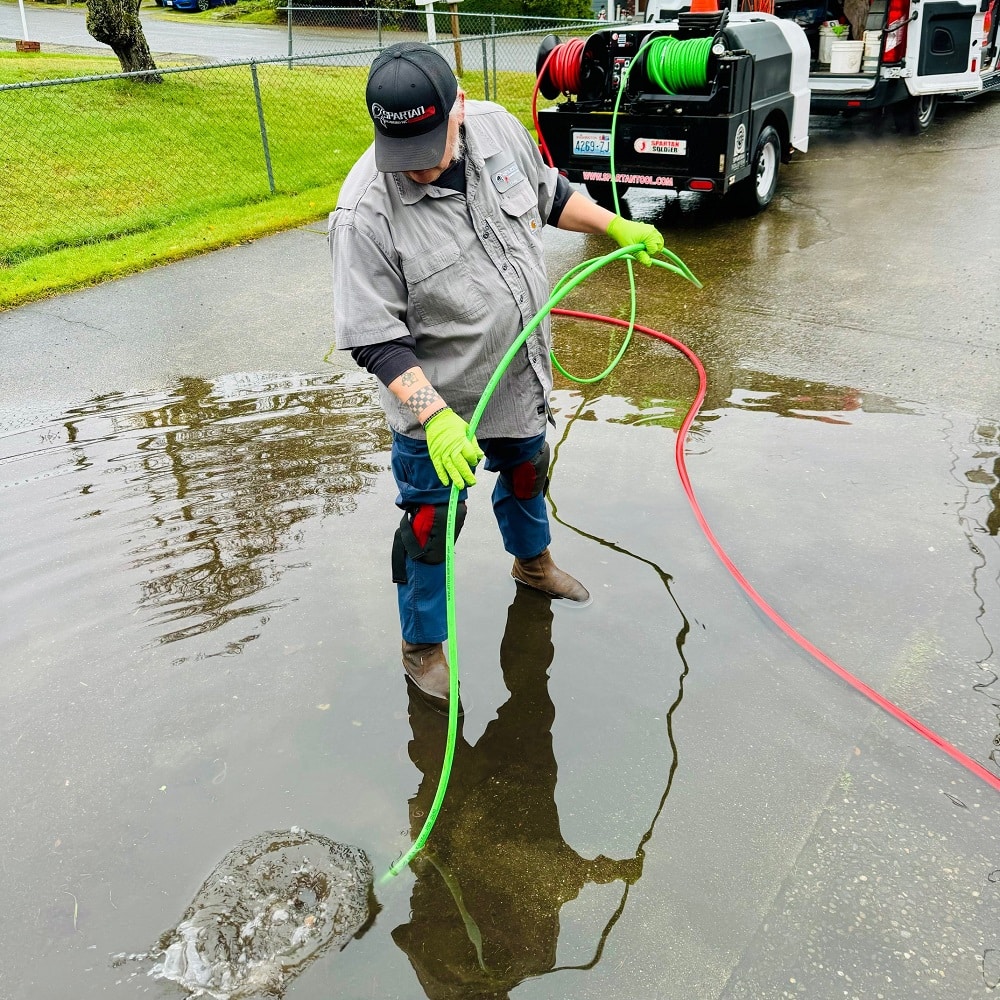 You get a professional to empty the septic tank on a set schedule. Experts recommend tank pumping every three to five years for a typical four-person home. They take out the sludge that settles at the bottom of the tank.
A technician inspects all the parts during this visit, checking the pipes, tank, and drain field for any signs of trouble. This prevents small issues from growing into huge, expensive problems, ensuring that the system operates correctly.
Control what goes into the system and how much water you use. Fix leaky faucets right away because extra water floods the drain field, which makes it fail faster. Never flush items that do not break down, such as wipes, paper towels, or cigarette butts.
Do not pour grease, oils, or chemicals down the drain. These actions help the good bacteria in the tank stay healthy so they clean the waste effectively.
Keep heavy objects away from the tank and drain field area. Do not drive cars, trucks, or heavy equipment over any part of the system. The weight crushes the pipes or the tank, which causes instant failure. Keep tree roots away from the drain field, too; the roots grow toward the water and damage the underground pipes. Only plant grass over the drain field.
This is especially important in Western Washington, where fast-growing native trees like red alders and big-leaf maples are highly aggressive at seeking out moisture. If you live in Tacoma or a surrounding Pierce County community and have mature trees near your septic area, a professional inspection can determine whether root intrusion is already underway.
The advantages of private sewer systems are particularly clear for homes in rural or low-density areas. They offer a robust, independent solution for wastewater management when city services are unavailable.
These are the advantages of private sewer systems:
The system incurs a high upfront cost to install, but it results in fewer ongoing expenses. You do not pay a monthly sewer bill to the city, which saves you money every month. The only regular expense is septic tank pumping, which occurs only every few years at a relatively small cost.
When a problem happens, you know exactly where it is. The system is entirely on your property, so quickly call your technician. You do not wait for the city to handle a main line break affecting many houses before they address your issue. They fix it fast, saving time.
These systems are actually quite good for the environment. They return treated water right back to the local ground, recharging the area’s groundwater supply. This local treatment uses very little energy compared to huge city treatment plants that move waste many miles.
The property owner makes all the decisions about system care and upgrades. You manage the schedule for pumping and maintenance. A public system leaves you powerless when city-wide issues happen; this one gives you total control over the sewage handling.
The disadvantages of private sewer systems are tied to the owner’s total responsibility for the equipment. Unlike public sewers, a private septic system requires constant homeowner attention and care to prevent nasty and expensive failures.
These are the disadvantages of private sewer:
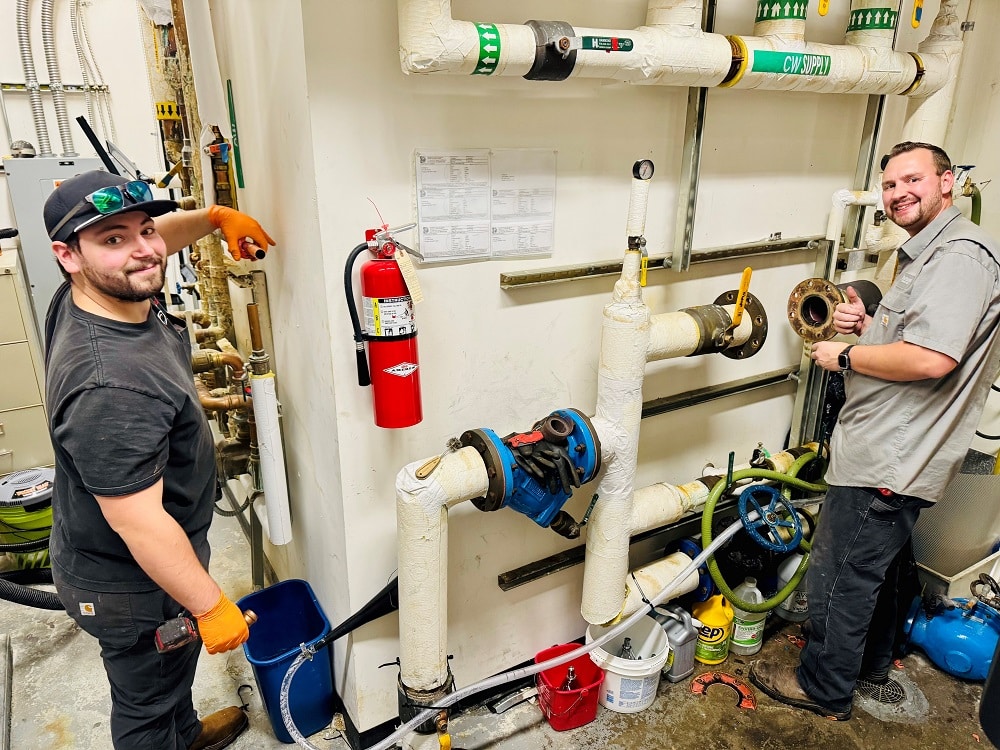 The homeowner takes full responsibility for everything. The system does not fix itself. You arrange for regular pumping and inspection every few years. Neglecting this maintenance causes blockages and failure, resulting in a costly, messy situation you handle alone.
Change some daily household habits. The system handles human waste and toilet paper only. You cannot use a garbage disposal much. You never flush things like wipes, coffee grounds, grease, or harsh chemicals. They kill the important bacteria or clog the pipes.
Even with good care, the system wears out. The drain field, a key part, lasts about 20 to 40 years before soil clogging makes it stop working. When this happens, sewage backs up into the house or pools in the yard. This creates a big health hazard.
A major system failure can be extremely costly because the owner is responsible for 100% of the bill. Replacing a drain field, for example, costs an average of $5,000 to $20,000. The system replacement, if that ever becomes necessary, involves a similar large payment.
Know your private sewer system needs repair or maintenance with a simple check for common warning signs around the house and yard. Early detection saves you from dealing with sewage backups, which make a big mess.
Act quickly when you notice these clear symptoms:
You notice slow drains in multiple sinks or the bathtub. The toilets have gurgling sounds after flushing. This indicates a blockage or a full septic tank prevents water from exiting the house easily. Sewage backups, the worst sign, appear when waste pushes back up through drains or toilets.
Unpleasant odors, such as those smelling like rotten eggs, often emanate from the septic tank or drain field; this indicates that waste is escaping where it does not belong. You may also notice water pooling on the lawn above the drain field, indicating that the component is failing to absorb the liquid. When these things happen, you call the professionals.
Spartan Plumbing Inc. offers reliable, specialized expertise for exactly these kinds of emergencies throughout Tacoma, WA, and the surrounding Pierce County area. We take pride in our commitment to professionalism and reliability, providing high-quality plumbing and sewer services for the local community so your system keeps flowing the way it should.
Whether you’re on a private septic system or a public sewer connection, Spartan Plumbing Inc. has the expertise to inspect, repair, and maintain your system fast. We’ve been serving Tacoma, WA, and surrounding communities since 1958.
📞 Call or text us: 253-231-7015
Know your private sewer system is failing by checking for key warning signs. These include sewage backups into your home’s drains and multiple slow drains. Outside, unpleasant odors or a patch of lush, green grass above the drain field mean that something broke, you know. Ignoring this leads to expensive fixes later, for sure.
Slow drains in a private sewer system are caused by a few key reasons. A blockage inside the pipe, such as from tree root intrusion or solid waste buildup, prevents the flow. In case a person forgets to pump a septic tank, and it gets too full, pushing the liquid back into the house’s plumbing, it’s a bad situation.
Warning signs of sewer line damage show up inside and outside your house. Indoors, listen for constant gurgling sounds from the plumbing, and notice multiple slow drains. Outdoors, find soggy, wet patches of ground where the pipe runs. Sewage backups or a very foul, unpleasant odor also tell a big story; these are the signs of pipe repair.
A private sewer system should be inspected at least every three years to ensure it is functioning properly. They pump the septic tank every three to five years; the exact time depends on the household’s size and the amount of water people use. Inspections prevent small problems from becoming big, costly ones, which saves you a whole lot of trouble.
The smells that indicate sewer problems at home involve a rotten egg or sewage odor, which means gases like hydrogen sulfide escape from the system. Indoors, the smell comes from drains with dried-out water traps or a broken plumbing vent. Outdoors, the smell typically appears near the septic tank or from a failing drain field; ignoring it does not help.
The risks of ignoring sewer system issues are catastrophic sewage backup in your living space. This causes expensive property damage and a massive, unsanitary mess that requires specialized cleanup. Untreated wastewater leaks from the sewer line system and pollutes nearby groundwater, which harms the environment. Additionally, a long-term issue can lead to the complete failure of the septic tank, making things very difficult.
The health hazards of a broken sewer system are significant because raw sewage harbors many harmful agents. It contains bacteria, viruses, and parasites, which cause illnesses like gastroenteritis or other severe infections if a person touches or ingests them. Furthermore, untreated sewage contaminates nearby drinking water wells, making the water completely unsafe for everyone.
Professionals use special tools to inspect sewer lines, primarily the small, waterproof sewer inspection camera. They also use high-pressure water from hydro jetting equipment to blast away blockages before inspecting. These individuals locate hidden pipes using sonic or tracer wire equipment, enabling them to know where to dig when something goes wrong.
Video inspections detect sewer issues by using a tiny camera on a flexible rod. A professional sends the camera through the pipe, and it transmits a live video feed to a monitor. This process gives a precise location of blockages, cracks, root intrusion, or pipe corrosion, so the worker knows exactly where to make the repair.
Maintain a septic tank to avoid repairs with regular professional inspections. Only flush human waste and toilet paper; never put grease, wipes, or harsh chemicals down the drain. Conserve water use, like by spreading laundry loads over the week, so you do not overwhelm the system with too much liquid, which protects the drain field.
 Book Now!