Emergency Plumbing in Tacoma & Pierce County 24/7 Live Answer Free Second Opinion Quality Plumbing Services
Emergency Plumbing in Tacoma & Pierce County 24/7 Live Answer Free Second Opinion Quality Plumbing Services
Emergency Plumbing in Tacoma & Pierce County 24/7 Live Answer Free Second Opinion Quality Plumbing Services
Emergency Plumbing in Tacoma & Pierce County 24/7 Live Answer Free Second Opinion Quality Plumbing Services

Text Us: 253-231-7015
Call Us: 253-231-7015
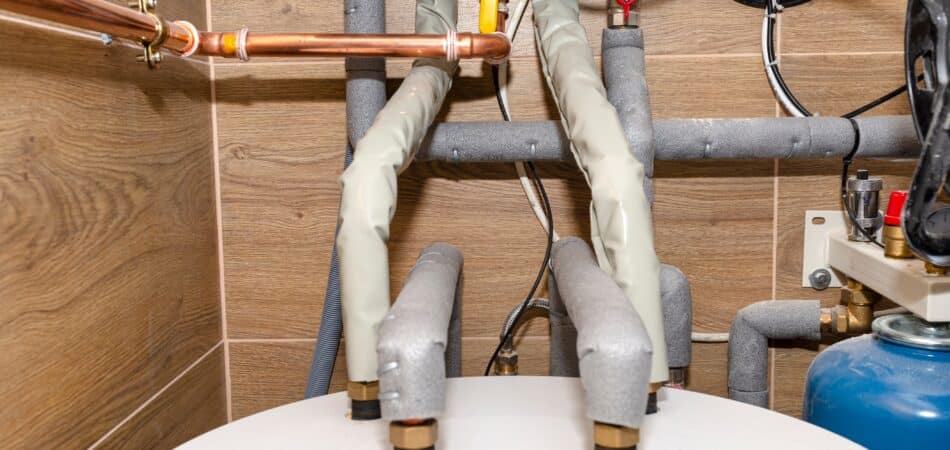
You know your water heater anode rod needs replacing when you notice rusty or discolored hot water, a rotten-egg smell, or it is more than half consumed during inspection. The anode rod is the sacrificial metal part that corrodes, so your tank does not. Most Tacoma homes should have it checked every three to five years, and replacing it on time can push a water heater past twenty years of service.
The anode rod is the quietest, hardest-working part inside your water heater, and most Tacoma homeowners never think about it until the tank starts to fail. It is a long metal rod that sits inside the tank and corrodes on purpose, drawing rust toward itself and away from the steel walls. When it is used up, the tank itself becomes the next thing to rust.
Tacoma sits on moderately soft water from the Green River, our local supply, and soft water can actually speed up how fast an anode rod wears down. That means the “every five years” rule of thumb you read online may run short here, especially in older neighborhoods where tanks already work harder. Knowing the warning signs is the difference between a cheap part swap and a flooded utility closet.
At Spartan Plumbing Inc. (LIC #SPARTSI794OC), we have helped Pierce County families protect their water heaters since 1958, from Old Town bungalows to newer builds across South Tacoma. Many of the rusty-water and rotten-egg calls we get trace straight back to a spent anode rod, and a quick check during routine water heater service for Tacoma homes usually tells the whole story.
Contact us today to have your anode rod checked before a spent rod shortens the tank’s life.
Most anode rods are built to last three to five years, but the material and your water chemistry move that number in both directions. Magnesium rods, the most common factory option, typically run three to five years, while aluminum and aluminum-zinc rods generally last longer, often five to seven years, and the zinc helps suppress sulfur odor. The rod is consumed gradually, so the question is rarely “is it gone?” but “how much is left?”
Because Tacoma water is soft, anode rods here often hit the lower end of that range. The same softness that keeps scale down can increase the water’s conductivity and pull metal off the rod faster.
Magnesium is the default rod in most tanks sold across Pierce County, and it does its job aggressively. In typical conditions, it protects the tank for three to five years, but in soft water, it can wear down sooner and is the most common culprit behind rotten-egg odor. If your tank is on its original magnesium rod and is more than four years old, it is worth a look.
Aluminum and aluminum-zinc rods generally last longer than magnesium and often run five to seven years. The zinc content also helps suppress the sulfur smell that magnesium can create. For many Tacoma homes dealing with rod odor, an aluminum-zinc rod is a sensible upgrade at replacement time.
A powered anode rod is a different animal. Instead of being sacrificed, it uses a small electrical current to protect the tank and is designed to last the life of the water heater with almost no replacement needed. It costs more upfront, but it can be the right call for homeowners planning to keep a tank for fifteen years or longer.
The practical rule plumbers use is the 50 percent line. Once a rod is more than half consumed, or the steel core wire running down its center is exposed and brittle, it has stopped protecting the tank and needs to come out. Past that point, the tank wall is doing the corroding.
The clearest clues that a rod is finished show up in the water itself. You do not need to pull the tank apart to notice them, and catching them early is what keeps a small repair from turning into a full water heater replacement. Pay attention to any time the hot water looks, smells, or sounds different from the cold.
These are the symptoms we hear about most often on service calls across Hilltop and South Tacoma.
 When the anode rod is used up, rust starts forming inside the tank, and it shows first in the hot water. If your hot tap runs tinted, brown, or cloudy while the cold tap stays clear, the rod has likely failed, and the steel is corroding. This is one of the most direct signals that the protective part is gone.
A strong rotten-egg odor in your hot water comes from hydrogen sulfide gas, created when a corroding magnesium rod reacts with sulfates and bacteria in the water. Soft water and water heaters set to lower temperatures make this worse. Swapping to an aluminum-zinc or powered rod usually clears the smell for good.
Sediment and corrosion byproducts settle at the bottom of the tank as the rod gives out, and water trapped under that layer makes popping or rumbling noises when it heats. The sounds mean the tank is working harder and running less efficiently. It is a strong hint that maintenance is overdue.
When a licensed plumber inspects the rod directly, a failed one is obvious: deep pitting, large bare patches, or a thin exposed core wire instead of a solid coated rod. Seeing it firsthand removes any guesswork about timing. A quick pull and look is the most reliable check there is.
Not every symptom of a worn rod is dramatic. Sometimes the water heater simply stops doing its job as well as it used to, and the slow decline traces back to corrosion and sediment that a healthy rod would have slowed down. These quieter signs are easy to write off, which is exactly why they catch Tacoma homeowners off guard.
Watch for these slower-burn signs:
When two or three of these show up together, the anode rod is usually well past its service life, and the tank is starting to pay the price.
Our local conditions put extra strain on anode rods compared with many parts of the country. Tacoma and Pierce County run moderately soft water, and a large share of our housing stock is older, with U.S. Census data putting the median Tacoma home around 1967 and roughly a quarter built before 1940. Soft water plus aging tanks and supply lines means rods here often work harder and wear faster.
The table below breaks down the main local factors and what each one means for your rod.
A scheduled plumbing inspection is the easiest way to stay ahead of these factors, since a technician can read the rod, the tank, and the supply lines in one visit. That is far cheaper than reacting to a leak after the tank wall has already rusted through.
Replacing an anode rod is one of the more affordable ways to extend a water heater’s life, and the price depends mostly on the rod type, the condition of the tank, and whether the rod is seized in place. A do-it-yourself swap with a standard rod costs the least since it is just the part, while professional service reflects the labor to free a stuck rod and check the tank. A powered anode rod carries a higher upfront cost than a sacrificial rod because the unit itself is more involved.
The catch is that the job is harder than it looks. A rod that has not moved in years can be seized in place, and an old tank can be damaged by forcing it. That is why many Tacoma homeowners fold the swap into broader residential plumbing service rather than fighting a stuck rod with a borrowed wrench.
For homes that keep a water heater for a long time, the math favors paying attention early. A rod swap is a fraction of the cost of a new tank. On every visit, we provide a flat-rate written estimate before any work begins, so there are no surprises. If a second opinion would help you decide, ours is free.
A failing anode rod is one of the few water heater problems you can catch and fix cheaply, but only if you act before the tank itself starts to rust. Rusty hot water, a sulfur smell, popping sounds, or a heater that just is not keeping up are all worth a professional look, especially on a tank older than four years. Our team handles water heater service in Tacoma across Pierce County, and once the rod is gone, every extra month is borrowed time against a leak.
At Spartan Plumbing Inc. (LIC #SPARTSI794OC), our licensed, background-checked team has protected Pierce County water heaters since 1958, and we back every job with a written warranty and our 100% satisfaction guarantee. Call us today to have your anode rod inspected and get a straight answer on whether it needs replacing, and we will take it from there.
Plan to have the anode rod inspected every three to five years, and replace it once it is more than 50 percent consumed or the steel core wire is exposed. Because Tacoma runs moderately soft water, many rods here wear faster and are worth checking closer to year three. A quick professional inspection settles it without guesswork.
The clearest signs are rusty or discolored hot water, a rotten-egg or sulfur smell from the hot tap, and popping or rumbling sounds from the tank. You may also notice a shorter hot water supply, higher energy bills, and slower reheating. When several appear together, the rod is usually spent, and the tank is starting to corrode.
That sulfur odor is hydrogen sulfide gas, produced when a corroding magnesium anode rod reacts with sulfates and bacteria in the water. Soft water makes the reaction worse. Replacing the magnesium rod with an aluminum-zinc or powered rod usually eliminates the odor.
You can if the rod is not seized and you have the right socket and clearance above the tank, since a do-it-yourself swap is mostly just the cost of the part. The problem is that older rods often rust in place and can damage the tank if forced. Many homeowners have it done during routine service to avoid that risk.
The cost depends on the rod type, how stuck the old rod is, and the overall condition of the tank, with a seized rod taking more labor to free. A do-it-yourself swap is mostly the cost of the part, while a powered anode rod carries a higher upfront cost than a standard sacrificial rod. We provide a written, on-site estimate before any work begins rather than a one-size-fits-all figure.
For Tacoma homes prone to rod odor, aluminum-zinc rods generally last longer than standard magnesium, and the zinc helps prevent the sulfur smell. A powered anode rod is another strong option for long-term tanks since it resists corrosion without being consumed. The right choice depends on your tank and water.
Once the rod is fully consumed, rust attacks the steel tank wall directly, leading to corrosion, pinhole leaks, and eventually a tank that fails and floods. Replacing the rod on schedule can help a water heater last well past twenty years. Skipping it usually shortens the tank’s life significantly.
Flushing removes sediment that collects as the rod and tank corrode, which keeps the heater efficient and makes rod inspection cleaner and easier. It does not replace the rod, but pairing a flush with a rod check is the most effective maintenance combo. Many Old Town and Hilltop homeowners schedule both at once.
 Book Now!