Emergency Plumbing in Tacoma & Pierce County 24/7 Live Answer Free Second Opinion Quality Plumbing Services
Emergency Plumbing in Tacoma & Pierce County 24/7 Live Answer Free Second Opinion Quality Plumbing Services
Emergency Plumbing in Tacoma & Pierce County 24/7 Live Answer Free Second Opinion Quality Plumbing Services
Emergency Plumbing in Tacoma & Pierce County 24/7 Live Answer Free Second Opinion Quality Plumbing Services

Text Us: 253-231-7015
Call Us: 253-231-7015

Quick Summary
A full plumbing inspection in Tacoma covers eight core areas: visual assessment of all fixtures and exposed pipes, water pressure and flow testing, hidden leak detection using infrared cameras and acoustic sensors, drain and waste line inspection with a camera scope, toilet function and seal checks, water heater evaluation, shut-off valve and safety device testing, and a sewer line review. In Pierce County, homes built before 1980 with original galvanized or cast iron pipes require particular attention due to corrosion risk, and heavy annual rainfall puts added stress on drain and sewer systems. A Spartan Plumbing inspection concludes with a written report, photos, and clear recommendations with upfront pricing.
A full plumbing inspection is one of the most important preventative maintenance steps you can take for your residential or commercial plumbing system in Tacoma. While plumbing components are built to last, hidden issues like leaks, corrosion, or clogs can gradually cause costly damage behind walls, under floors, or within the foundation.
Whether you are buying a home in North End or Hilltop, managing a commercial property in downtown Tacoma, planning a renovation in Federal Way or Lakewood, or simply want peace of mind heading into Pierce County’s October through March rainy season, a full plumbing inspection by Spartan Plumbing Inc. helps you avoid expensive surprises. Our licensed technicians have served this region since 1958 and understand the specific pipe materials, soil conditions, and drainage challenges that affect homes throughout Pierce County.
Here is exactly what you can expect when you schedule a full plumbing inspection with our team.
Plumbing problems often go unnoticed until they become emergencies. In Tacoma and the surrounding Pierce County communities, two factors make regular inspections especially valuable: the high percentage of homes built before 1980 with aging galvanized steel or cast iron pipes, and annual rainfall averaging 38 inches that puts sustained pressure on drain and sewer systems from fall through spring.
A full inspection catches developing issues while they are still inexpensive to fix. Here is what it helps you stay ahead of:

Early detection is the main financial argument for regular inspections. A $250 to $400 inspection that catches a slow slab leak saves $4,000 to $15,000 in foundation and flooring repair. Most Tacoma homeowners who schedule annual inspections with Spartan Plumbing recoup the cost many times over in prevented damage.
A comprehensive Spartan Plumbing inspection covers your entire plumbing system from the water meter to the sewer lateral. Our licensed plumbers follow a detailed checklist to ensure no fixture, pipe, or appliance is overlooked.
The inspection begins with a full walkthrough of the property. The plumber visually examines all sinks, toilets, bathtubs, showers, faucets, and any exposed piping in cabinets, crawl spaces, and utility areas.
In Tacoma homes built before 1980, this stage often reveals galvanized steel pipes showing the early signs of interior corrosion: orange-tinted water, reduced flow at specific fixtures, or white mineral crust around threaded fittings. The plumber notes the pipe material at each location so the report reflects what you actually have rather than a generic checklist.
Signs flagged during the walkthrough include:
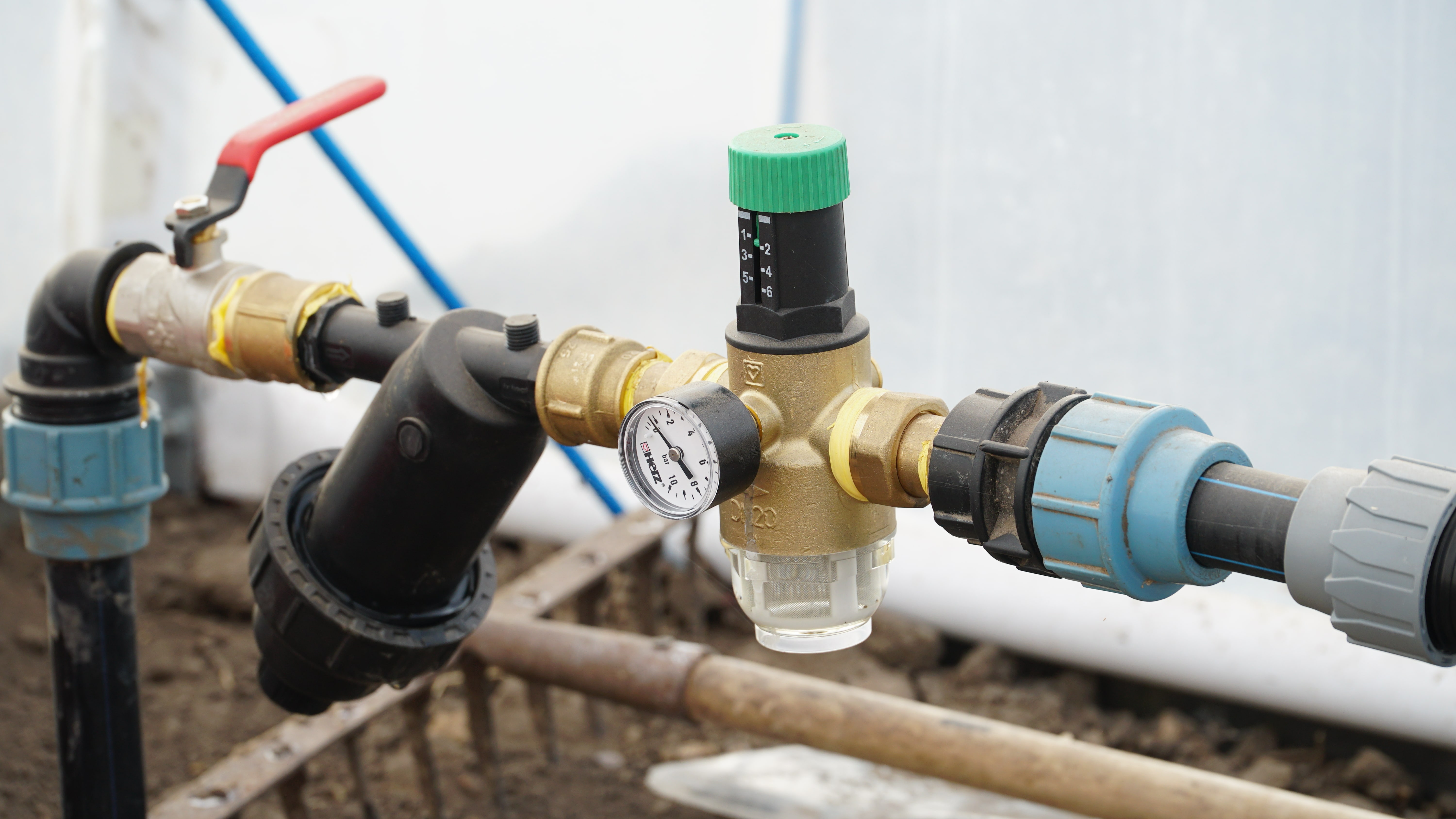
Low or inconsistent water pressure is one of the most common complaints Spartan Plumbing hears from Tacoma homeowners, and it rarely has a single obvious cause. The plumber tests pressure at multiple fixtures using a gauge to confirm the reading falls within the standard range of 40 to 80 PSI.
Readings outside this range point to specific problems. Pressure consistently above 80 PSI indicates the pressure reducing valve (PRV) has failed and needs replacement, a situation that accelerates wear on all fixtures and appliances in the home. Pressure below 40 PSI at a specific fixture usually points to a localized clog or corrosion buildup inside that branch of pipe. Pressure low throughout the home suggests a failing PRV set too low, a partially closed main valve, or a deteriorating main supply line.
The plumber also tests flow rate at faucets and showerheads to identify aerators or valve cartridges that are clogged with mineral deposits, which are common in parts of Pierce County where groundwater has elevated iron or calcium content.
Many of the costliest plumbing failures in Tacoma homes involve leaks that were invisible until they had already caused significant damage. Water from a slow supply line leak behind a bathroom wall can saturate the wall cavity, soak into the subfloor, and begin growing mold within 48 hours without a single visible sign at the surface.
Spartan Plumbing uses three detection methods during every inspection:
Slab leaks are a particular concern in some Pierce County neighborhoods where homes were built on clay-heavy soil that expands and contracts seasonally, putting stress on copper supply lines embedded in the foundation. Early detection through pressure testing allows for a targeted repair rather than full slab demolition.
Slow drains are one of the most common service calls Spartan Plumbing receives from Tacoma homeowners, and they are almost always a symptom of something deeper than a surface blockage. Our drain cleaning team in Tacoma handles everything from kitchen grease clogs to tree root infiltration in main sewer laterals, and the inspection stage determines which type of issue you are dealing with.
During the drain inspection, the plumber runs water through each fixture drain and observes the flow rate. Any drain that takes more than 30 seconds to clear standing water is flagged for further investigation. A flexible camera scope is then passed down the drain line to inspect the interior of the pipe.
The camera identifies:
If blockages are confirmed during the camera inspection, the plumber can clear them on the same visit using mechanical snaking or schedule a hydro-jetting service for more severe buildup. If pipe damage is confirmed, the inspection report will reference the relevant options for repair.
Toilets are responsible for a significant percentage of household water waste in Tacoma homes. A toilet with a slow internal leak from a worn flapper can waste between 20 and 200 gallons of water per day without producing any visible signs at the exterior of the unit. The plumber tests every toilet in the home during the inspection.
The inspection checks:
The water heater is one of the most important and most frequently neglected appliances in any Tacoma home. Standard tank water heaters last 8 to 12 years, but units in Pierce County homes are sometimes kept in service well beyond that point. A failing water heater does not always announce itself dramatically. In many cases, it simply becomes progressively less efficient, more expensive to operate, and increasingly likely to fail at the worst possible moment.
The water heater evaluation covers:
A full inspection also identifies outdated materials and inefficiencies that create risk or waste water. After the inspection, the plumber may recommend repairs or system modernization in any of the following areas:
Once the walkthrough and testing are complete, your Spartan Plumbing inspector reviews all findings with you in plain language before leaving the property. You receive a written report that includes:
✓ A summary of every area inspected with a pass, monitor, or attention-needed status
✓ Photos and video clips from the drain camera showing internal pipe conditions
✓ Specific descriptions of any issues found and why they matter
✓ Recommended repairs or replacements with upfront, flat-rate pricing for each
✓ A prioritized list so you know which items are urgent, which can wait, and which are simply worth monitoring
✓ Guidance on maintenance steps you can take between visits to extend the life of your plumbing system
There is no obligation to book any repairs at the time of the inspection. The report gives you the information to make decisions on your own timeline. For items that are urgent, Spartan Plumbing can often schedule the repair the same week.
| Situation | Why It Matters | Recommended Action |
| Buying a home in Pierce County | A standard home inspection does not assess pipe materials, pressure, or drain line condition | Schedule a full plumbing inspection before closing or within the inspection contingency period |
| Selling a home in Tacoma | Pre-listing inspection prevents surprises during buyer due diligence and supports asking price | Inspect and address issues before listing to avoid renegotiation or deal failure |
| Home built before 1980 | Original galvanized or cast iron pipe is likely present and approaching end of useful life | Annual inspection recommended; ask about a full pipe material assessment |
| Heading into the wet season (October) | October through March is when drain and sewer stress is highest in Pierce County | September or early October inspection identifies vulnerabilities before peak rainfall |
| After a hard freeze or foundation movement | Freeze-thaw cycles and soil shift stress buried and slab-embedded pipes | Post-event inspection confirms no hidden damage before it develops further |
| Planning a kitchen or bathroom renovation | Renovation exposes existing pipes; pre-renovation inspection informs scope and prevents surprises | Inspect before design is finalized so pipe replacement can be incorporated into the project |
| No inspection in the past 2 years | Plumbing problems develop gradually and are often invisible until they cause damage | Schedule a full inspection to establish a baseline for your system’s current condition |
 Book Now!