Emergency Plumbing in Tacoma & Pierce County 24/7 Live Answer Free Second Opinion Quality Plumbing Services
Emergency Plumbing in Tacoma & Pierce County 24/7 Live Answer Free Second Opinion Quality Plumbing Services
Emergency Plumbing in Tacoma & Pierce County 24/7 Live Answer Free Second Opinion Quality Plumbing Services
Emergency Plumbing in Tacoma & Pierce County 24/7 Live Answer Free Second Opinion Quality Plumbing Services
Text Us: 253-231-7015
Call Us: 253-231-7015
Vent pipes usually stay out of sight and out of mind. That is, until something starts to smell, gurgle, or back up. These hidden pipes control airflow in your plumbing system and help everything drain the way it should. Without proper venting, water moves slowly, toilets make noise, and sewer gases can seep into your home.
At Spartan Plumbing Inc., we’ve seen how venting issues can turn minor plumbing problems into major repairs. Understanding how these pipes work helps you avoid ongoing drainage problems and costly fixes.
If your bathroom has been acting up or you want a full inspection to make sure your system is in good shape, contact us today. We’re ready to help with expert service that gets results.
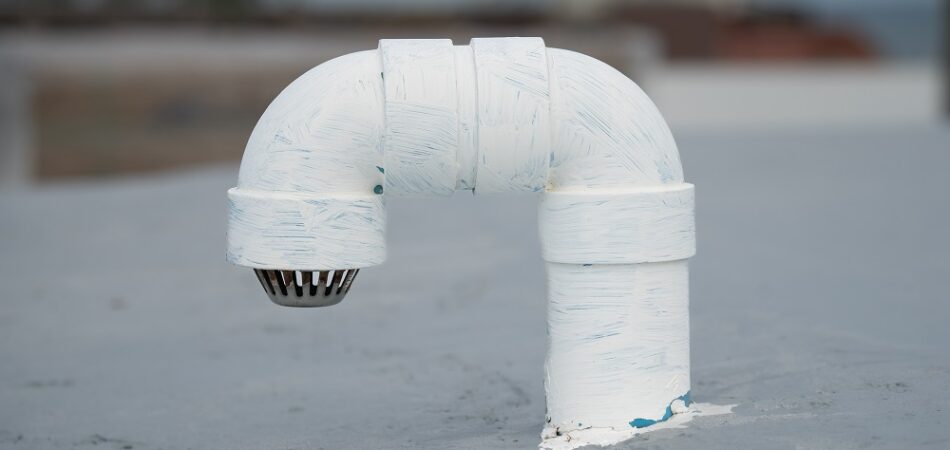
Vent pipes connect your plumbing fixtures, such as your toilet, sink, and tub, to vertical stacks that lead to the exterior of your home, typically through the roof. Their job is to regulate pressure inside the plumbing system and provide a path for gases to exit safely.
When water flows down a drain, it pushes air through the pipe. If there’s nowhere for that air to go, pressure builds. This can create suction that pulls water out of the trap beneath your fixture. When the trap dries out, sewer gases may enter your living space.
Vent pipes allow air to enter the plumbing system. This balances pressure, helps water flow more easily, and maintains water seals in your drains.
A bathroom without working venting doesn’t just have slow drainage or bad smells. Poor venting can affect plumbing performance, increase wear on pipes, and allow gases to enter indoor spaces.
Vent pipes help avoid the following problems:
 When air cannot move freely, water drains more slowly. Fixtures may make bubbling noises or struggle to empty.
Traps that dry out due to pressure imbalance no longer block gases from the drain line. These odors can impact indoor air quality and comfort.
Without adequate airflow, drainage slows, especially when multiple fixtures are used at once. Water may back up in sinks, tubs, or toilets.
Excess pressure in pipes can place stress on seals, joints, and fittings, increasing the risk of leaks or long-term damage.
A venting system supports normal plumbing operation by allowing air in and letting gases out. When designed and installed correctly, it keeps water flowing and odors contained.
A standard setup includes:
Together, these components help maintain air pressure and protect your home’s plumbing from unnecessary wear.
Many issues caused by venting problems can look like typical clogs or drain malfunctions.
Watch for the following:
If any of these problems show up, the venting system may need attention.
Even though vent pipes are hidden, they influence how well your plumbing works. When problems go unnoticed, they can lead to expensive or inconvenient repairs.
 Vent pipes can become blocked by leaves, bird nests, debris, or snow. These blockages restrict airflow and lead to poor drainage. Seasonal maintenance helps reduce this risk.
Improper pipe sizing, poor angles, or skipped vent connections can reduce airflow. These issues may be found in older homes or after DIY renovations.
Over time, vent pipes may crack or corrode, especially if made from older materials. Plastic pipes may also shift or degrade with age. Damaged pipes interfere with airflow and may allow gases to escape indoors.
When too many fixtures rely on one vent, drainage can be affected during periods of high use. Water may drain slowly, make gurgling sounds, or pull from nearby traps.
Simple checks can help you catch issues early. You don’t need specialized tools to notice when something’s wrong.
Use these maintenance tips:
While surface blockages can be handled quickly, more serious problems may need professional equipment and repair.
Problems with vent pipes can affect your entire plumbing system. As pressure builds, it strains seals, slows drainage, and lets unpleasant smells indoors.
Repairing water damage or structural problems caused by plumbing failures can be expensive. Past insurance data shows that plumbing-related water damage has averaged over $10,000 per household claim. Regular maintenance lowers your risk and helps extend the life of your system.
Keeping vent pipes clear supports better airflow, more reliable drainage, and fewer disruptions in your bathroom’s performance.
A quick diagnostic visit can confirm whether the vent system is the issue and what it will take to fix it. Catching a vent problem early prevents the kind of hidden water and gas damage that turns into a major repair.
At Spartan Plumbing Inc., we know how to keep your system flowing the right way. If you’re dealing with slow drains, unusual smells, or noisy fixtures, don’t wait.
We provide thorough inspections, vent system repairs, and plumbing services that prevent repeat problems and improve system efficiency.
Call us now to schedule your service today and get the peace of mind that comes from a well-functioning bathroom.
A vent pipe is a vertical pipe that connects your drain system to the outdoors (usually through the roof), allowing air in so water drains properly and sewer gases exit safely.
Gurgling drains, slow drainage in multiple fixtures at once, and sewer odors near sinks or toilets are the most common signs of a blocked vent in Tacoma homes.
Look for a pipe (usually 3-4 inches in diameter) sticking up through your roof. Inside the home, it runs vertically through walls from the lowest drain to the roofline.
Yes. A blocked vent traps sewer gas inside the drain system and can siphon water from P-traps, removing the water seal that normally blocks odors from entering the room.
Washington state code (WAC 51-56) requires every fixture trap to be protected by a vent. Toilets, sinks, bathtubs, and showers all need vent connections.
An air admittance valve (AAV) is a mechanical device that lets air into the drain system without a roof penetration. WAC 51-56 permits them in limited situations, but they cannot replace your main vent stack.
Cost varies based on accessibility and pipe material. We provide flat-rate, written estimates before starting any work, so you know the exact cost upfront.
You can clear debris from the roof opening if you can safely access it. For blockages inside the pipe or damage that requires repair, a licensed plumber is needed.
 Book Now!