Emergency Plumbing in Tacoma & Pierce County 24/7 Human Support Free Second Opinion Quality Plumbing Services
Emergency Plumbing in Tacoma & Pierce County 24/7 Human Support Free Second Opinion Quality Plumbing Services
Emergency Plumbing in Tacoma & Pierce County 24/7 Human Support Free Second Opinion Quality Plumbing Services
Emergency Plumbing in Tacoma & Pierce County 24/7 Human Support Free Second Opinion Quality Plumbing Services

Text Us: 253-231-7015
Call Us: 253-231-7015
Silent leaks can cause serious damage if ignored. At Spartan Plumbing Inc., we know how quickly a small issue can turn into costly repairs. We provide both residential plumbing services and commercial plumbing services, helping homeowners and business owners stay ahead of hidden damage. Regular checks, early detection, and prompt action keep your plumbing system in good shape and help protect your home.
If you’re seeing possible signs or just want peace of mind, contact us today to schedule a full inspection. Acting early can save you from bigger repair costs later on.
Now, let’s go through how to recognize silent leaks, what steps you can take, and when it’s time to bring in a pro.
Silent leaks aren’t always obvious. Some signs are subtle, but knowing what to look for can help you catch the issue before it spreads.
 If your water habits haven’t changed but your bill keeps rising, something’s off. Even a small leak, such as a dripping faucet, can waste hundreds to thousands of gallons over time. According to the U.S. Environmental Protection Agency (EPA), a leak as small as one drip per second can waste more than 3,000 gallons a year.
Compare your current bill to your previous ones. Look for trends. A steady increase with no clear reason might mean water is escaping somewhere in your system.
You can also test your water meter. Turn off all fixtures, wait one to two hours, and check the reading again. If it’s moved, you likely have a leak.
Stains or damp patches on ceilings and walls often signal a leak behind the surface. You might notice blistered paint, warped flooring, or soft drywall.
In darker spaces like behind furniture or under sinks, use a flashlight or moisture meter to help spot less visible signs. Finding these early can stop the damage from spreading further.
A musty smell usually means moisture is present. Mold and mildew tend to grow in quiet, damp areas such as under cabinets, behind toilets, or around slow-dripping pipes.
Even if you can’t see water, the smell alone should get your attention. Mold isn’t just unpleasant. It can affect indoor air quality and your health. Follow your nose and check the corners and crevices around your plumbing.
If your water pressure suddenly changes, it might be due to a hidden leak. Low pressure can happen when water is leaking out before it reaches your faucet or shower.
If the drop only affects one area, it might be a localized clog. But if it’s happening in several places, it could point to a leak in your plumbing line. In older homes, pressure drops can also result from corroded pipes, so it’s worth investigating.
Some leaks are easy to test for with basic tools and a little time. You don’t need to be a plumber to do these checks.
This is a reliable method for detecting leaks. Turn off all sources of water, including faucets, the washing machine, dishwasher, irrigation, and any other fixtures.
Write down the water meter reading, then wait for an hour or two without using any water. If the number goes up, water is leaking somewhere in your system.
Keep an eye on your meter regularly to catch unexpected spikes in usage.
Toilets are common culprits for hidden leaks. To test yours, put a few drops of food coloring into the tank. Wait 10 to 15 minutes without flushing.
If the color appears in the bowl, you’ve got a leak between the tank and the bowl. This type of leak is usually caused by a worn flapper valve or damaged seal. Repeat the process for all toilets in your home. Even a slow toilet leak can waste several gallons each day.
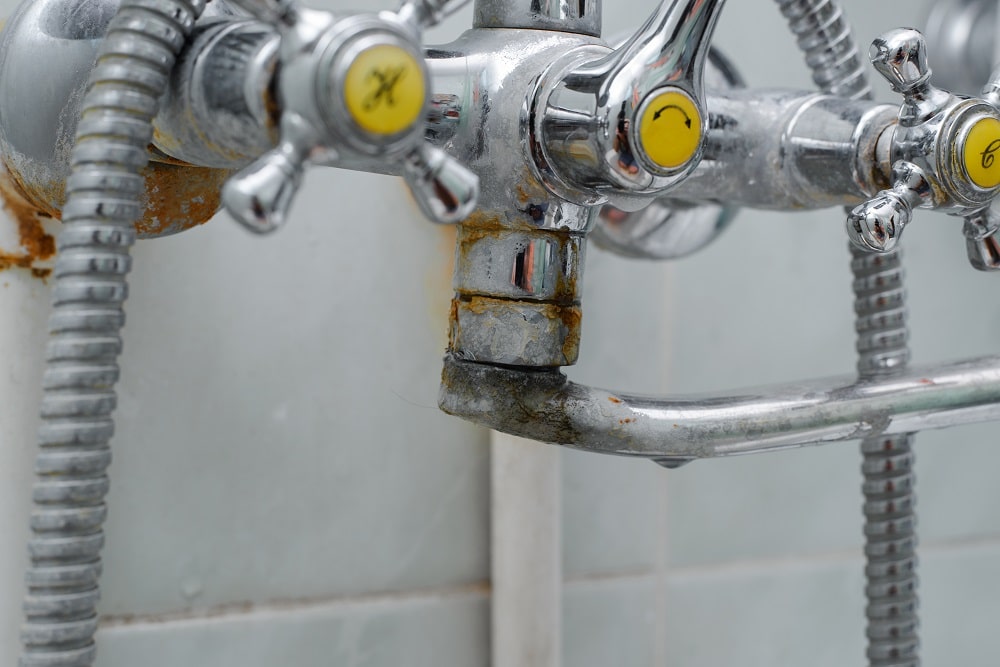 Go through your house and inspect visible plumbing fixtures. Look under sinks, around faucets, and behind appliances. Check for rust, water stains, corrosion, or dripping water.
If you find moisture around joints or valves, tighten the fittings or replace them. Fixing small leaks early helps prevent major damage down the road. Also, inspect connections to washing machines, water heaters, and dishwashers.
Tapping walls and listening for hollow sounds can help reveal internal water damage. Warped or sagging areas might also indicate a leak hiding beneath the surface.
Use a moisture meter to check suspicious areas. If you don’t have one, professional plumbers use thermal imaging and other tools to identify leaks without opening up walls.
Leaks outside can be just as damaging over time. Walk around your yard and look at hoses, outdoor spigots, and sprinkler systems.
Unusually green grass, wet patches, or standing water can point to a slow leak underground or at the hose bib. Leaks in irrigation systems can be especially wasteful and often go unnoticed unless you check regularly.
Not every leak can be spotted or fixed with a quick DIY solution. Some issues need a trained eye, especially when the damage isn’t easy to access.
If you’ve noticed water stains, mold, or strange smells but can’t find the origin, it’s time to call a professional. We use advanced equipment like infrared cameras and acoustic sensors to track down leaks without causing extra damage.
This allows us to pinpoint the source without tearing open walls or floors unnecessarily.
 Homes with older plumbing or complex layouts are harder to inspect on your own. Patching or opening the wrong spot can make things worse.
At Spartan Plumbing Inc., our licensed plumbers know how to handle these systems safely. We know where to look and how to resolve the issue quickly and correctly. Older homes may also have aging pipes or joints that need specialized repairs.
If a pipe bursts or water is flooding fast, shut off the main water valve immediately. Then call a plumber.
Fast action limits damage. The longer the water runs, the more expensive the repairs will be. Don’t wait. Emergency plumbing service can save thousands in restoration costs and protect your home from structural damage.
Silent leaks can cause serious damage if ignored. At Spartan Plumbing Inc., we know how quickly a small issue can turn into costly repairs. Regular checks, early detection, and prompt action keep your plumbing system in good shape and help protect your home.
Call us today to schedule a leak inspection. Whether you’ve noticed warning signs or just want to stay ahead of potential problems, we’ll find the issue and fix it before it gets worse.
 Book Now!