Emergency Plumbing in Tacoma & Pierce County 24/7 Live Answer Free Second Opinion Quality Plumbing Services
Emergency Plumbing in Tacoma & Pierce County 24/7 Live Answer Free Second Opinion Quality Plumbing Services
Emergency Plumbing in Tacoma & Pierce County 24/7 Live Answer Free Second Opinion Quality Plumbing Services
Emergency Plumbing in Tacoma & Pierce County 24/7 Live Answer Free Second Opinion Quality Plumbing Services

Text Us: 253-231-7015
Call Us: 253-231-7015

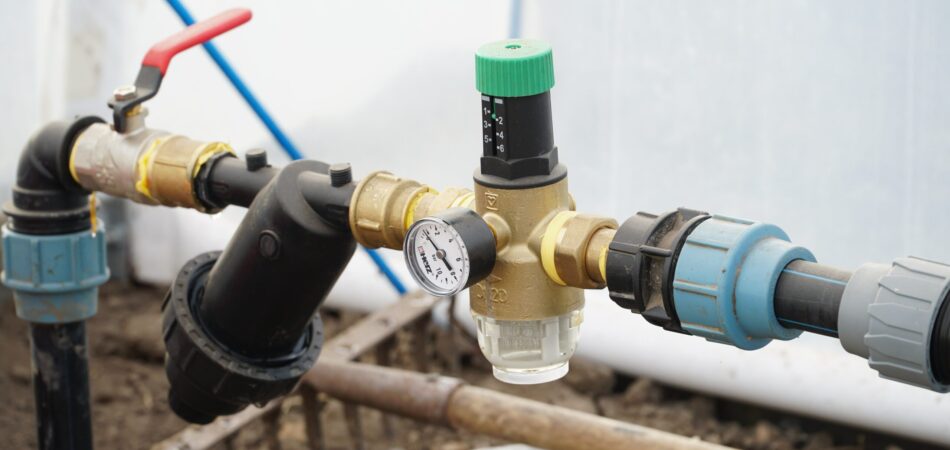
A water pressure regulator (also called a pressure reducing valve or PRV) controls the water pressure entering your home, keeping it within a safe 40-60 PSI range. In Tacoma and Pierce County, where Tacoma Public Utilities manages multiple pressure zones across varying elevations, many homes receive municipal water above 80 PSI, the threshold where Washington state code (WAC 51-56) requires a regulator. Spartan Plumbing Inc. (LIC #SPARTSI794OC) has installed and serviced pressure regulators across Pierce County since 1958.
Understanding how they work with Spartan Plumbing will help protect the safety and efficiency of your water system. Request a service today to make sure your water pressure is set correctly and to avoid plumbing problems in the future.
Water pressure regulators work by using a specific internal structure that regulates water flow to keep pressure steady. A spring-loaded pressure valve that is set to a certain tension, which can usually be changed, is at the heart of how they work.
The diaphragm and spring are forces that oppose each other. If the incoming pressure is greater than the predetermined setpoint, the diaphragm then moves to cover the valve seat, which decreases the flow. On the other hand, if the pressure is lowered, the spring will push the valve open, letting more flow through.
A water pressure regulator, or pressure reducing valve (PRV), regulates water entering a house to a safe and consistent level. Basic components include the valve body, diaphragm, and adjustment screw. Here’s a comparison:
| Component | Function |
|---|---|
| Valve Body | The house’s internal parts direct water flow while reducing pressure. |
| Diaphragm | Works with a spring to keep the water from flowing, which keeps the pressure where it should be. |
| Adjustment Screw | Lets you change the pressure settings by hand, making it fit your needs. |
The diaphragm and spring counteract incoming high pressure, limiting the water flow to a standard 50–80 psi, perfect for residential use. These key components work together to save plumbing and keep plumbing fixtures functional.
Different types of water pressure regulators work better in different plumbing situations because they each have their own benefits. The right type is chosen based on the water pressure that is needed, the environment, and the other parts of the plumbing system that are already in place.
Bell-style regulators have a simple design with a bonnet that looks like a bell. People are more familiar with them because they are used in home systems. These regulators are low-cost and do-it-yourself-friendly.
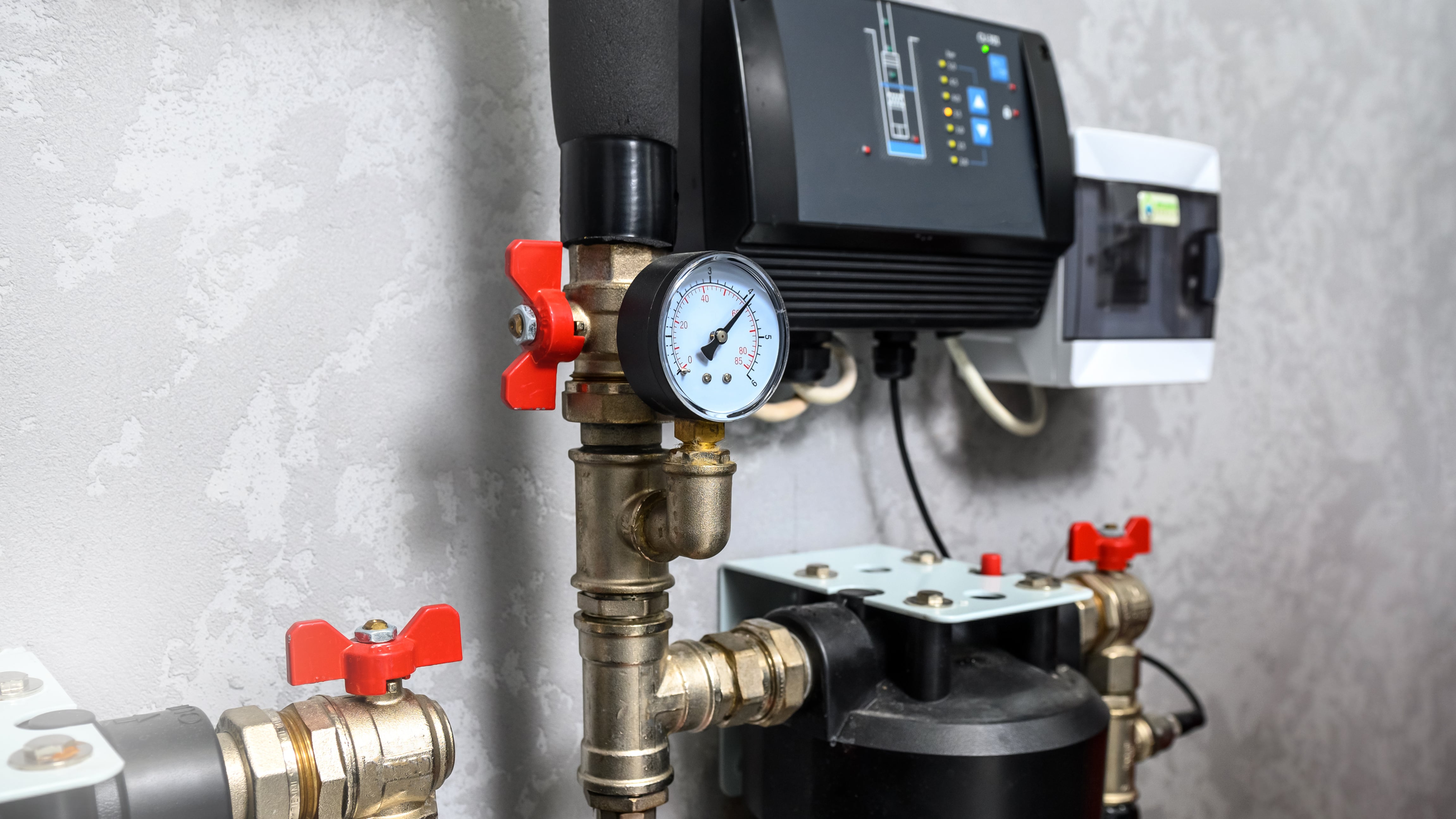 Globe-style regulators are shorter, which makes them a good choice for tight spaces. They are known for their precise pressure control and can be used in both homes and businesses. These regulators are heavy-duty and built to withstand wear for a long time.
Duo regulators seamlessly integrate two phases of pressure reduction. Their construction allows them to withstand extreme pressures of up to 1,000 psi. Unlike an in-line regulator, duo regulators perform best in areas with great discrepancies in the water pressure.
Adjustable regulators let you set the preferred pressure level, providing flexibility for homes with specific plumbing requirements. They are particularly useful in applications where water pressure changes often.
They are made to work in cold weather so that plumbing systems that are outside or open don’t freeze. They keep the water pressure stable in the winter, but they cost more and need to be installed by a professional. Their benefits are most useful in places with harsh winters.
Water pressure regulators do a lot of work in keeping the plumbing system of your home in top shape. Below, we outline the main benefits of using water pressure regulators.
High water pressure above 80 psi can wear out pipes, fittings, and fixtures. A regulator prevents pipe bursts and minimizes wear on plumbing components, ensuring durability.
Putting too much pressure on your water heater, dishwasher, and washing machine can cause them to break down too soon. A regulator releases pressure so the appliances work properly and reduces the risk of failure.
By preventing too much water from flowing through, water pressure regulators save a lot of water. Lowering the pressure by just 10–20 psi can save thousands of gallons a year.
Water hammer and vibrations from too much pressure can make your plumbing system very noisy. A regulator can resolve these problems and make the living space better and quieter.
Inconsistent or high pressure can cause joints to leak and cause structural water damage. Regulators keep a perfect 40–60 psi range. This keeps walls, floors, and ceilings from getting seriously damaged and protects the long-term value of the property by keeping repairs from costing a lot of money.
A pressure check takes minutes and gives you a clear answer. If your regulator needs replacement, the job is typically completed the same day. For [emergencies like a burst pipe from pressure failure](https://www.spartanplumbinginc.com/emergency-plumbing-tacoma/), we answer 24/7 with a live person, not a voicemail.
High water pressure is one of those problems that does its damage quietly, one stressed joint and one worn valve at a time. A working regulator is a small investment that protects everything downstream. Spartan Plumbing Inc. (LIC #SPARTSI794OC) has been helping Tacoma and Pierce County homeowners manage their water pressure since 1958. We offer flat-rate pricing, a 100% satisfaction guarantee, and fully stocked trucks for same-visit repairs. Call 253-260-3745 to schedule a pressure check.
A pressure regulator (or pressure reducing valve) is a valve on your main water line that reduces incoming municipal pressure to a safe level for your home’s plumbing, typically 50-60 PSI.
Test your static pressure with a gauge on any hose bib. If it reads above 80 PSI, Washington state code (WAC 51-56) requires one. Many Tacoma homes in lower-elevation zones exceed this threshold.
It is typically on the main water line just after the shutoff valve, near where the water enters your home. Look for a bell-shaped brass or bronze valve in the basement, crawl space, or utility area.
Most regulators last 10 to 15 years. After that, the diaphragm and spring weaken and the valve may allow higher pressure through gradually.
Yes. Pressure above 80 PSI causes pinhole leaks in pipes, premature appliance failure, running toilets, dripping faucets, and excess water consumption.
The cost depends on regulator type, location, and accessibility. We provide flat-rate, written estimates before starting work.
Most plumbers recommend 50-60 PSI for residential homes. This provides good flow for showers and appliances without stressing pipes or fittings.
Not all, but many do. Homes in higher-pressure zones (especially at lower elevations) often receive water above 80 PSI and require one by code.
 Book Now!