Emergency Plumbing in Tacoma & Pierce County 24/7 Live Answer Free Second Opinion Quality Plumbing Services
Emergency Plumbing in Tacoma & Pierce County 24/7 Live Answer Free Second Opinion Quality Plumbing Services
Emergency Plumbing in Tacoma & Pierce County 24/7 Live Answer Free Second Opinion Quality Plumbing Services
Emergency Plumbing in Tacoma & Pierce County 24/7 Live Answer Free Second Opinion Quality Plumbing Services

Text Us: 253-231-7015
Call Us: 253-231-7015
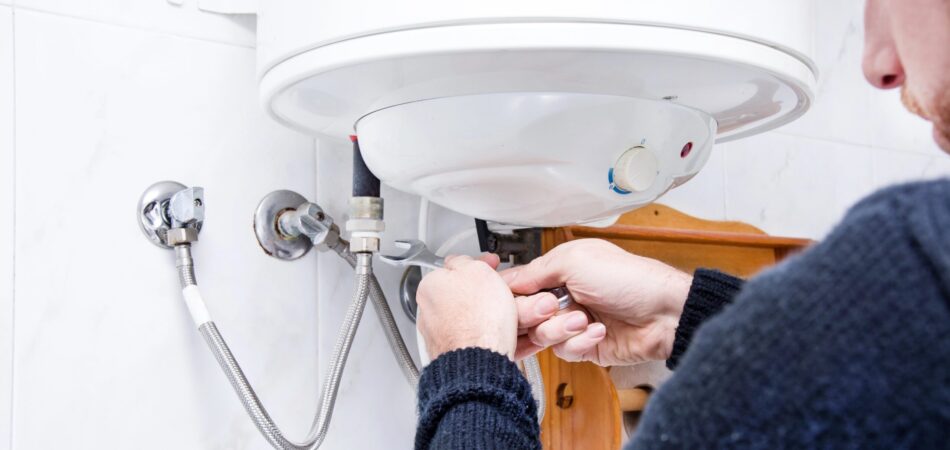
If your Tacoma home’s water heater is over 10 years old, it is likely running inefficiently and costing you extra money through high energy bills, increased repair costs, or imminent failure. Due to hard water and constant use, Tacoma units often suffer from sediment buildup, which acts as a barrier, forcing the heating element to work longer and consume more energy.
Your water heater works hard every day in a Tacoma home. Between hot showers, laundry, and dishwashing, water heating accounts for roughly 18 percent of the average household energy bill. When the unit starts losing efficiency, that share climbs without making any obvious noise, and most homeowners do not notice until the next utility statement arrives.
Pierce County’s housing stock is older than most of the appliances inside it. The median home in Tacoma is around 66 years old, and roughly one in four was built before 1940. That kind of construction commonly means older venting, outdated plumbing layouts, and a tank that has outlived its useful life by several years before anyone thinks to replace it.
At Spartan Plumbing Inc., we have served Tacoma and Pierce County since 1958. If your water heater is making strange noises, leaving cold showers behind, or driving your bill up for no clear reason, this guide walks through the warning signs and what to do about each one.
Need a closer look before you keep reading? Contact us today for a flat-rate water heater inspection.
Most water heaters fail quietly. The unit keeps producing some hot water, so it looks fine, but it pulls more energy each month to deliver the same gallons. The patterns below are the ones we see most often in older Tacoma homes, especially in neighborhoods like the North End, Proctor District, and South Tacoma, where many homes still run on a tank installed during a kitchen or bath remodel a decade or two ago.
A water heater losing efficiency rarely announces itself. The bill creeps up a few dollars at a time as the heating element runs longer to hit temperature. Tanks past the 10-year mark are commonly the source. If your January and July bills both keep climbing while your habits stay the same, the heater is the first place we look. A pattern of small monthly increases is more telling than one big jump, since gradual sediment buildup and element wear tend to show up that way.

If a hot shower fades to lukewarm before the soap rinses, the heating element or thermostat is struggling. Sediment at the base of the tank insulates the burner or element from the water above it, so the system has to run longer for less heat. The energy goes into the sediment rather than into the water you actually use. A failing dip tube, which feeds cold water to the bottom of the tank for reheating, produces the same symptom and often shows up around year 6 to 8.
That low rumble or popping noise is the sound of trapped water boiling under a layer of mineral scale. The Pacific Northwest delivers relatively soft water by national standards, but minerals still accumulate over a decade of use, especially in homes pulling from older galvanized supply lines. Once you hear it, the tank is already working harder than it should, and the burner is firing more often to compensate.
Brown or reddish water from the hot tap usually means the steel tank is corroding from the inside. A puddle under the unit or moisture at the base is a slow leak, and it does not get better. Both are end-of-life signs, and replacing the tank in a planned visit usually saves more than another year of repair calls plus the eventual water damage to flooring and drywall.
Three variables decide how much a water heater costs you per year: how old it is, what type of system you have, and how it is matched to your household. In Tacoma, where about 26.9 percent of homes were built before 1940, the tank is commonly oversized for the household and underpowered for the way the home uses hot water now. The table below shows where each factor cuts into your bill.
| Factor | What It Affects | What Helps |
|---|---|---|
| Age of the unit (8 to 12 year typical lifespan) | Standby heat loss, recovery time, and burner efficiency. Past year 10, performance drops sharply. | Replace with a current Energy Star tank, or upgrade to a tankless or heat pump system. |
| Water heater type (tank, tankless, or heat pump) | Tank units keep 40 to 50 gallons hot all day. Tankless units heat on demand. Heat pump units pull warmth from surrounding air. | A heat pump water heater uses far less energy than a standard electric tank, especially in milder Pacific Northwest garages. |
| Tank size vs. household demand | An oversized tank wastes energy heating water you do not use. An undersized tank runs nonstop during peak demand. | Match gallon capacity to the number of bathrooms and your household’s morning routine, not to whatever was there before. |
Some efficiency fixes need a new appliance. Others cost a weekend afternoon and pay for themselves inside a year. Run through this list before assuming you need a full replacement:
Households running a 12-year-old tank in a Hilltop bungalow or a Stadium District craftsman often see the biggest gain from replacing the unit entirely. We walk through the water heater service in Tacoma options that match the home and the household, then quote a flat rate before any work starts.

A healthy water heater does not need a service call every year. A struggling one usually does. Schedule an inspection when any of the following lines up with what you are seeing:
Licensed plumbers in Washington work under WAC 51-56 and the state’s adopted plumbing code. We pull permits where they are required and document every replacement so the work passes inspection the first time, which matters when you sell the home or refinance.
A noisy tank, a lukewarm shower, or a quietly rising utility bill rarely fixes itself. The longer an inefficient water heater runs, the more it costs in energy now and in the eventual emergency replacement call later. Acting on the warning signs early gives you time to choose the right system instead of replacing whatever is failing on a Saturday night with whatever the supply house has on the truck.
Here at Spartan Plumbing Inc. (LIC #SPARTSI794OC), we have served Tacoma and Pierce County since 1958, with flat-rate pricing, a written estimate before any work begins, and a 100 percent satisfaction guarantee on every install. Call us at 253-231-7015 to book a water heater inspection, and we will tell you straight whether it is time to repair, tune up, or replace.
Most conventional tank water heaters last 8 to 12 years in Tacoma’s climate. Tankless units commonly run 15 to 20 years, and heat pump models fall in the same long-life category when sized and installed correctly.
The U.S. Department of Energy recommends 120 degrees Fahrenheit for most households. That setting balances scald safety, energy efficiency, and bacteria prevention in stored water.
For most households, yes, over the long run. Tankless units cost more upfront but cut standby heat loss to zero and typically last 6 to 8 years longer than a conventional tank, which usually offsets the higher install cost.
Those sounds usually mean sediment is sitting on the bottom of the tank and trapping water against the burner. A flush often clears it. If the unit is past 10 years old, a flush is a temporary fix and replacement is usually the cleaner answer.
Washington state code (WAC 51-56) requires permits and inspection for most water heater work, and gas units require a licensed plumber. DIY installs commonly fail inspection and void the manufacturer warranty, which matters when the unit fails a few years in.
Sizing depends on the number of bathrooms, household size, and peak demand patterns, not the gallon number that was there before. A 40-gallon tank fits most two-bathroom Tacoma homes, while 50 to 80 gallons suit larger households or homes with high-demand fixtures.
Yes, especially on tanks older than five years installed in unheated garages or basements common in older Tacoma homes. An insulating blanket plus pipe wrap on the first six feet of hot water line reduces standby heat loss noticeably and pays for itself inside a year.
Replace when the tank is leaking, when the unit is past its expected lifespan, or when a single repair costs more than half the price of a new install. Anything earlier than that, repair is usually the smarter call.
 Book Now!