Emergency Plumbing in Tacoma & Pierce County 24/7 Live Answer Free Second Opinion Quality Plumbing Services
Emergency Plumbing in Tacoma & Pierce County 24/7 Live Answer Free Second Opinion Quality Plumbing Services
Emergency Plumbing in Tacoma & Pierce County 24/7 Live Answer Free Second Opinion Quality Plumbing Services
Emergency Plumbing in Tacoma & Pierce County 24/7 Live Answer Free Second Opinion Quality Plumbing Services

Text Us: 253-231-7015
Call Us: 253-231-7015

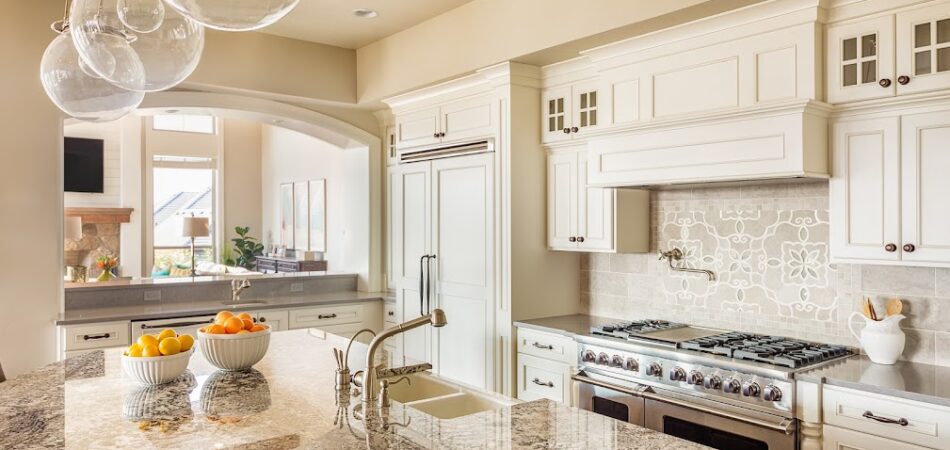
Plan your kitchen plumbing remodel early by reviewing existing pipes and keeping fixtures in place to reduce costs. Choose durable, water-efficient materials; ensure proper drainage and ventilation; plan for new appliances; and hire a licensed plumber to handle permits, codes, and complex plumbing work.
The kitchen is one of the most critical rooms in the house for many people. Thus, a kitchen remodel or renovation requires careful planning. You can minimize your renovation budget without compromising on quality if you plan well.
Below are some tips to help you renovate your kitchen and its plumbing system.
First, draw up a plan and have an exact layout of your new kitchen before the work begins. Determine whether you want to keep the existing layout or shake things up. Changing things halfway through the renovation might be difficult.
Specifically, you should know the location of:
Know where the major things will go, even if you can’t come up with a definite plan. The kitchen sink, in particular, will affect other kitchen installations, such as cabinets and countertops. That is why many plumbers advise their clients to choose the sink first.
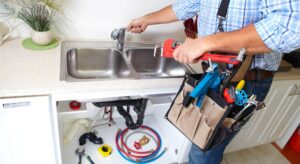 Maintain the major plumbing layout, specifically the piping system, if you have a limited budget. Rerouting the drainage, water, and electrical lines will take a significant chunk out of your budget. If you keep the major installations (such as the kitchen sink) in the same position to maintain the piping, you’ll save money.
Of course, your overall renovation goal affects whether you should maintain the original layout. For example, you might have to reroute most of the lines if you plan to expand your kitchen’s square footage.
In older Tacoma kitchens in neighborhoods like the North End and Stadium District, this calculus gets more complicated. Original galvanized supply lines that have been quietly corroding for decades may not be worth keeping even when the layout works, because the pipe itself is at the end of its useful life and a remodel is the cheapest window to swap it out before drywall closes back up.
You don’t have to replace everything just because you want to renovate your kitchen. Evaluate the plumbing system to determine what you need to replace and what you can keep. People renovate their plumbing systems for different reasons.
Maybe you want:
Evaluate your reason for renovation and change only the things that help you achieve your goals. For example, you don’t have to change hidden water lines if you just want to improve your kitchen’s aesthetics. This evaluation will help you budget for the renovation.
A simple decision framework helps homeowners avoid both over- and under-investing in the plumbing scope:
A kitchen-only camera inspection or pressure test takes a couple of hours and gives you the data you need to make these calls without guessing.
Ensure you incorporate the latest plumbing codes in your renovation, especially if your kitchen is relatively old. Plumbing codes change over the years, and a relatively old house is likely to be out of code.
Kitchen plumbing codes regulate things like:
Again, you should know these things from the beginning to help you with planning and budgeting. Your plumber or local building department can help.
In Washington, residential plumbing work follows WAC 51-56, which sets the rules for P-trap configuration, vent sizing, and approved pipe materials. In Pierce County, the local building department issues the permits and the final inspection, and your plumber’s familiarity with the current code revisions is part of why most kitchen remodels go through a licensed plumber instead of a DIY path.
A plumbing remodel does not always require the replacement of existing things. You might want to add installations or appliances that you don’t have but that can improve your kitchen.
Common additions worth planning for during a remodel:
With the right additions, you may end up with a completely new kitchen that meets all your needs.
Lastly, use your renovation opportunity to install water- and energy-efficient appliances.
For example, consider:
Newer appliances tend to be more efficient than older ones in most cases. Efficient appliances and fixtures will help you save a considerable amount of money in the long term.
The plumbing phase often catches homeowners off-guard on budget because it has multiple cost components that bill separately. Plan for these line items before you sign off on the overall renovation number:
Asking for a flat-rate written estimate before work starts protects you from open-ended hourly billing on a project where the unknowns can stack up quickly.
At Spartan Plumbing Inc. (LIC #SPARTSI794OC), we have helped Tacoma and Pierce County homeowners plan kitchen remodels and full residential plumbing updates since 1958. From sink-placement decisions and code compliance to walking through what’s worth keeping versus replacing, our licensed team can put your plan on paper with a flat-rate written estimate before any work begins. Call or text 253-231-7015 to walk through your remodel before demolition starts.
How early should I start planning the plumbing phase of a kitchen remodel?
Start at least 4 to 6 weeks before demolition. That window gives you time to choose fixtures (which have lead times), schedule the plumber, pull permits, and run any pre-demo inspections. Rushing the plumbing planning is one of the most common reasons kitchen remodels run over budget.
Do I need separate quotes for the plumber and the general contractor?
Yes. Most general contractors subcontract plumbing work, so the plumber’s quote is a line item in the GC’s overall bid. Asking for both the GC quote and the plumber’s separate quote gives you visibility into the markup and the actual cost of the plumbing scope.
What is a typical plumbing budget for a kitchen remodel?
For most kitchen remodels, plan for plumbing to be 8 to 15% of the total project budget, depending on how much rerouting and how many fixture additions are involved. A simple like-for-like remodel sits at the low end, while a full layout change with new appliances pushes toward the high end.
Can I save money by buying my own kitchen fixtures?
Sometimes, but check with your plumber first. Many plumbers won’t warranty fixtures you supplied yourself, and any defects become your problem to track down. Pros also get trade discounts that can offset their markup, so the math doesn’t always favor DIY purchasing.
What questions should I ask before hiring a plumber for a kitchen remodel?
Ask whether they pull permits, what their flat-rate versus hourly billing approach is, whether they warranty their work in writing, how they handle changes mid-job, and whether they coordinate scheduling directly with your general contractor. Their answers tell you whether they have done kitchen remodels before or just patched leaks.
How do I check if my current kitchen plumbing meets code?
A licensed plumber can do a pre-remodel code review for a small fee, usually under $200. Common code-fail points in older Tacoma kitchens include a missing P-trap on the sink, undersized vents, no air gap on the dishwasher line, and supply lines without quarter-turn shutoffs. Catching these before demolition lets you bake the fixes into the main project budget.
 Book Now!